Best Tiger Safaris in India for Wildlife Photography
Guest post
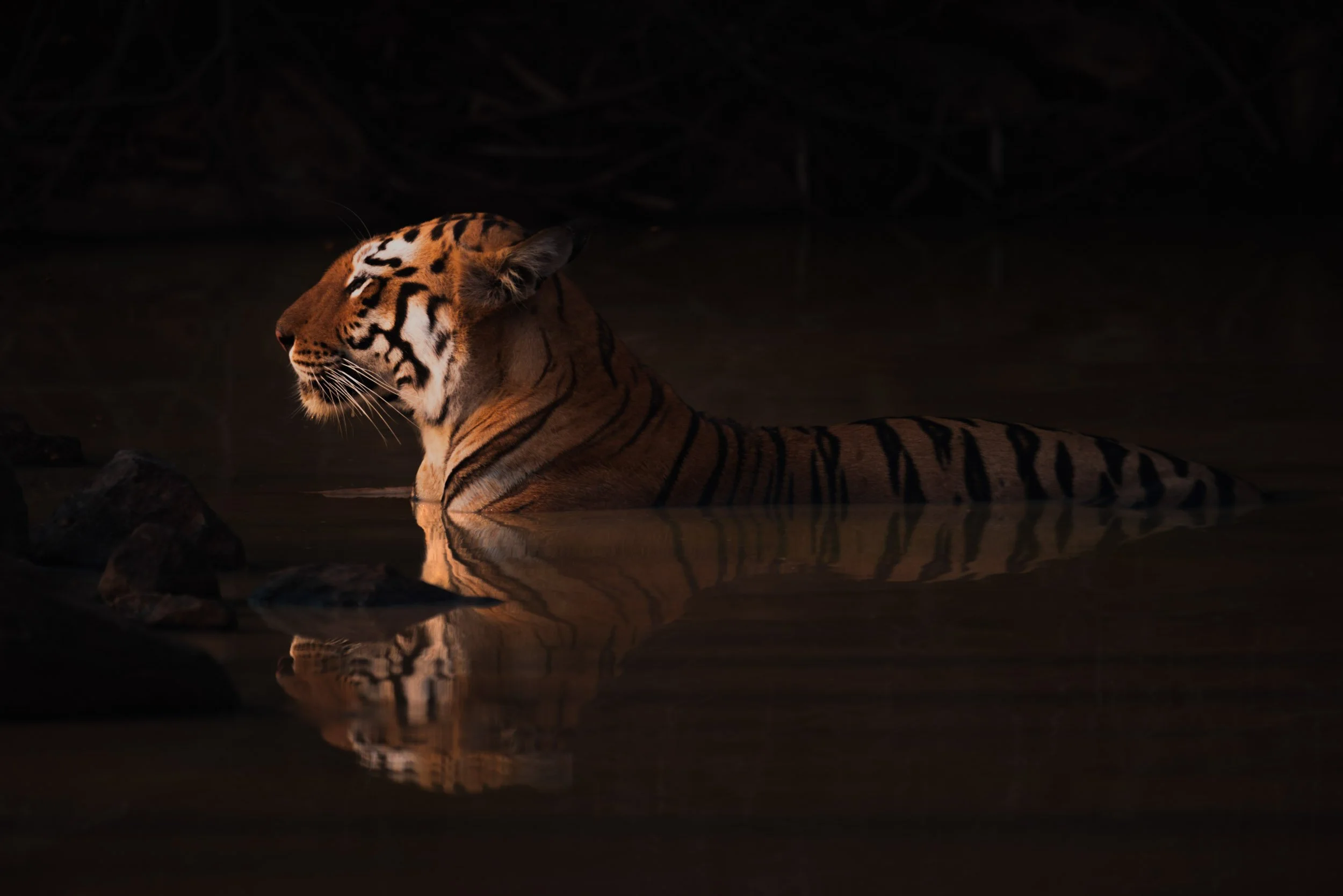
Being out in the wilderness isn’t just about exploring nature but being one with it. India offers a range of immersive wildlife experiences where you get to know a lot about the animals, birds and the local plant life. However, nothing excites like tiger safaris, where you get the opportunity to head into the jungle and spot these big cats in their natural setting.
If you are into wildlife photography, India can offer you a range of tiger reserves and national parks where you get the opportunity to capture this majestic cat as it emerges into the open, drinks at the waterhole or walks across some ruined heritage structure.
Also, these reserves support other animals like leopards, elephants, sloth bears, crocodiles and hundreds of bird species, which offer excellent photography opportunities. On top of this, the varied landscapes of India, from dry deciduous forests, grasslands and mangroves, provide you with a variety of backgrounds to work with.
Naturetrek offers tailor-made wildlife holidays and tiger safaris that provide a once-in-a-lifetime opportunity to see the magnificent big cat in its natural environment. In this post, we focus on destinations where you not only get the opportunity to spot a tiger in its natural setting but also capture amazing wildlife shots.
Ranthambore National Park, Rajasthan
If you are interested in tiger safaris in India, Ranthambore National Park remains one of the iconic destinations that you shouldn’t miss. This is where you can capture some really great shots of the Bengal Tiger in the wild.
This is also because of the fact that the tigers here are well habituated to safari vehicles and offer enough time for wildlife photographers to capture their shots. Also, the combination of dry deciduous forest, open grassland and lakes makes it easier to spot tigers in the wild.
For wildlife photographers, it also provides ample visual variety. Photographers can capture the tiger drinking, swimming, against a ruined heritage structure and in green forest. Choosing early morning and late afternoon safaris provides beautiful warm directional light, which adds to the overall photo quality.
Apart from the tiger, photographers can also capture leopards, Sambar deer, Chital deer, Nilgai and sloth bears in the wilderness. With the right safari tips for Ranthambore, you can make the most of your tiger safari experiences while you are here.
Bandhavgarh National Park, Madhya Pradesh
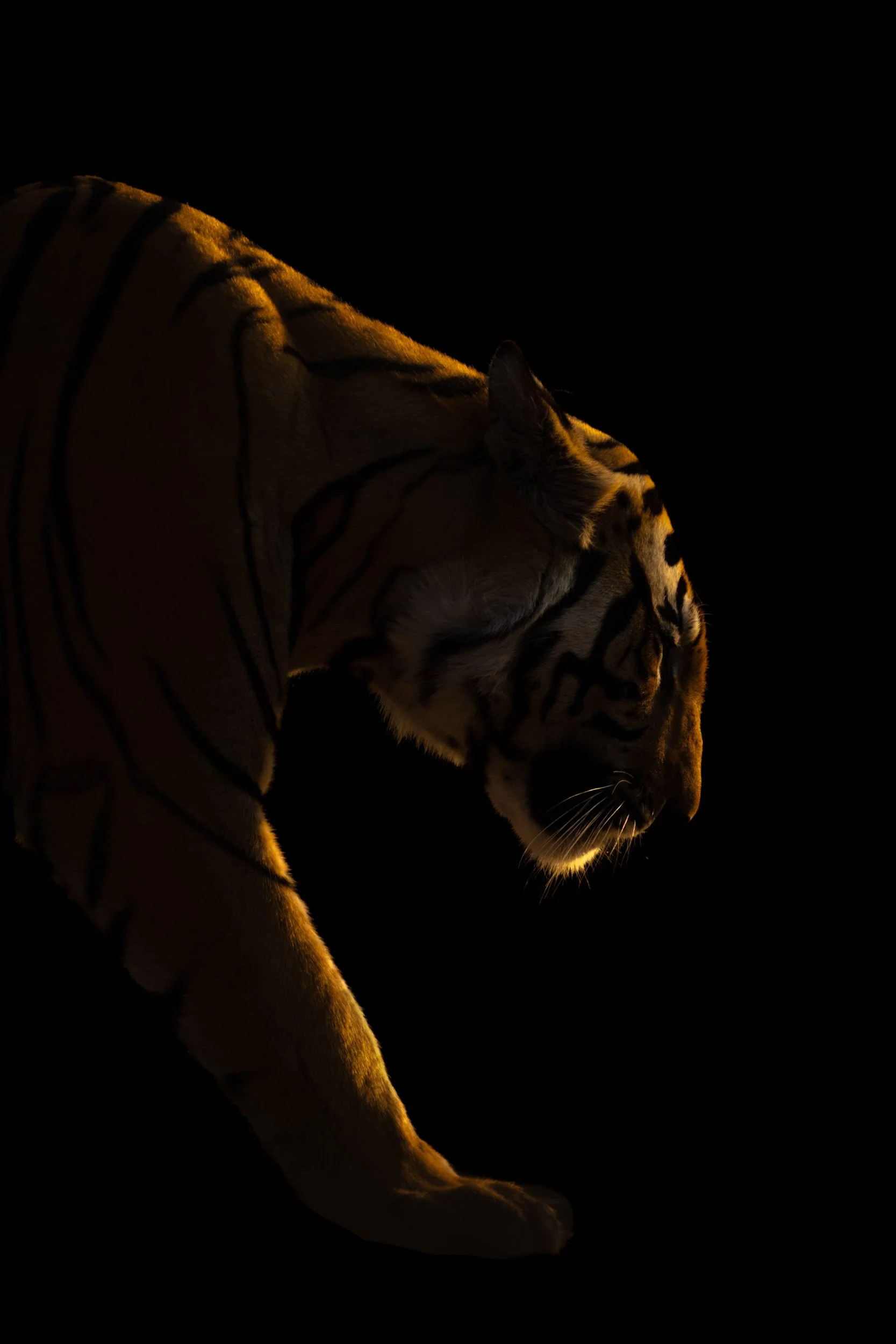
While Ranthambore is about capturing the tiger in the landscape, Bandhavgarh is all about going deeper into the tiger territory. This national park is essentially for those who are serious about tiger encounters and some stunning shots of the majestic cat in the wilderness.
The core area is relatively compact, and this makes it rewarding for travellers and photographers focused on tigers. Unlike Ranthambore, the landscape here consists of open meadows, dense sal forests and rocky hills. Also, the imposing Bandhavgarh Fort, steeped in history, becomes a part of the environment.
The rocky terrain and open meadows provide ample opportunities for photographers to capture the animal in its natural settings. Morning safaris can make things even better, with softer light making the images better.
This is also the time when tigers are on the move and therefore provide better opportunities to capture shots. Apart from tigers, Bandhavgarh National Park is also home to leopards, sloth bears, langurs, gaurs, sambars, and a variety of bird species.
Kanha National Park, Madhya Pradesh
While you are exploring Madhya Pradesh, Kanha National Park is another destination where you can make the most of tiger safaris in India. This is one of India’s most celebrated tiger reserves, offering you a strong combination of tiger sightings, diverse habitats and scenic landscapes.
However, what differentiates Kanha from Bandhavgarh is its well-rounded wildlife experience rather than keeping the trip tiger-specific. The national park offers a range of landscapes like dense sal forests, open meadows and grasslands, which provide a great opportunity to capture animals in different natural settings.
While the forest area offers a great background for atmospheric images, open meadows make it easier for beginner photographers to capture big cats in clear open view. Apart from tigers, Barasingha, leopards, sloth bears, gaur, Sambar deer, chitals, wild boars, langurs and Indian wild dogs share the territory.
Tadoba-Andhari Tiger Reserve, Maharashtra
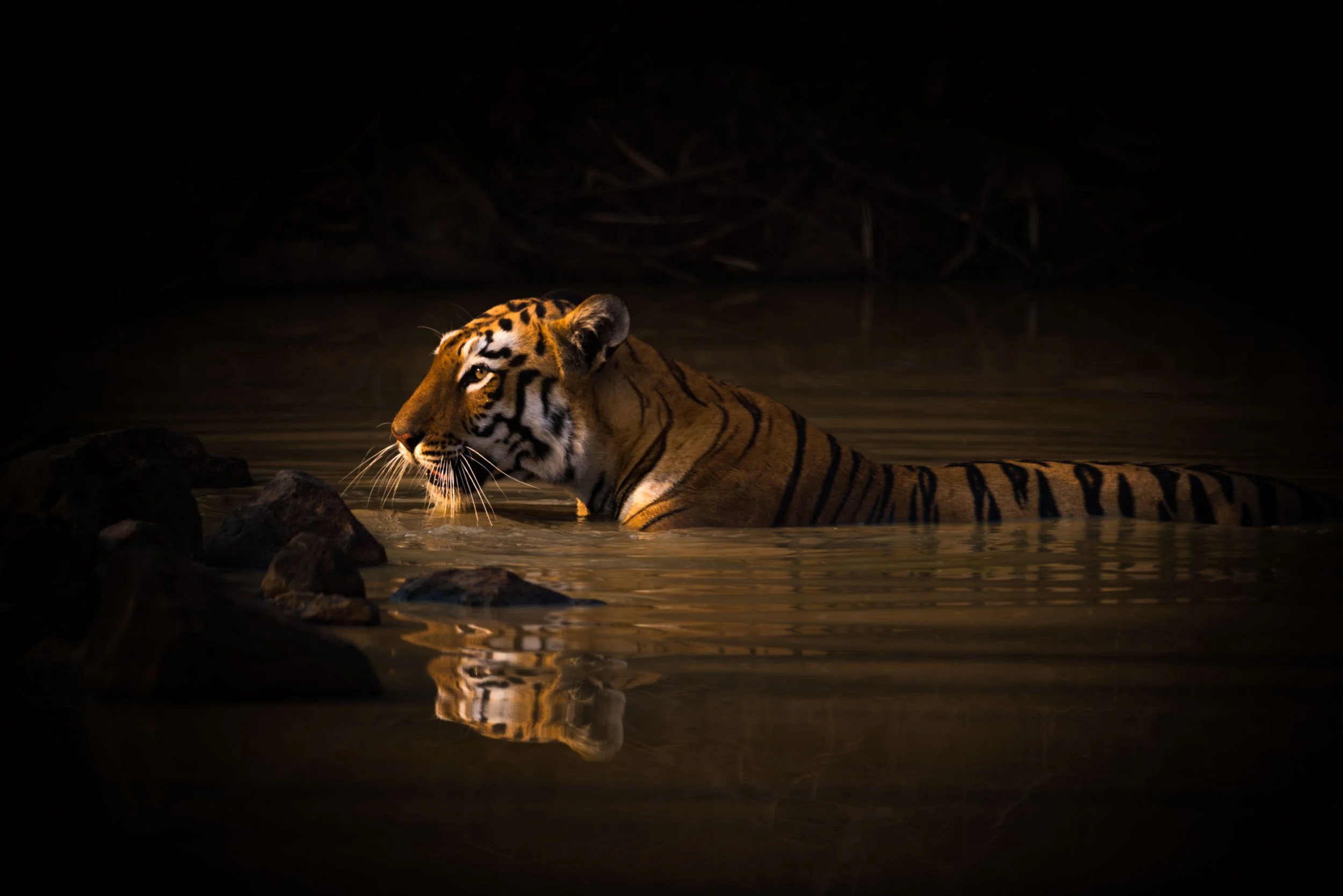
If you are keen on some Bengal tiger sightings in Maharashtra, Tadoba-Andhari Tiger Reserve is the best place to be. This is an excellent choice for wildlife photographers who prefer to capture tigers near waterholes.
The tiger reserve offers plenty of water sources and open areas, making it easier to spot them in their natural settings. The area offers dry deciduous forests, open meadows, bamboo thickets and grasslands, offering variety to photographers.
This is also a great place for bird photography, and therefore visitors can spot plenty of raptors, owls, kingfishers and various woodland species. The big cats are spotted near Tadoba Lake, and the dry season is a great time when you can spot the tigers and other animals in action.
Wildlife photographers can use natural landscapes like bamboo and teak vegetation as a part of the image. With plenty of villages around, this also turns into an experience where you can learn more about the life of the people living around the reserve.
Jim Corbett National Park, Uttarakhand
If you are heading up north, Jim Corbett National Park seems like a unanimous choice, being one of the oldest and most iconic national parks in India. There is no doubt that the Bengal tiger is the star attraction here, but visitors can also spot elephants, leopards, deer and a variety of birdlife.
The park offers a range of landscapes like dense sal forests, grasslands, riverbeds, hills and even wetlands. The park is located at the foothills of the Himalayas, giving this safari experience a unique character compared to the rest of the Indian parks.
With plenty of landscapes available, wildlife photographers can really make their pictures stand out as they capture these big cats against various backdrops. Riverbeds and water sources are ideal for spotting them and capturing them drinking water or just lying around.
Corbett is also known for its rich birdlife, and this is where wildlife photographers get the benefit of capturing some kingfishers, hornbills, owls, vultures, woodpeckers and smaller forest species. With excellent natural Himalayan landscapes, Jim Corbett certainly offers a unique tiger safari experience in India.
Sundarbans National Park, West Bengal
If you are looking for something different from a regular jeep safari in India, you should pick Sundarbans National Park in West Bengal. This is one of the few places where Bengal tigers have adapted to a tidal mangrove environment.
However, apart from the landscape, the challenge here is that the tigers are more elusive than anywhere else. This means wildlife photographers have to be good at tracking, patient and fast at capturing shots they want.
What makes Sundarbans National Park a lovely setting is its remoteness. Safaris here are conducted by boat, and travellers have to explore through various creeks, channels and waterways to find their location. The dense mangrove forest, mudflats, riverbanks and channels become a perfect backdrop for tiger photography.
Apart from the Bengal Tigers, wildlife photographers can also click pictures of saltwater crocodiles, wild boars, smooth-coated otters and monitor lizards. This is also a great place for those looking for a variety of birdlife, like kingfishers, herons, egrets, raptors and storks.
Pench National Park, West Bengal
If taking photographs of tigers is your main objective, Pench National Park will offer you an absolutely unique experience. As a combination of open spaces and dense vegetation, the Pench forest is an ideal place for practising photographing your subject against different backgrounds rather than hoping for favourable positioning. An experienced Pench National Park guide will be invaluable for this type of experience. He can provide information regarding the habitat of tigers in this particular national park and how alarm calls of other animals can help you locate potential tiger presence.
You might spend many hours waiting inside the park and only see spotted deer, langurs, and birds. However, waiting is a normal part of this journey in the natural forest. When a tiger finally walks onto a path or appears between the trees, you must act very fast. You may only have a few seconds to adjust your shutter speed, camera focus, and picture framing before the tiger retreats into the deep forest.
For people who love taking photos, this sudden movement and unpredictability are the biggest reasons to go on a tiger safari in Pench. You must always stay alert because you never know when the moment will happen. Every second of waiting tests your patience, but the final result makes all the hours spent in the safari vehicle completely worth it for any wildlife photographer looking to improve their skills in a real natural jungle.
If you’d like to order a framed print of one of my wildlife photographs, please visit the Prints page.
If you’d like to book a lesson or order an online photography course, please visit my Lessons and Courses pages.