
Read my Blog!
Since 2013, I’ve published hundreds of blog posts on all aspects of photography. Some are aimed at helping photographers with camera gear, settings and technique while others describe my workshops, exhibitions and adventures in Africa, Antarctica and beyond.
Feel free to browse chronologically or click on the heading above any post for specific categories, such as Equipment, Trips or Hints and Tips.
If you’d like to write a guest post, I charge £50 + £10 per dofollow link. Please drop me a line on +44 7942 800921 or at nick@nickdalephotography.com.
(Please note that some posts contain affiliate links from which I can earn a small commission.)

Life on Safari: The Physical and Mental Demands of Wildlife Photography
Wildlife photography offers some of the most extraordinary experiences in the natural world. From observing elephants crossing open grasslands to capturing predators during an early morning hunt, photographers may witness moments that few people experience first-hand. Yet behind every remarkable image lies considerable preparation, patience, and physical effort.

Is That Wildlife Photo Real? How Photographers Can Spot AI-Generated Images
Every wildlife photographer knows the feeling. You spend three dawns in a hide, finally get the shot, post it, and within an hour someone asks whether it is AI. A few years ago, that question was an insult. Today it is a fair one. Image generators can produce a snow leopard on a ridge at golden hour in seconds, and photo competitions, stock libraries and editors are all dealing with the fallout.

Nine Best HDR Blending Solutions for Property Listings in 2026
The physical laws that govern the real estate photography industry are unforgiving. Full-frame cameras today capture around 14.7 stops of dynamic range. But the bright sun shining through a window in a living area may be more than 20 stops.
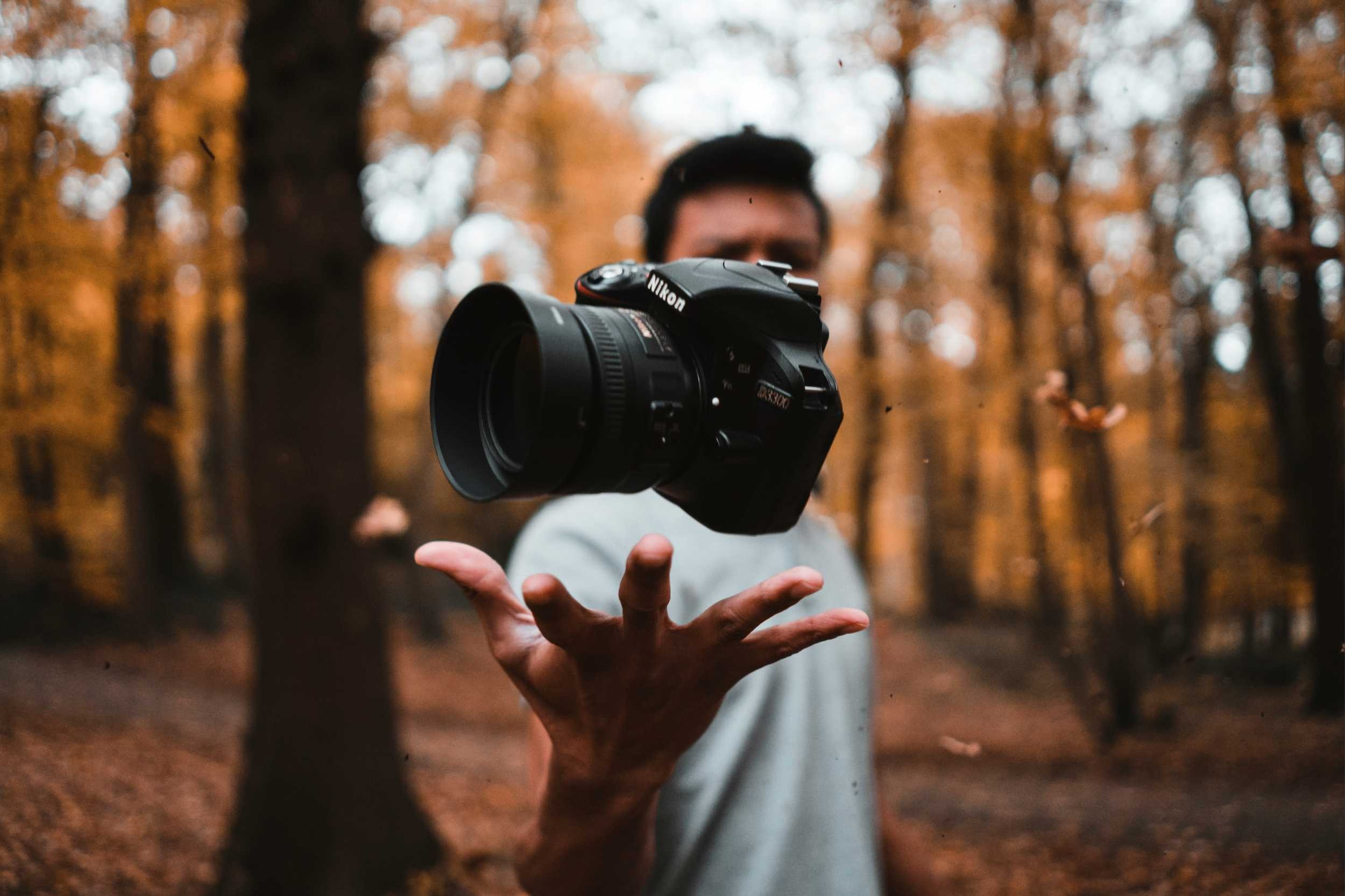
Train Your Photographer’s Eye at Home: Creative Photo Challenges
You don't need an expensive camera or an exciting location to improve your photography. Your home is full of potential subjects waiting to be noticed.
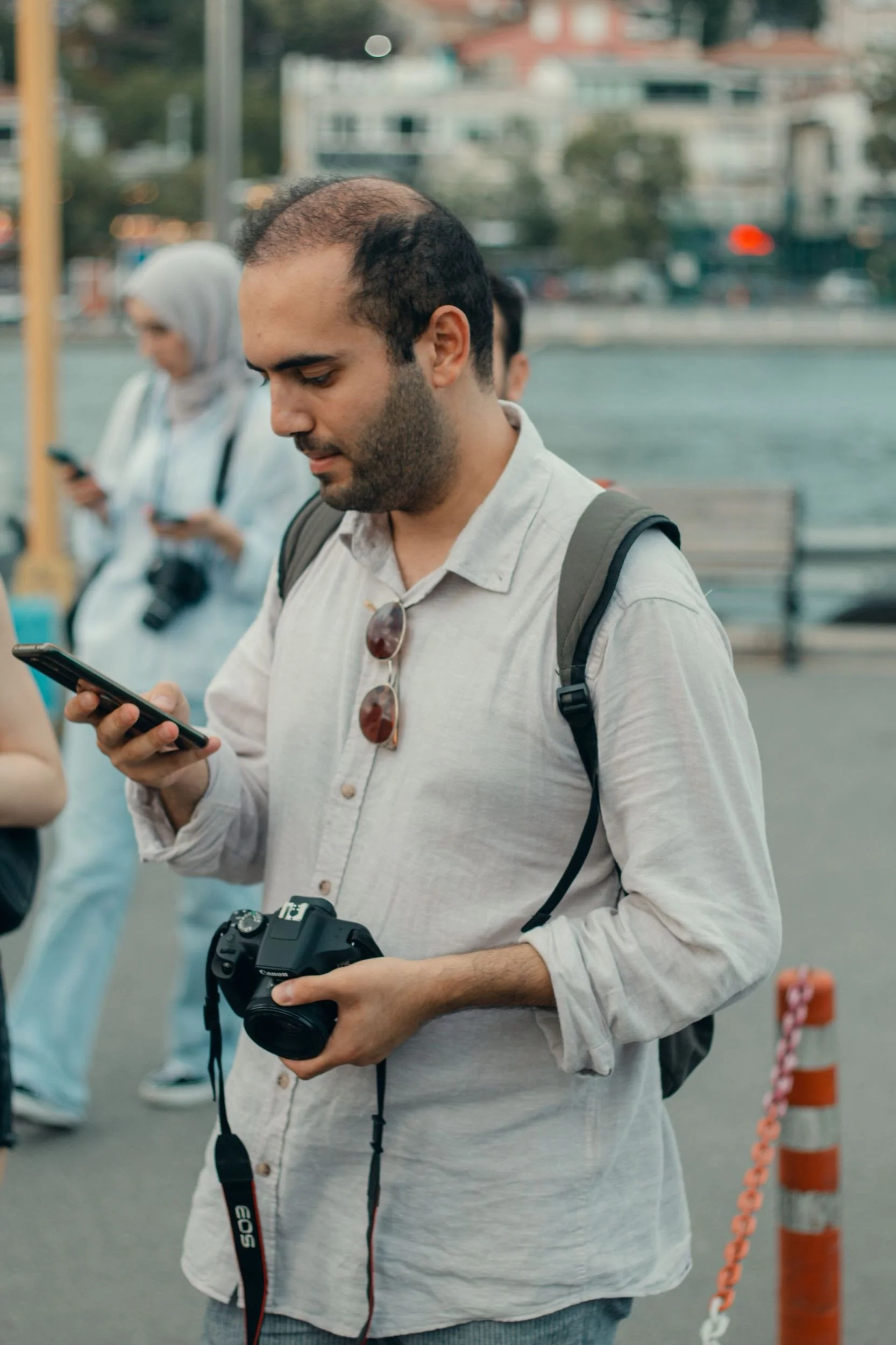
How to Back Up and Share Your Travel Photos on the Road
Every travel photographer has the same nightmare. You are a week into a trip, the best light of the journey is behind you, and the card holding all of it refuses to mount. Or a bag goes missing on a night train. Or a laptop disappears from a café table, taking the only copy of a week's work with it.

Photographing Lab Vials and Labels: Small, Shiny and Fussy About Temperature
Anyone who has tried to photograph a perfume bottle knows glass is a pain. Lab vials take that pain and shrink it to about four centimetres tall, then add a label full of tiny numbers that the client will read with a magnifying glass, and contents that really shouldn't be sitting under hot lights while you mess about with a reflector. Lovely!

The Anatomy of a Photo Essay: Elevating Single Frames
A photo essay functions just like a written narrative, requiring a clear beginning, middle, and end to convey a distinct message. Stacking twenty beautiful but disconnected pictures in a gallery does not automatically create a cohesive story. You must purposefully sequence images to guide the viewer’s emotional and intellectual reaction.

How to Teach Wildlife Photography
Being a wildlife photographer doesn’t pay much, so most of us have to turn our hands to any related activities that might pay the bills! One of those is teaching. There are many ways to teach wildlife photography, including blogs, books, talks, workshops, private lessons and safaris. Let’s have a look at each in turn, followed by a few hints and tips…

Choosing Stock Images That Actually Serve the Design
Most conversations about design focus on typography, layout, colour and visual hierarchy. Photography often receives less attention, treated as something to source once the main creative direction has been established. Yet the image behind a design does more than fill an empty space. It influences the mood, shapes the message and affects how people respond to the finished work.

Where to Photograph Birds in Asia: A Practical Guide for Wildlife Photographers
Ask most wildlife photographers where they dream of going, and you'll hear the same answers: the Masai Mara, the Pantanal, Antarctica. Asia rarely makes the list. That's a mistake, especially if you love birds.

How to Create a Professional Online Photography Portfolio that Makes an Impression
In photography, perspective is currency. Your photography portfolio gives potential clients a first impression of how you see the world and whether your work resonates with them.

How Photographers Should Pick an AI Upscaler for Client Files
Every AI upscaler promises to "enhance" a file. That word hides two opposite operations. One tool recovers detail the sensor actually recorded. Another invents detail that looks sharp on a thumbnail but was never in the frame. When the file belongs to a client, that difference decides whether you can deliver it.

Keeping Documentary Wildlife Photographs Separate from Creative Motion Studies
A wildlife photograph and a moving interpretation of that photograph serve different purposes. The photograph records a view captured by a camera. An animation presents editorial choices about movement and timing. Keeping those roles clear matters when the same source image appears in a portfolio, an article and a creative presentation.

How to Upscale Low-Resolution Wildlife Photos with AI
Every wildlife photographer has a shot like this one sitting somewhere on a hard drive: a leopard whose face fills maybe a fifth of the frame, because the cat never came closer than eighty metres, and by the time you've cropped in tight at the editing stage, what's left is a grainy sliver of the file you started with. The old fix was to accept the loss, or pay someone to rebuild the missing detail by hand, which took time nobody really had.

Why Fewer Locations Can Make a Stronger Highland Photography Portfolio
Most photographers, when going to the Scottish Highlands, naturally make themselves a long list of famous places to capture. That may include Glencoe at sunrise, Glenfinnan after a quick lunch and the Isle of Skye as the final destination at sunset. Now all of these destinations surely sound exciting from a tourist standpoint, but in practice it becomes a constant race against time.

How to Sell Your Wildlife Photography: Prints, Licensing and Stock Explained
Most wildlife photographers start for love rather than money. Then the hard drive fills with kingfishers, leopards and hares boxing in a frosty field, friends start asking for prints, and it becomes natural to wonder whether the hobby could pay for the next trip.

Why the Manaslu Trek in Nepal Belongs on a Landscape Photographer’s List
When people think of Himalayan landscape photography, Everest and Annapurna often come to mind first. Their famous peaks and well-known viewpoints have become almost synonymous with mountain photography in Nepal. But a strong landscape photograph doesn't always come from standing at the most recognisable viewpoint. Sometimes, it comes from watching a landscape change slowly as you move through it.

Wildlife Photography Caption Examples That Add Meaning to Images
A leopard looks straight down the lens. The eyes are sharp, the background falls away and the photograph holds your attention. Beneath it, the caption reads “Beautiful leopard”.

Photography Slideshow Mistakes That Distract From Strong Images
You can spot a bad crop in a print. On a slide, you may have only four seconds to notice it before the next photograph arrives. That makes a slideshow surprisingly easy to get wrong—even when the individual pictures are excellent.

Antarctica Through the Lens: Luxury Expeditions for Wildlife Photographers
Antarctica is a great destination for those looking for unique luxury wildlife experiences. While this frozen continent does offer a harsh climate and tough travel challenges, it also offers amazing wildlife experiences that are hard to find elsewhere. Today, various luxury cruise vessels allow travellers to explore the unexplored corners of this icy destination.