
Blog
Since 2013, I’ve published hundreds of blog posts on all aspects of photography. Some are aimed at helping photographers with camera gear, settings and technique while others describe my workshops, exhibitions and adventures in Africa, Antarctica and beyond.
Feel free to browse chronologically or click on the heading above any post for specific categories, such as Equipment, Trips or Hints and Tips.
If you’d like to write a guest post, I charge £50 + £10 per dofollow link. Please drop me a line on +44 7942 800921 or at nick@nickdalephotography.com.
(Please note that some posts contain affiliate links from which I can earn a small commission.)
Choosing Stock Images That Actually Serve the Design
Most conversations about design focus on typography, layout, colour and visual hierarchy. Photography often receives less attention, treated as something to source once the main creative direction has been established. Yet the image behind a design does more than fill an empty space. It influences the mood, shapes the message and affects how people respond to the finished work.
How to Create a Professional Online Photography Portfolio that Makes an Impression
In photography, perspective is currency. Your photography portfolio gives potential clients a first impression of how you see the world and whether your work resonates with them.
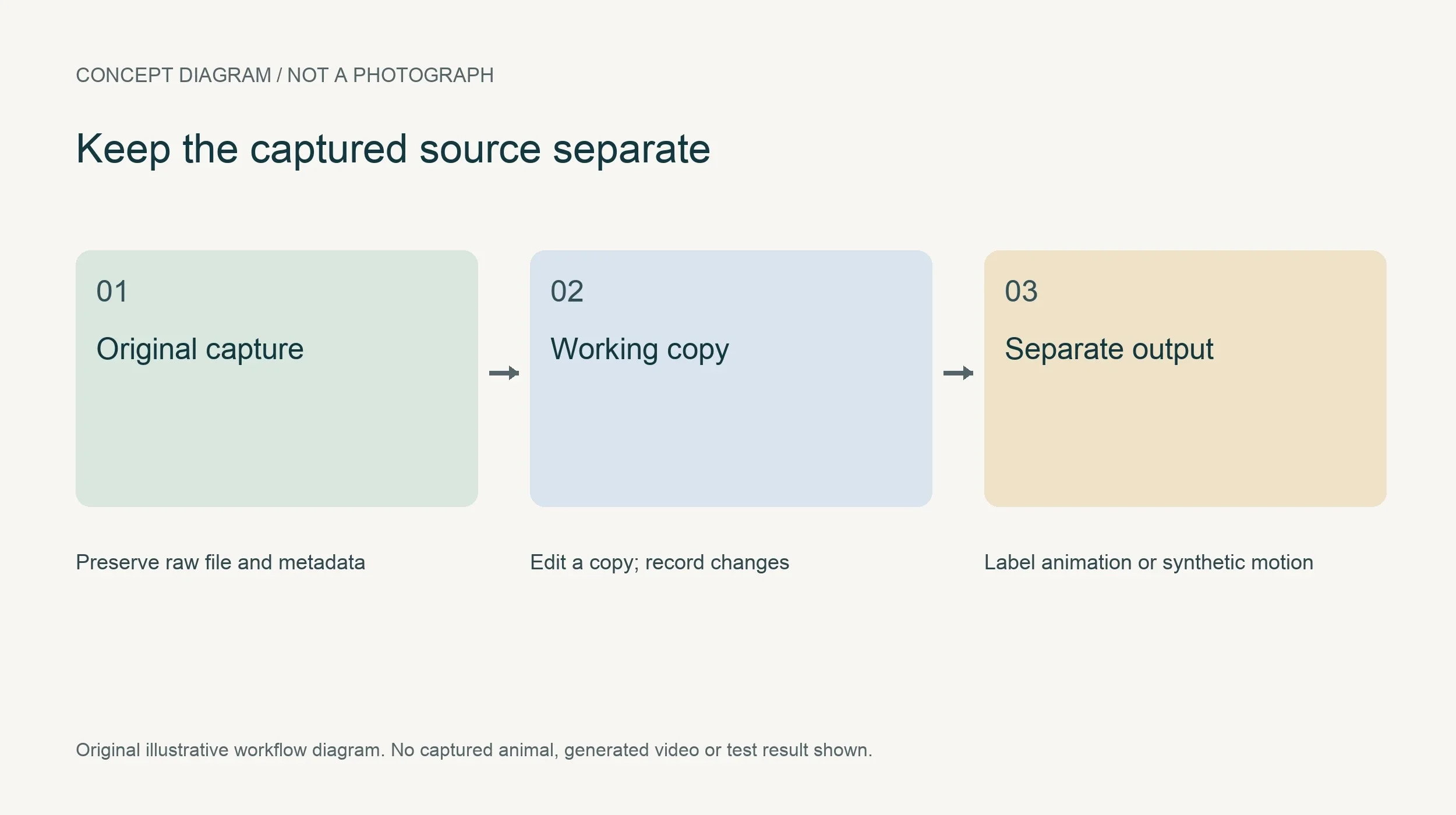
Keeping Documentary Wildlife Photographs Separate from Creative Motion Studies
A wildlife photograph and a moving interpretation of that photograph serve different purposes. The photograph records a view captured by a camera. An animation presents editorial choices about movement and timing. Keeping those roles clear matters when the same source image appears in a portfolio, an article and a creative presentation.
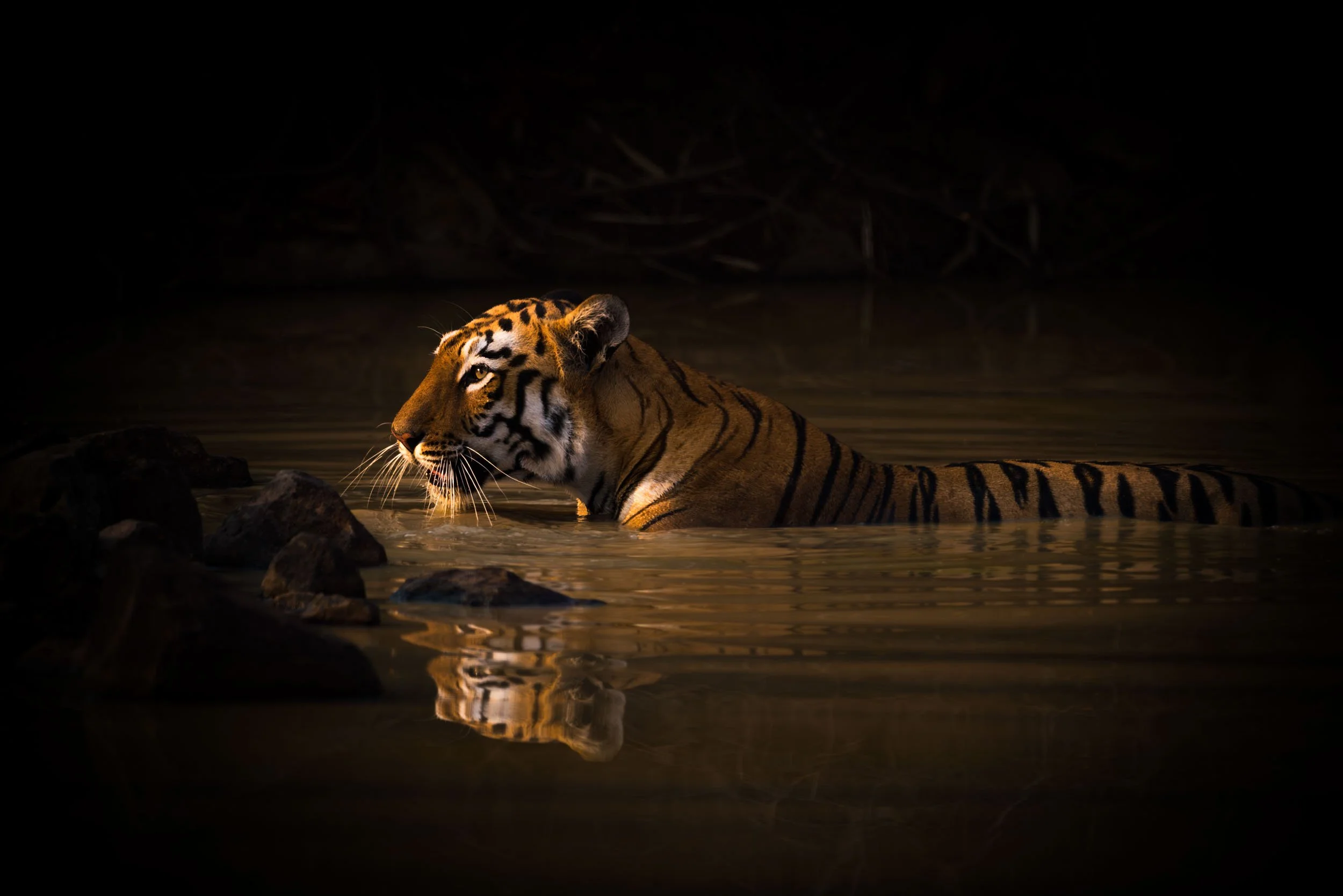
How to Upscale Low-Resolution Wildlife Photos with AI
Every wildlife photographer has a shot like this one sitting somewhere on a hard drive: a leopard whose face fills maybe a fifth of the frame, because the cat never came closer than eighty metres, and by the time you've cropped in tight at the editing stage, what's left is a grainy sliver of the file you started with. The old fix was to accept the loss, or pay someone to rebuild the missing detail by hand, which took time nobody really had.
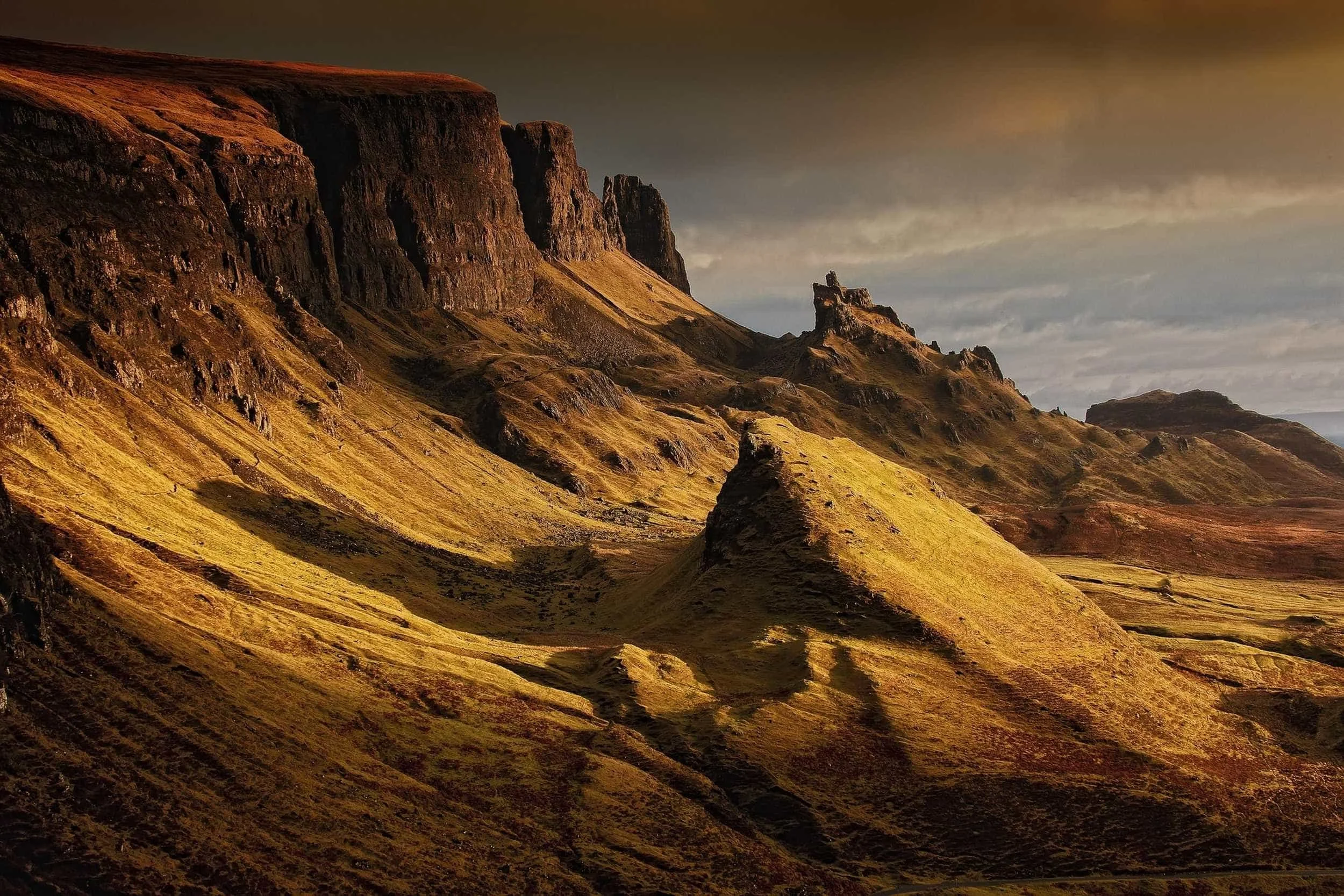
Why Fewer Locations Can Make a Stronger Highland Photography Portfolio
Most photographers, when going to the Scottish Highlands, naturally make themselves a long list of famous places to capture. That may include Glencoe at sunrise, Glenfinnan after a quick lunch and the Isle of Skye as the final destination at sunset. Now all of these destinations surely sound exciting from a tourist standpoint, but in practice it becomes a constant race against time.
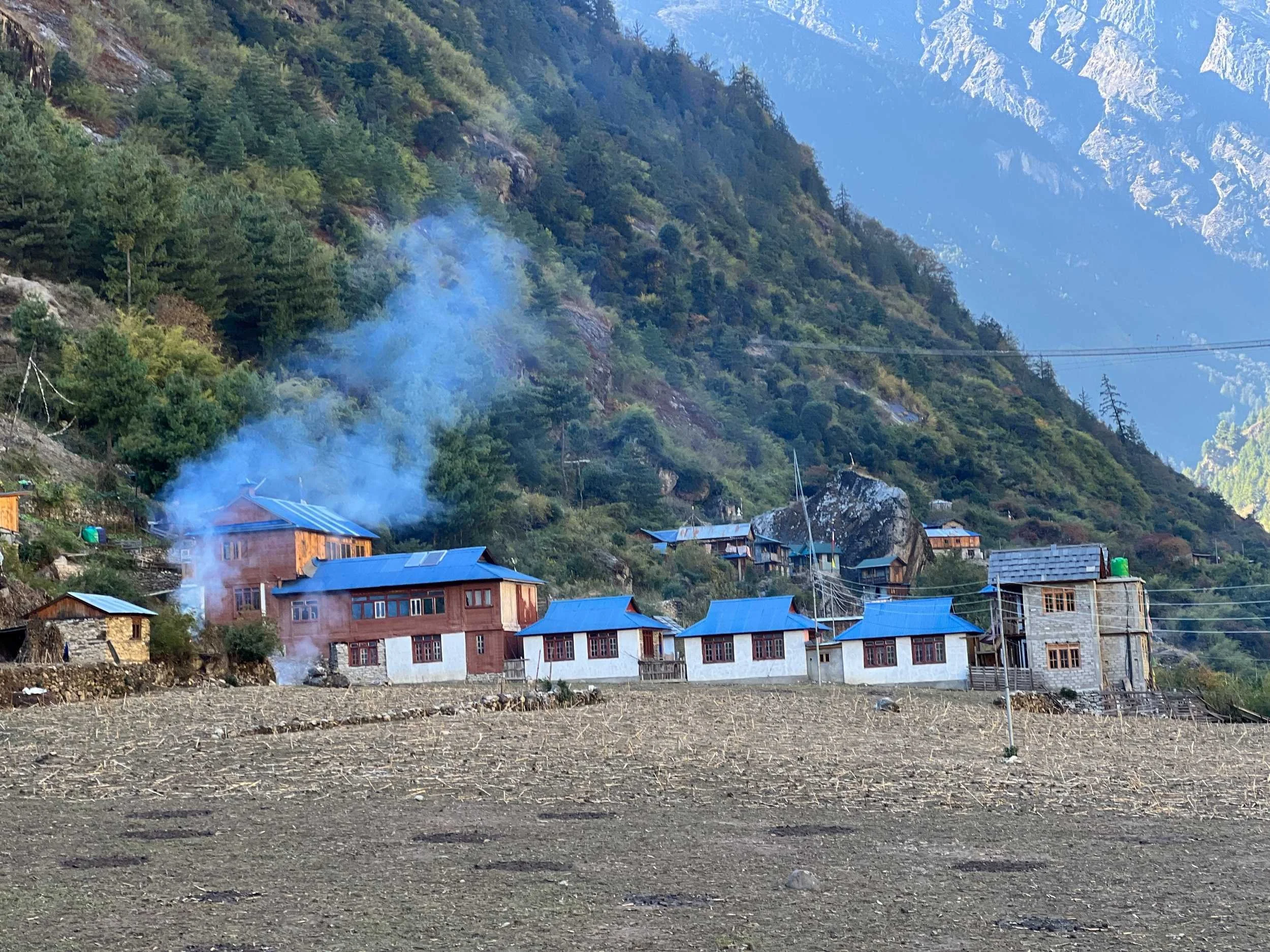
Why the Manaslu Trek in Nepal Belongs on a Landscape Photographer’s List
When people think of Himalayan landscape photography, Everest and Annapurna often come to mind first. Their famous peaks and well-known viewpoints have become almost synonymous with mountain photography in Nepal. But a strong landscape photograph doesn't always come from standing at the most recognisable viewpoint. Sometimes, it comes from watching a landscape change slowly as you move through it.
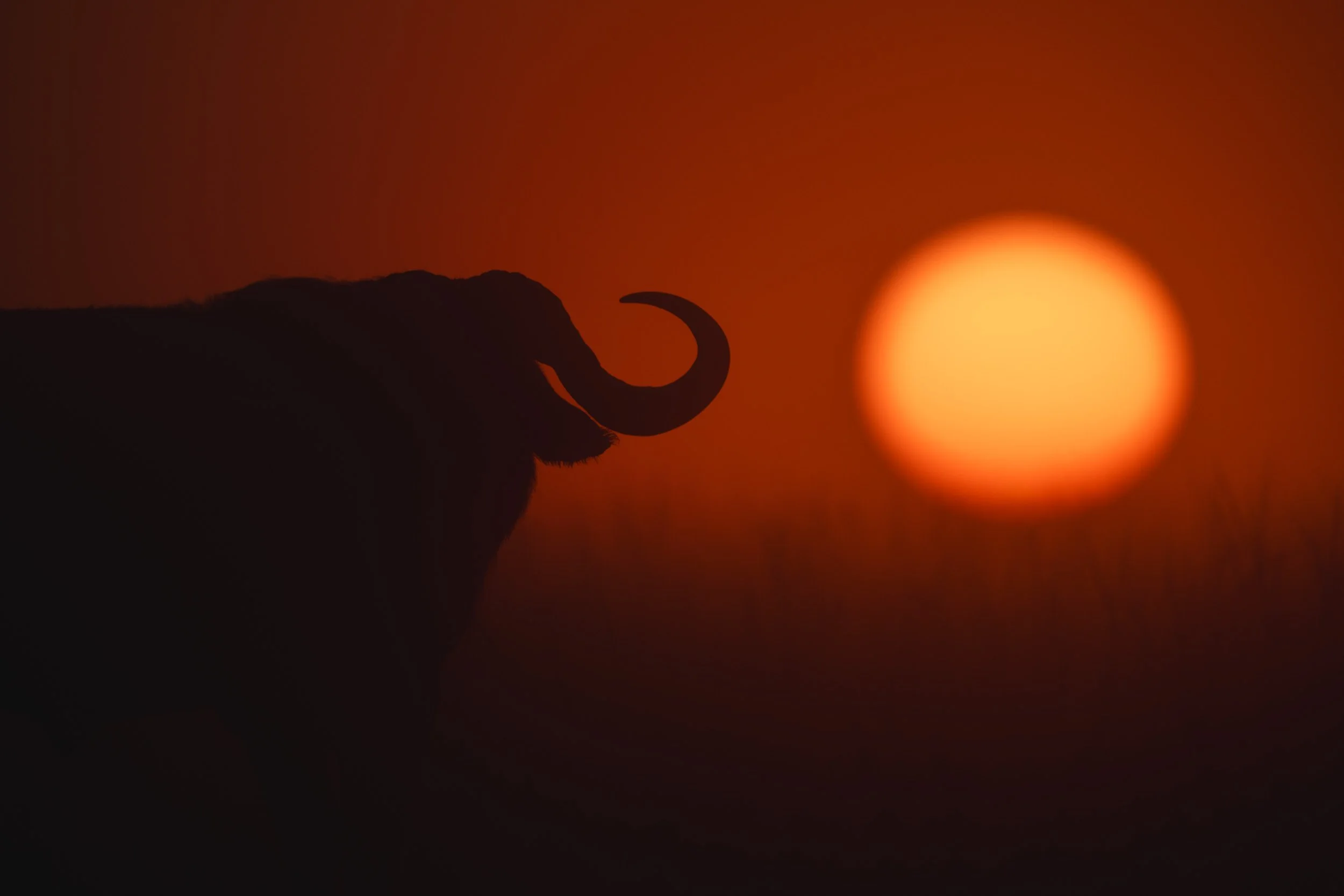
Wildlife Photography Caption Examples That Add Meaning to Images
A leopard looks straight down the lens. The eyes are sharp, the background falls away and the photograph holds your attention. Beneath it, the caption reads “Beautiful leopard”.
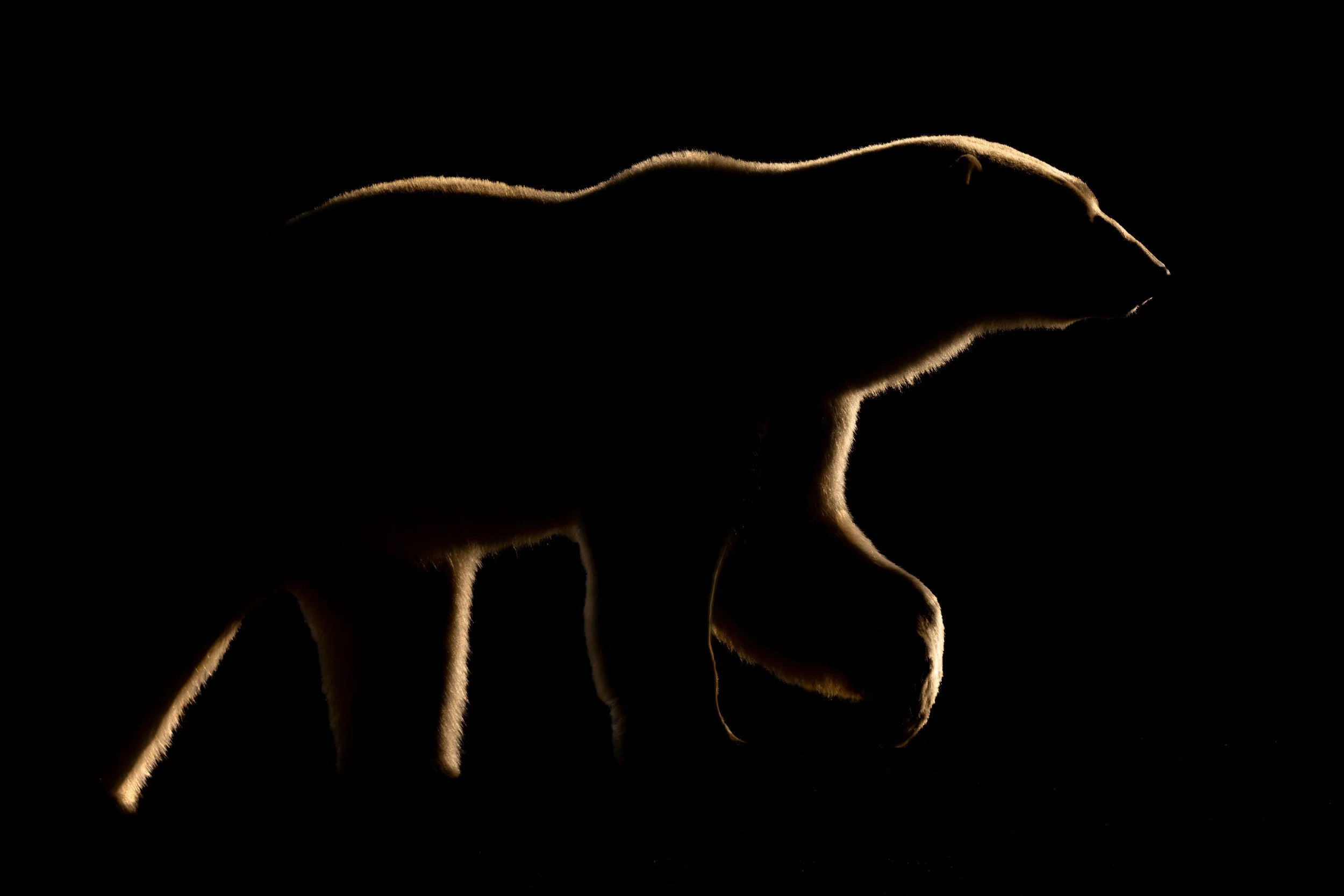
Photography Slideshow Mistakes That Distract From Strong Images
You can spot a bad crop in a print. On a slide, you may have only four seconds to notice it before the next photograph arrives. That makes a slideshow surprisingly easy to get wrong—even when the individual pictures are excellent.
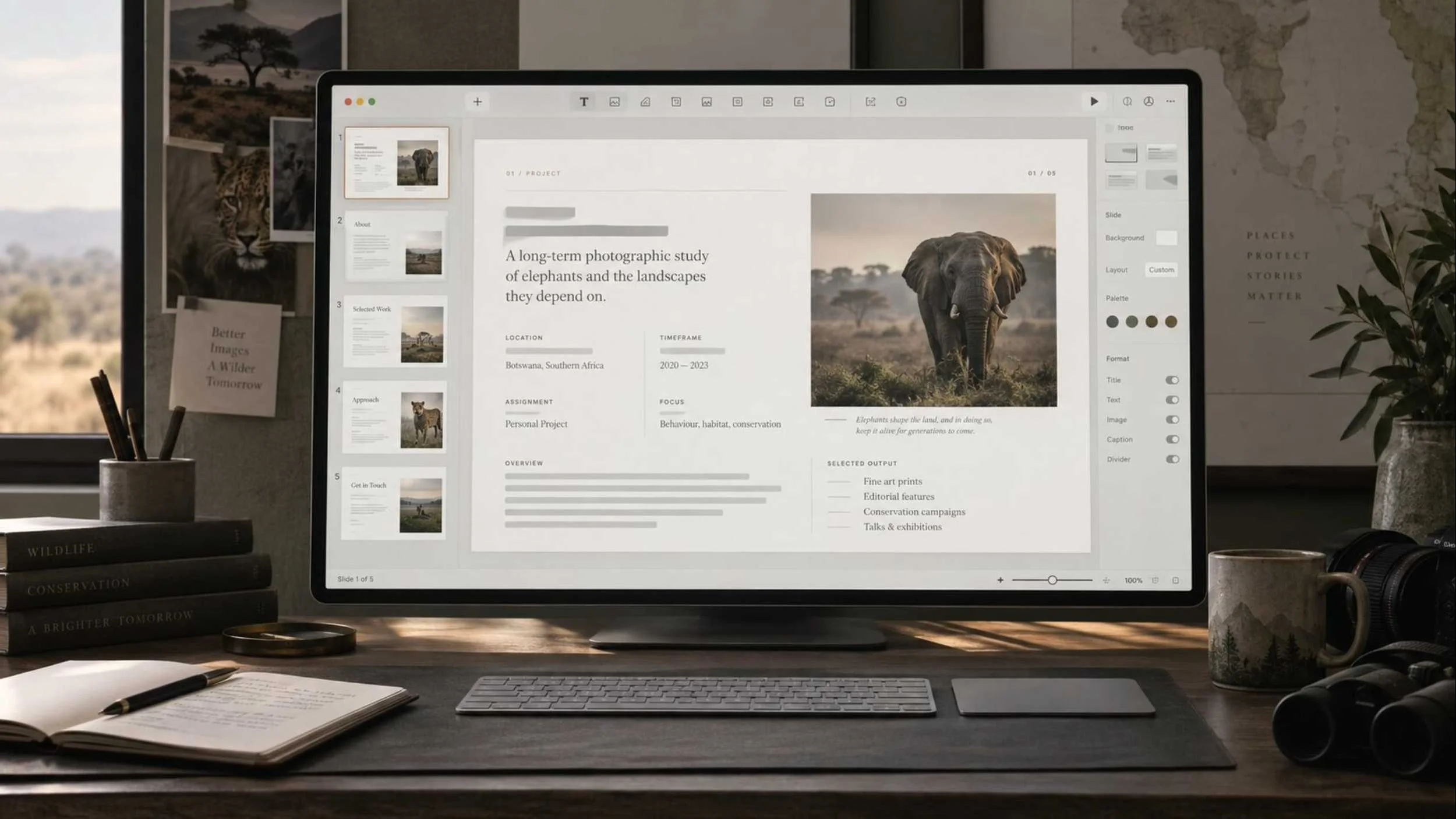
How to Create a Photography Portfolio Presentation
A photography portfolio presentation is a different challenge from a photography website or a printed book. The format is more controlled. You guide the viewer through a specific sequence, at a specific pace, for a specific purpose. That control is an advantage, but only if the structure is deliberate. A professional photography portfolio in slide format tells a story. A random selection of your best shots does not.
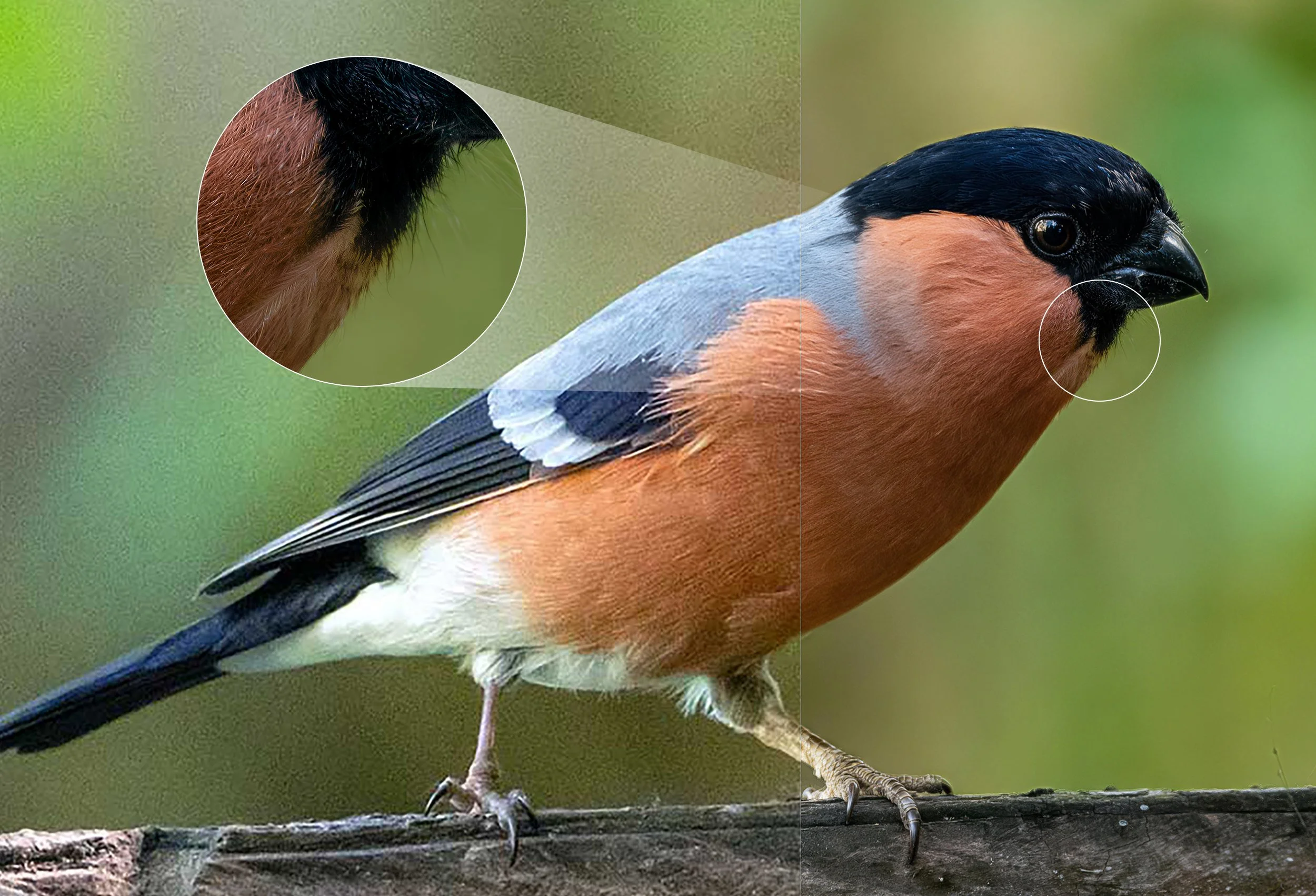
How to Reduce Noise in Bird Photos: Three Methods Tested
Bird photography often means working with less-than-ideal light and demanding camera settings. You may need a fast shutter speed to freeze a bird in motion, a long telephoto lens to reach a distant subject and a high ISO when shooting at dawn, on cloudy days or under the cover of trees.
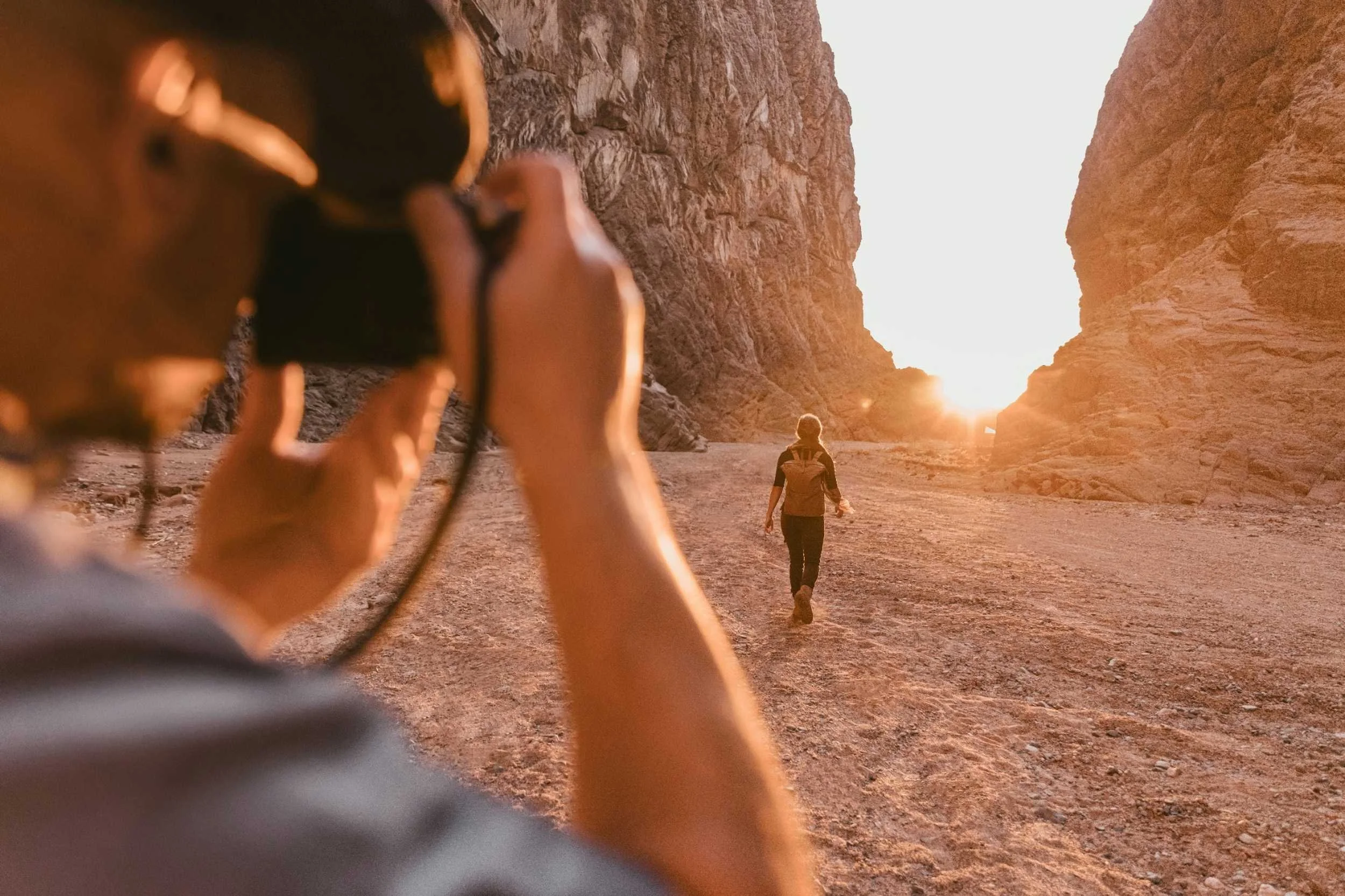
How to Take Better Travel Photos: Tips for Capturing Wow-Worthy Shots
Vivid, memorable photos are one of the best ways to preserve the experiences and emotions of a holiday. Whether you use a smartphone or professional camera equipment, the right approach can help you capture images that bring those memories back to life long after you return home.

How to Photograph Interiors: 10 Tips for Better Interior Photos
Interior photos may look easy because the room stays still. Yet small faults can spoil a good shot. Walls may lean, windows may turn white and dark areas may lose detail. A very wide lens may also make the room look false.
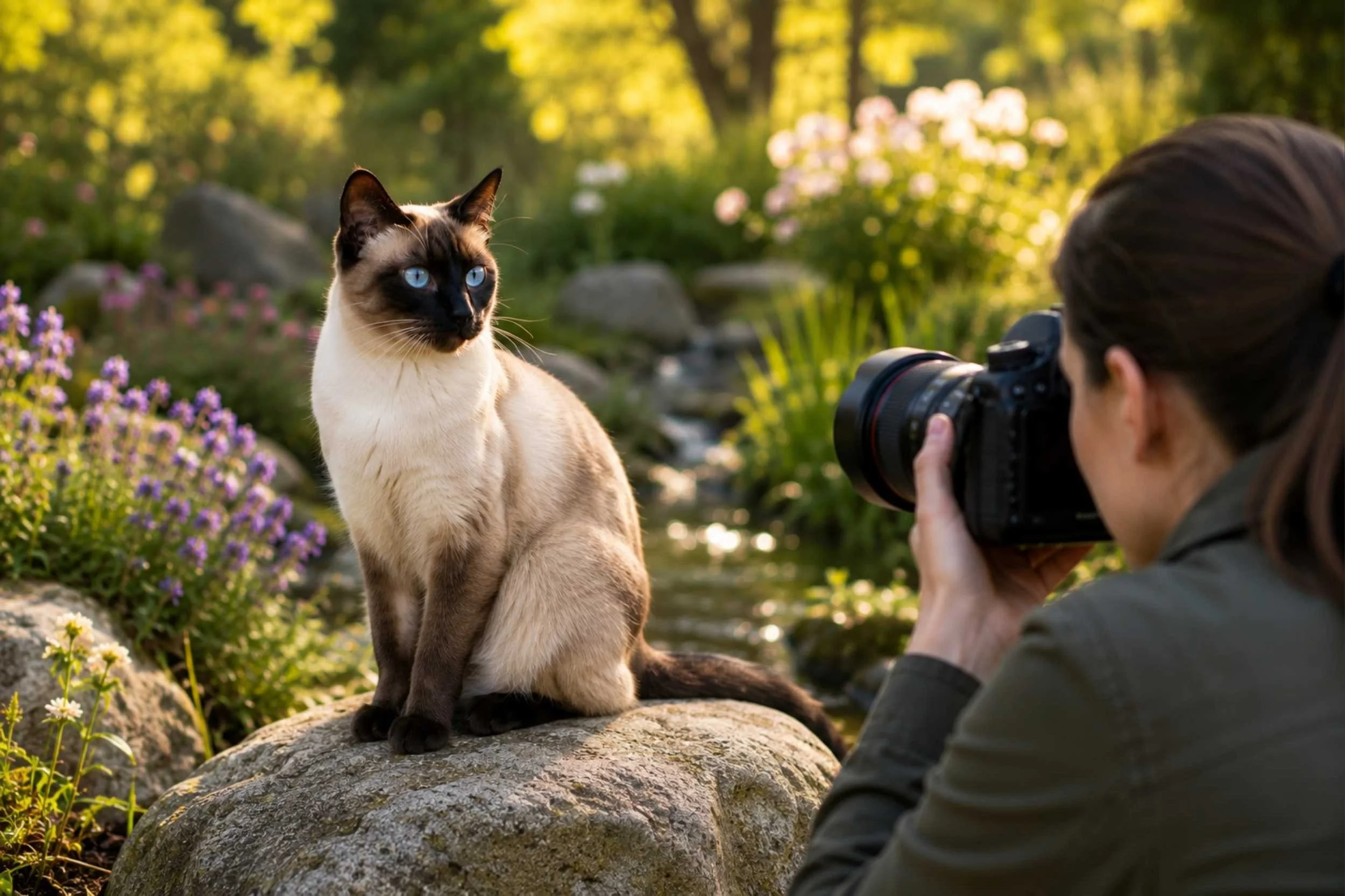
How to Photograph Purebred Cats: A Guide to Feline Portraits That Stand Out
Cats are among the most photographed animals in the world, and yet a truly great cat portrait remains surprisingly rare. Most images reduce the animal to a blur of fur or a pair of half-closed eyes caught at exactly the wrong moment. Purebred cats, with their distinctive coats and carefully bred features, deserve better than that.

How Photographers Turn Photos into Custom Lapel Pins
Outstanding photographic works should not only exist on screens. For photographers, custom pins are a creative way to transform memorable images into small wearable artworks while preserving the unique details of each photo. The key to custom pins lies in choosing the right images and making adequate production preparations.
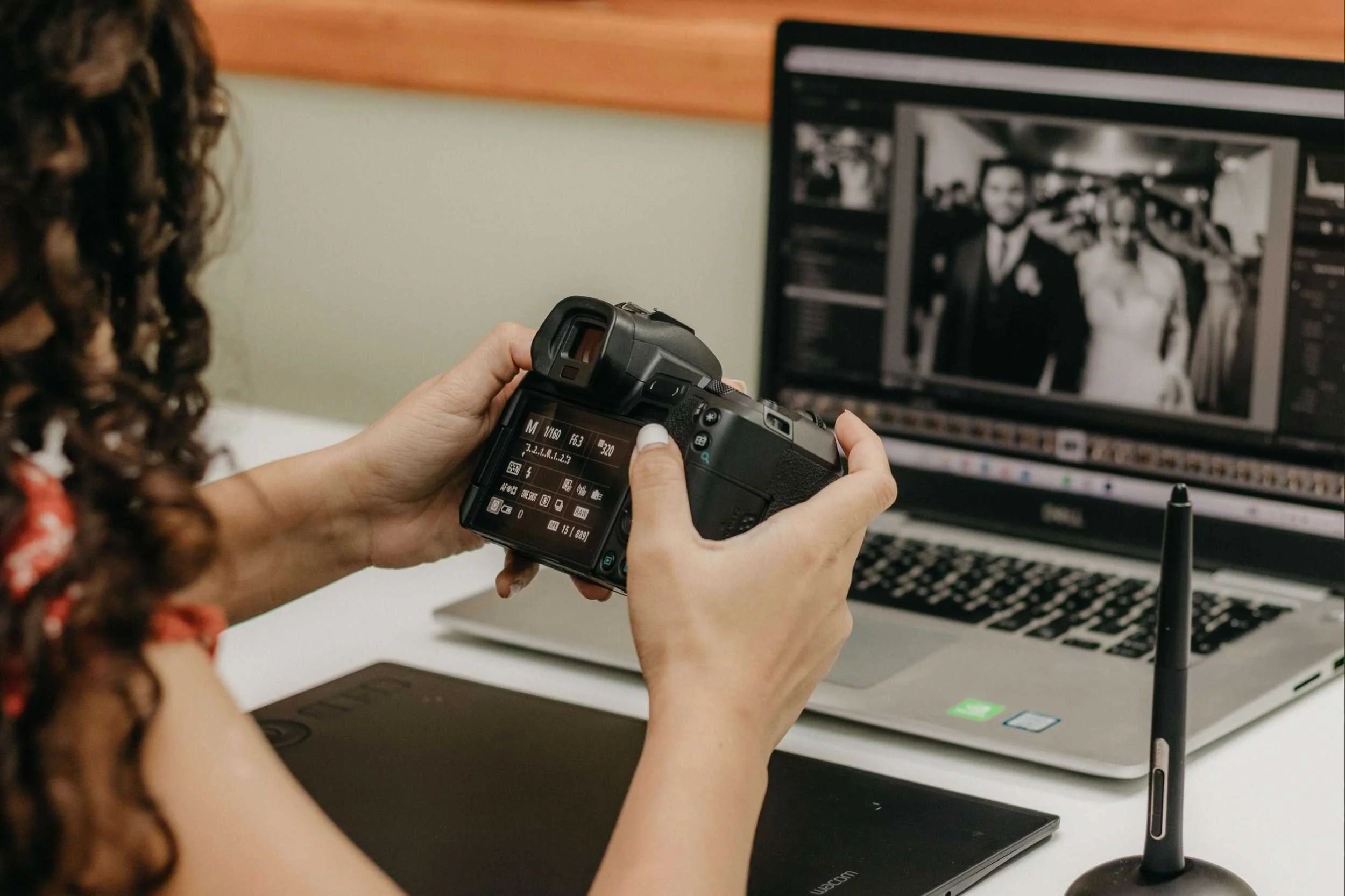
From Screen to Gallery Wall: Preparing Photography for Fine Art Printing
A photograph on a screen emits light. A photograph on paper has to live with it. That difference affects colour, contrast, texture, scale, and the way an image holds attention in a room.
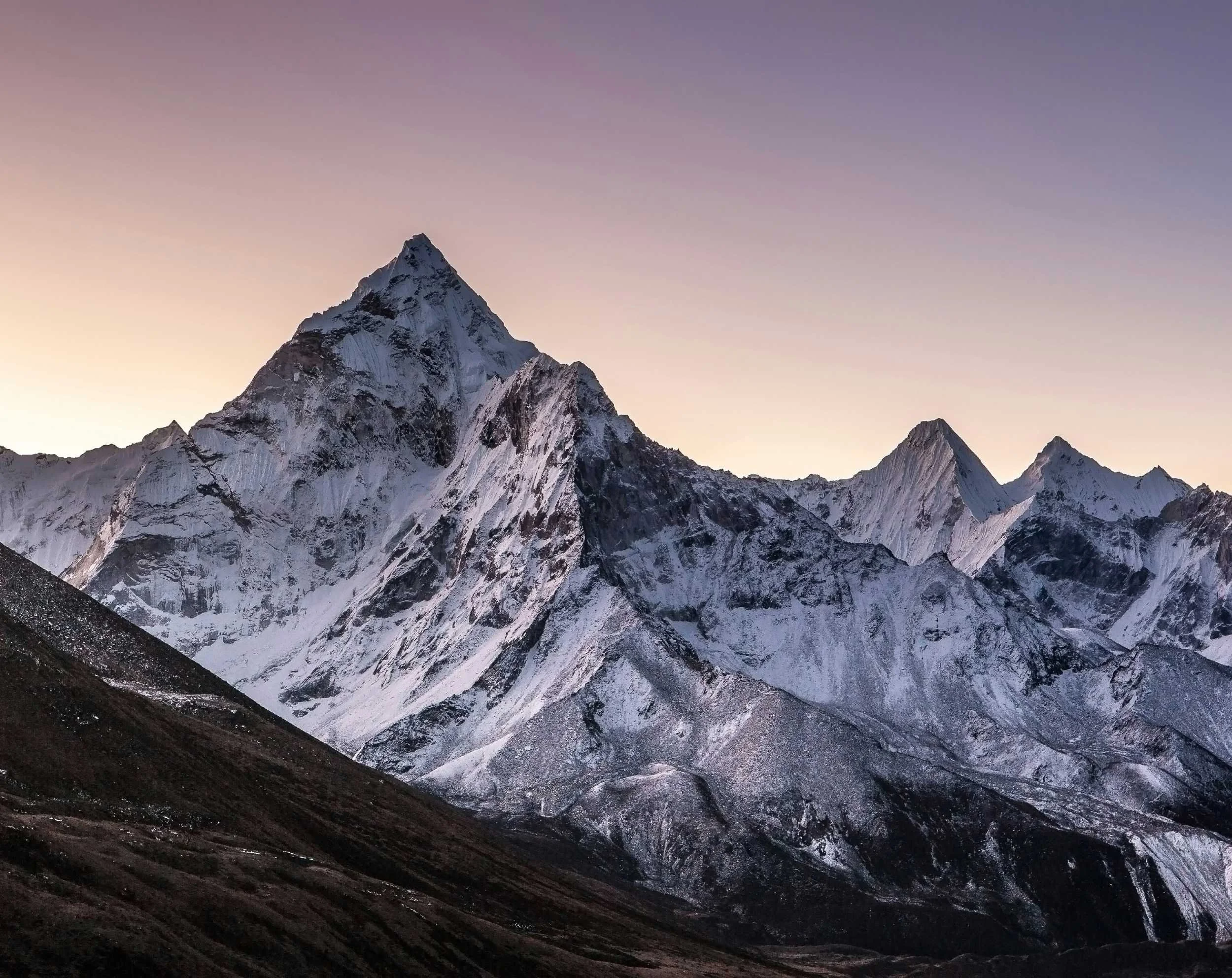
A Photographer's Guide to the Himalayas
The Himalayas stretch for around 2,400 kilometres across five countries, from the Karakoram in Pakistan through India, Nepal and Bhutan to the eastern ranges of Tibet. For photographers, they offer a combination of conditions found almost nowhere else on Earth: extreme altitude, exceptionally clear air, violent contrast, deep cold and subjects ranging from 8,000-metre peaks to some of the most photogenic mountain cultures anywhere.
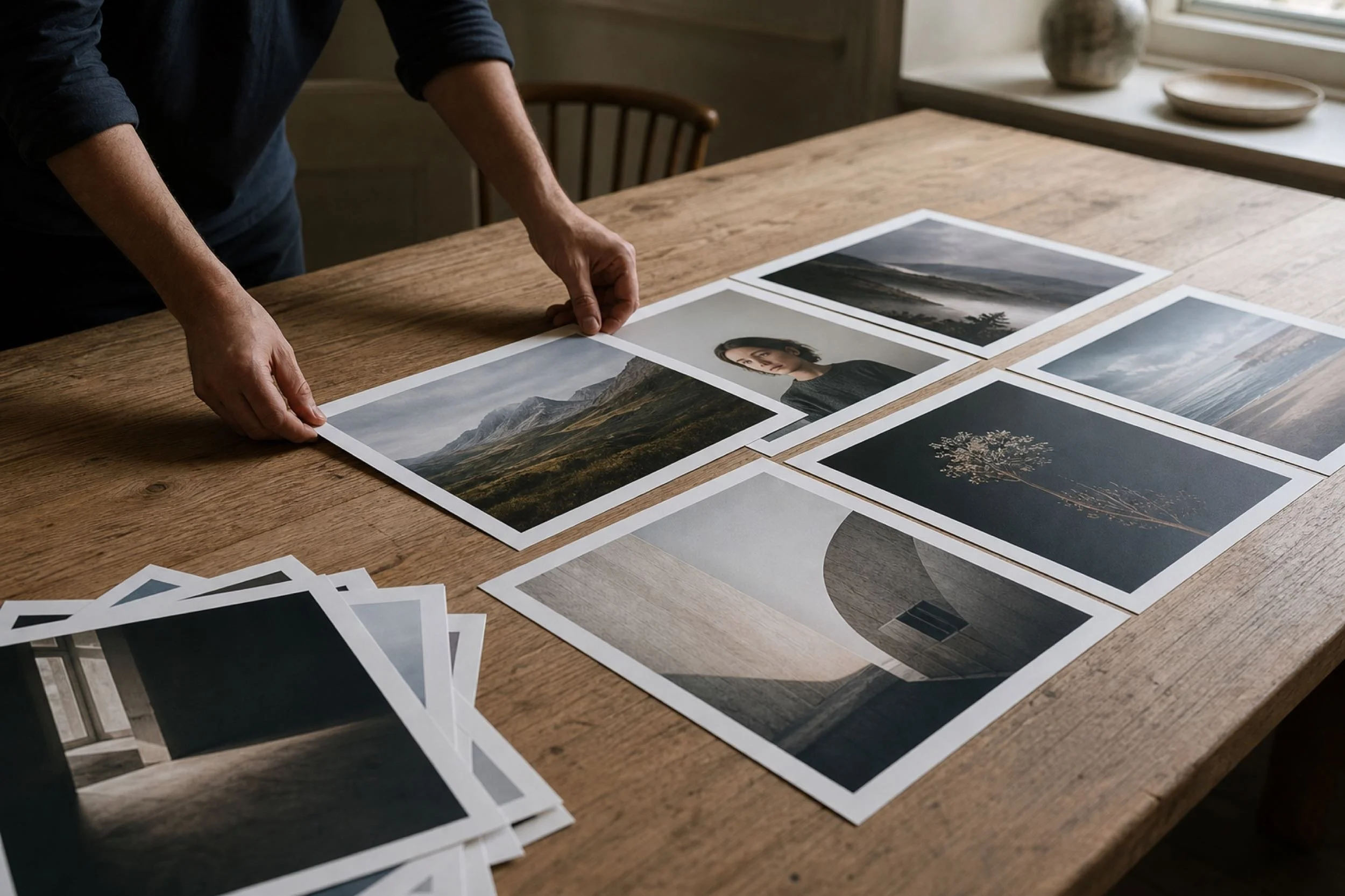
Photography Portfolio, Website Builder or Instagram: Which do you Actually Need?
A set of photographs can be published in several ways. It can become the central feature of a website, a group of posts on a social account or a series of galleries in a dedicated portfolio. The photographs may be identical, but the viewing experience will not be.

Paris Proposal Photographer: Why Night Sessions Beat Sunset Every Time
The image of a golden sunset behind the Eiffel Tower is perhaps the most enduring cliché of the French capital. For many people planning a life-changing moment with their partner, the "Golden Hour" seems like the ultimate requirement. However, seasoned experts in the field suggest a different reality. Choosing a specialised Paris proposal photographer often reveals that the city's true romantic potential awakens only after the sun has vanished.
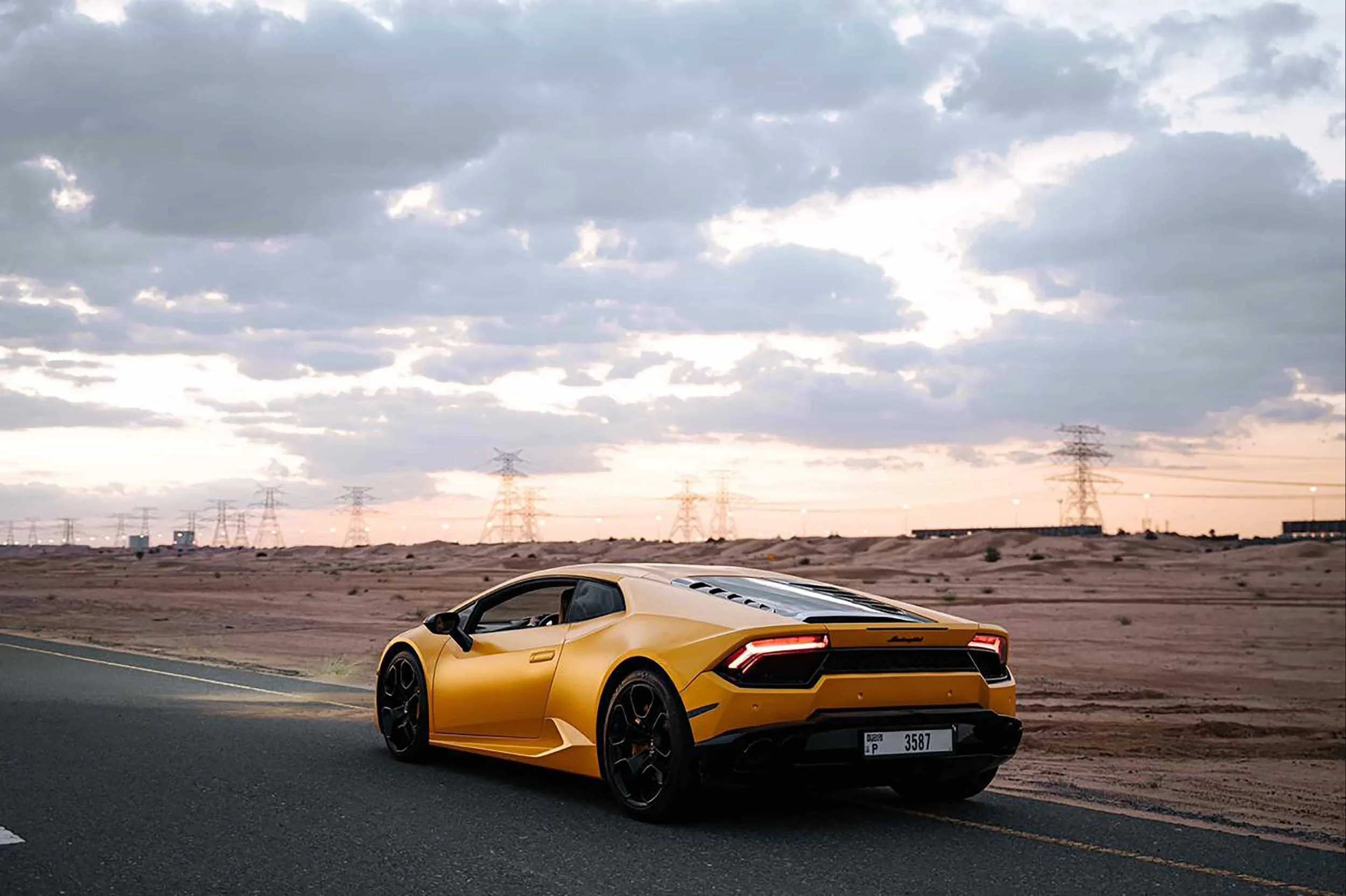
Best Scenic Drives Near Dubai for Landscape Photography
Dubai's skyline is among the most photographed metropolitan landscapes in the world. Any photographer who spends time here soon arrives at the same conclusion: the desert, the mountains and the coastline outside the city are just as interesting and far less crowded.

What to Do If Your Camera Says "Card Needs to Be Formatted"
You've just switched on your camera when, out of nowhere, a message pops up: "SD card needs to be formatted". Now you're stuck with the question: Why does my SD card need to be formatted? Especially if there are photos on the card that you simply can't lose. Don’t worry. You’re in good hands – we’re here to help you.