Where to go on Safari: Africa or India?
Decisions, decisions…
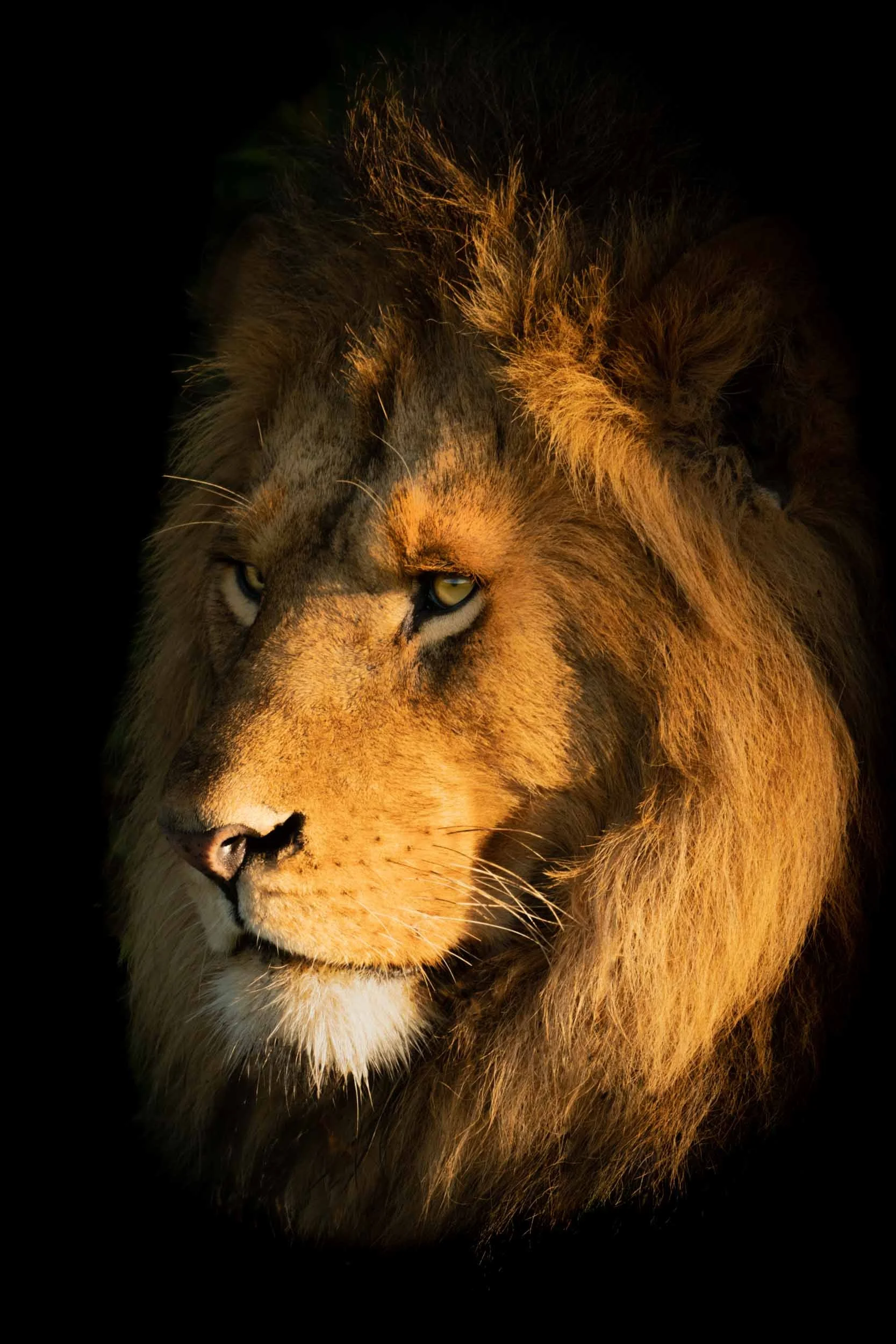
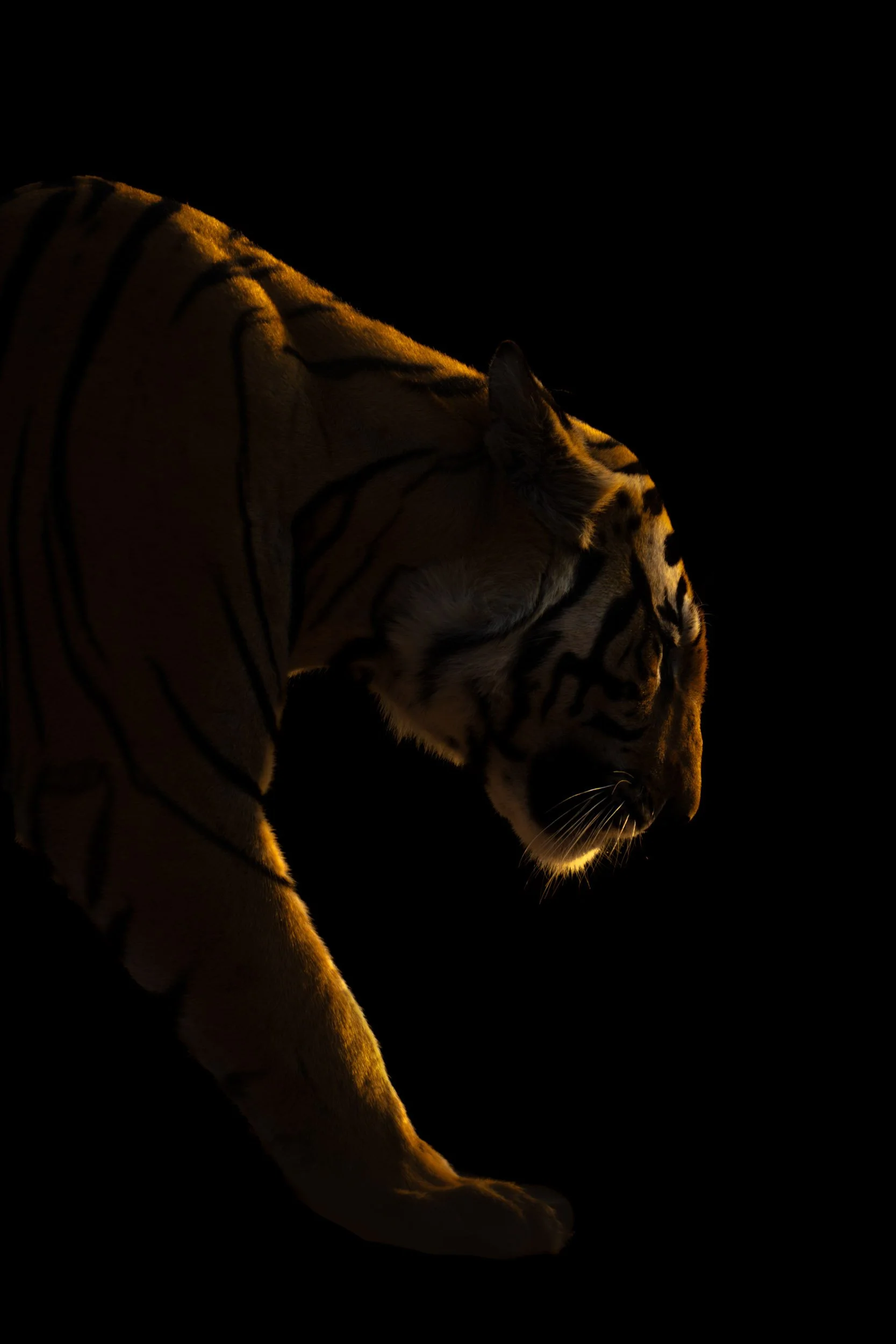
As a wildlife photographer, I’m often asked which I prefer, Africa or India—but that’s a bit like asking if you prefer a shot of Italian espresso or a glass of vintage Bordeaux. Both can be world-class, but there’s a time and a place for each one—and the experience on the palate (or through the viewfinder!) couldn’t be more different.
I’ve spent more than a decade driving through the dusty plains of Africa and the impenetrable jungle and 47℃ heat of India, and I keep going back to both. If you’re trying to decide where to go on your next safari, here’s what you need to know.
The Landscape: Open Horizons vs. The Green Wall
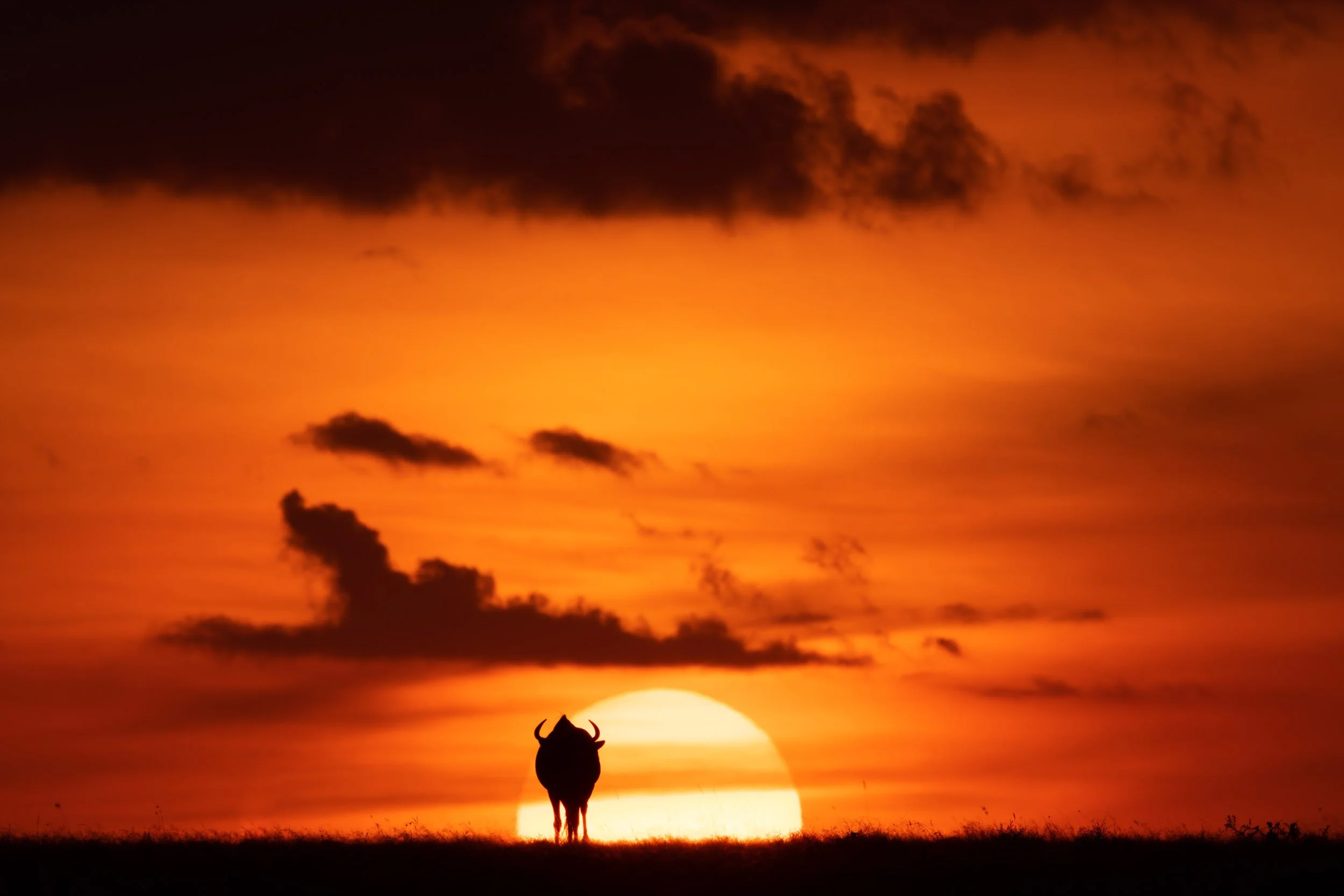
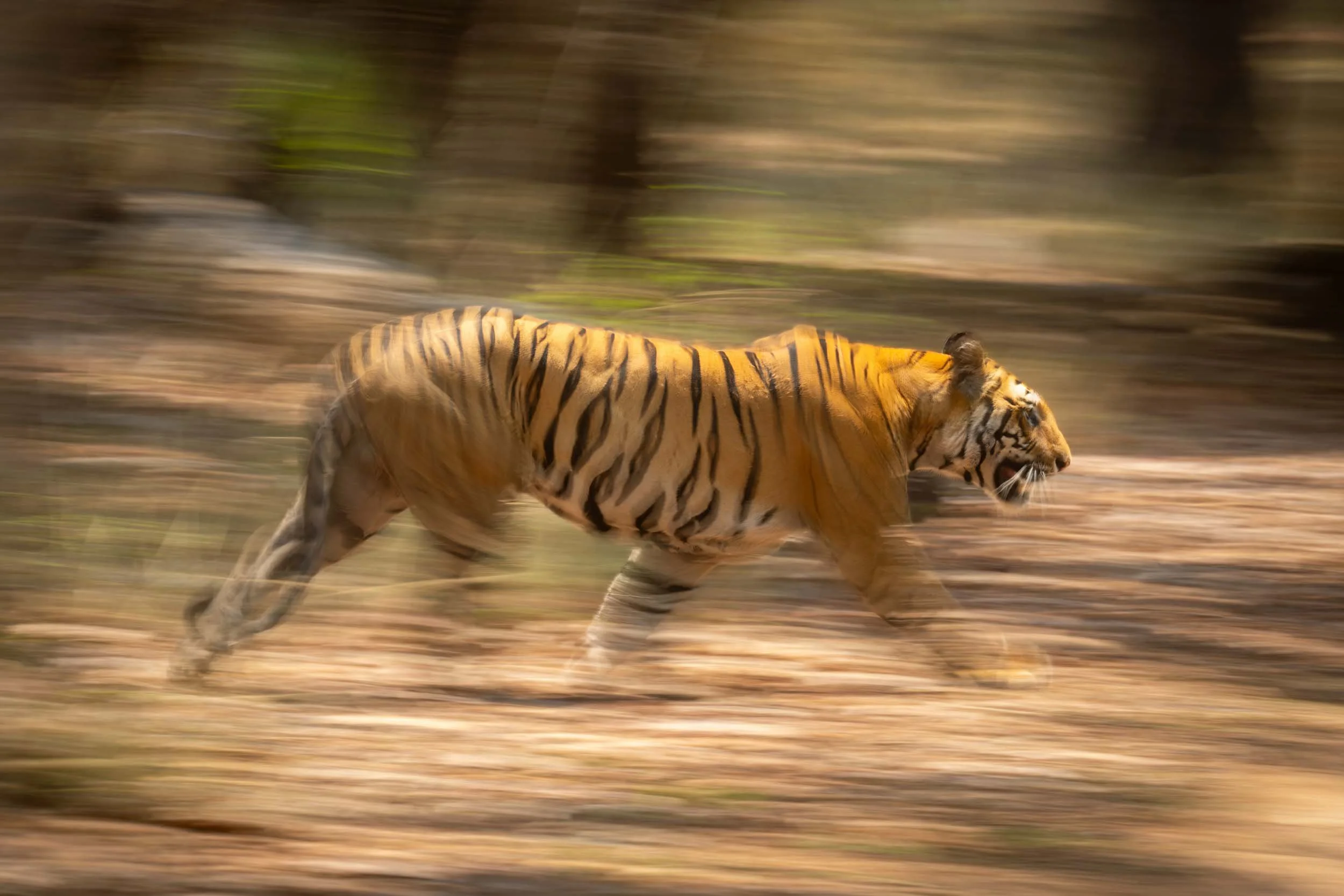
The first thing you notice in Africa, particularly in places like the Maasai Mara or the Serengeti, is the scale of the place. It’s a land of ‘the big picture’, and the vast, golden plains mean you can see a storm brewing 50 miles away. For a photographer, this means context. You aren’t just taking a picture of a lion. You’re taking a picture of a lion in its environment.
The clean backgrounds are a dream for environmental portraits or close-ups. You can dial in f/16 for a sunset silhouette or drop your aperture to f/4.0 and watch the savannah melt away to form a creamy, minimalist backdrop.
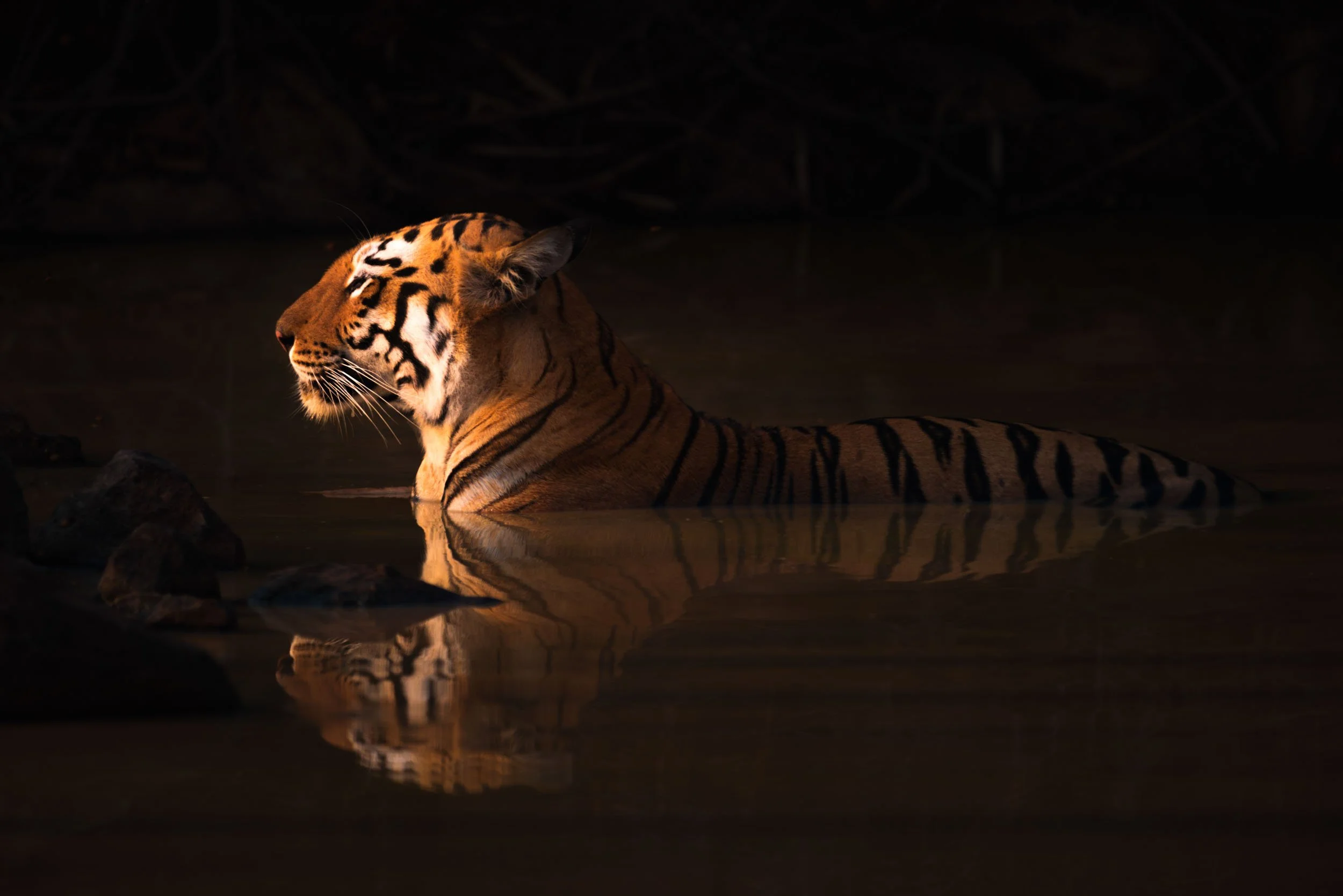
India, however, is an exercise in blindness, boredom and frustration. Unless you’re lucky enough to see a tiger on the road or in a waterhole, the jungle is a green wall. In parks like Bandhavgarh, Ranthambore and Tadoba, you’re faced with dense forests wherever you look. You never see a tiger from two miles away. You hear a chital deer give an alarm call, perhaps, and you wait.
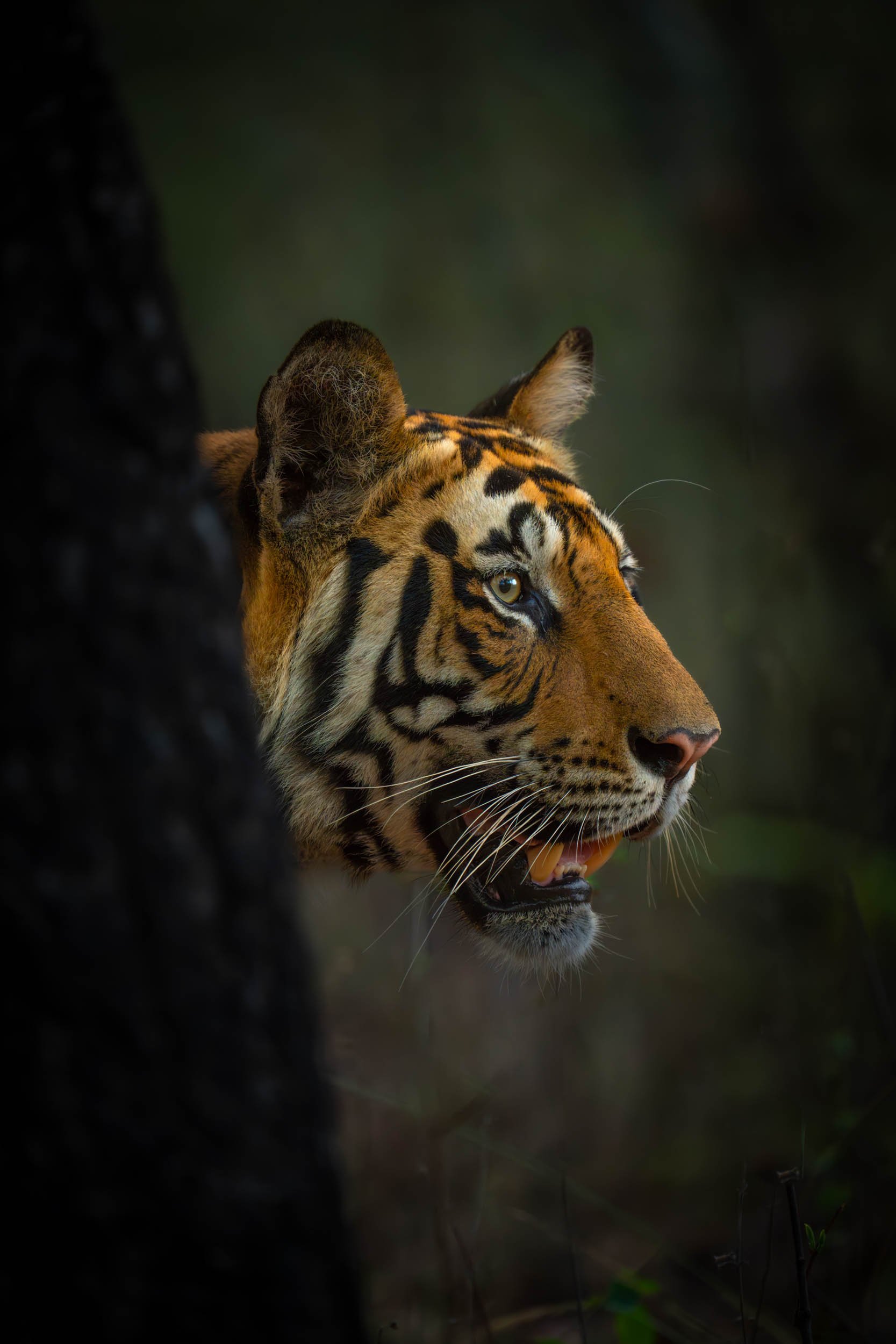
If and when the tiger does appear, it’s often in the shade and obscured by branches, leaves or long grass. Your best option to clean up the background is probably the slow pan—but that means a much lower hit rate!
The Photographic Takeaway: Africa is about epic landscapes, portraits and silhouettes. India is about the ‘peek-a-boo’ or ‘look-through’ shot and the intense, tight close-up. If you want to get your reward, you need to be very patient but capable of quick reactions when you do get a sighting.
The Stars of the Show: The Big Five vs. The Striped King
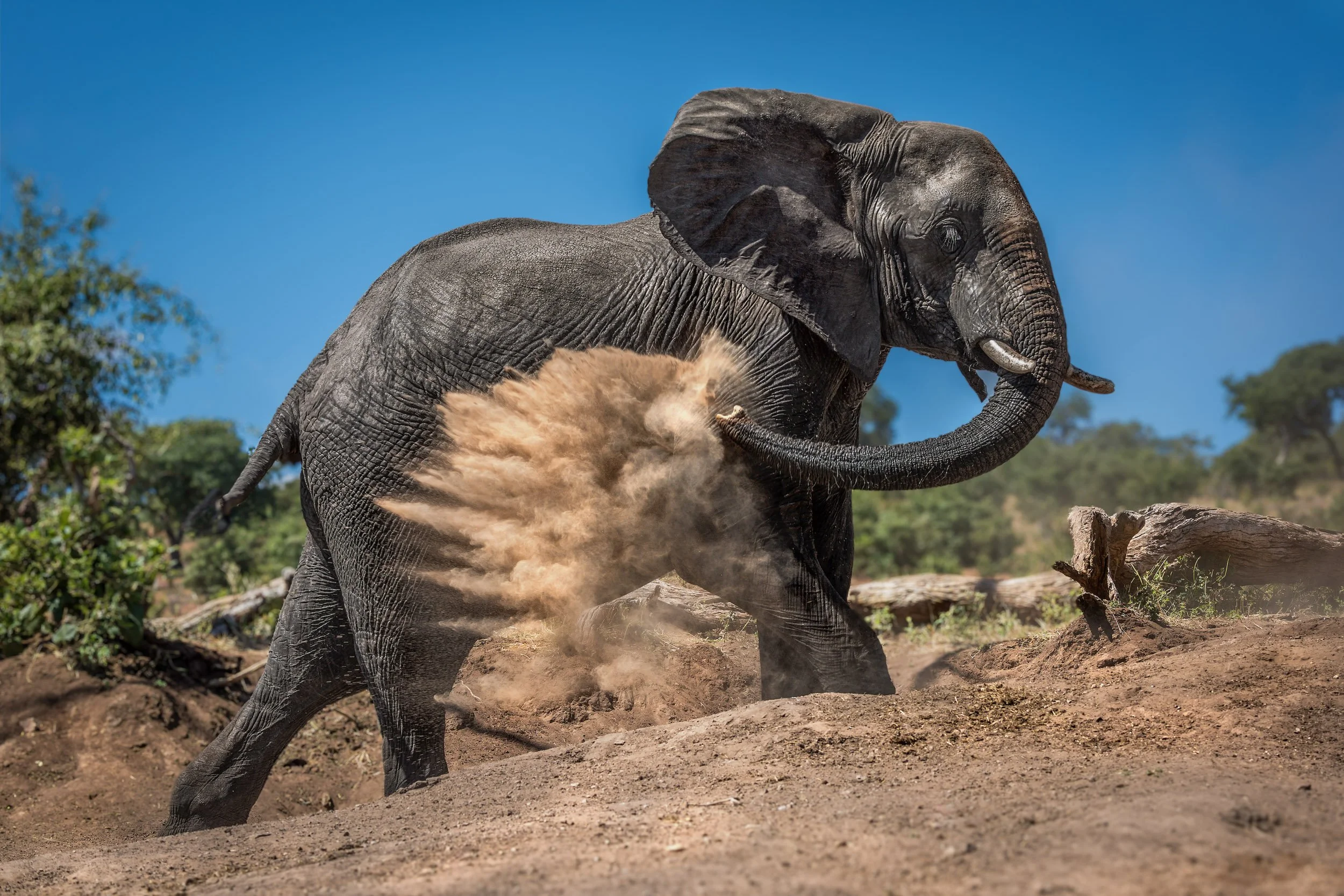
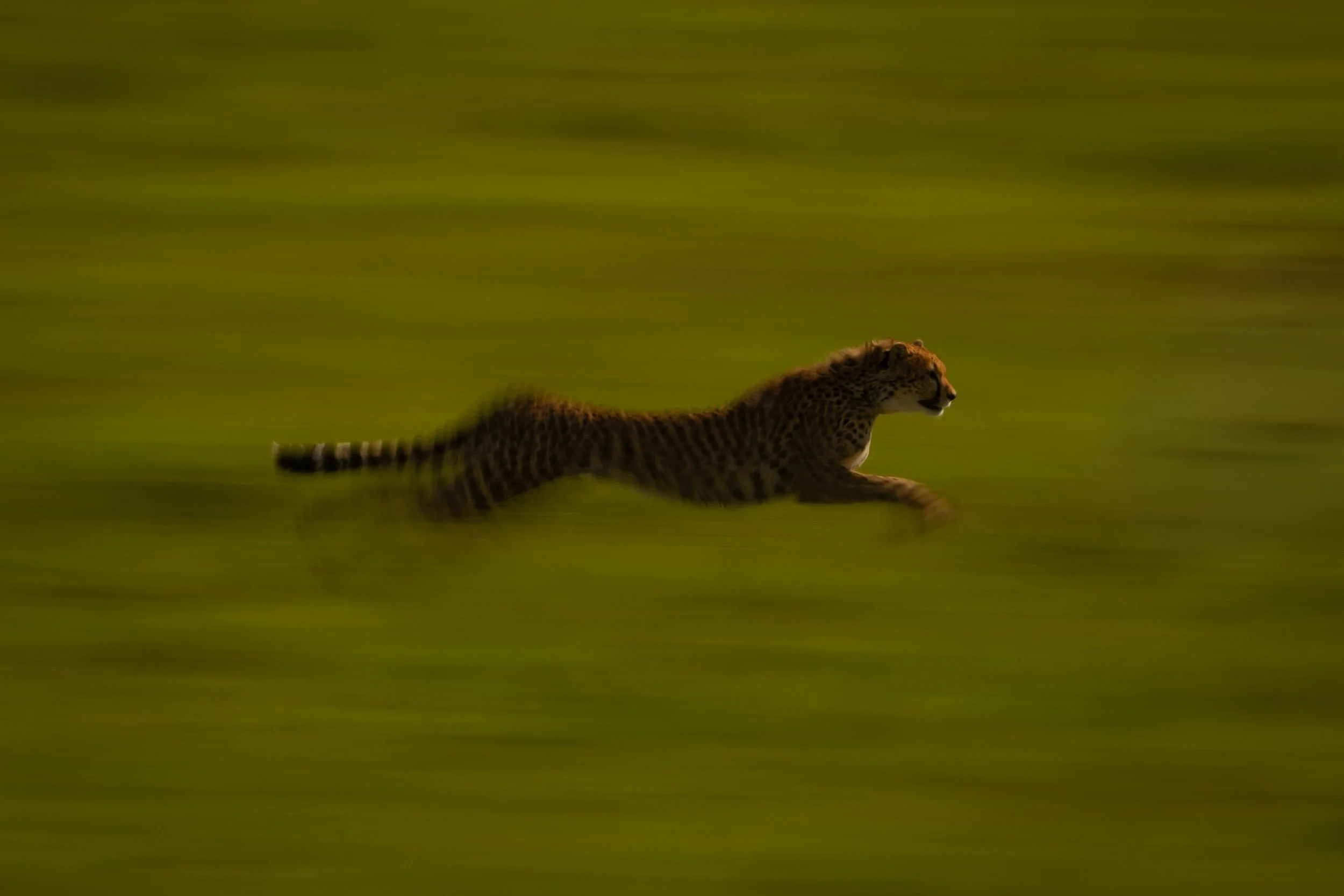
In Africa, it’s all about the Big Five (lion, leopard, elephant, buffalo and rhino). On a good day in the Ngorongoro Crater, you might see all of them before lunch! The sheer volume of animals is staggering. If you want action—cheetahs sprinting at 70 mph or a crocodile lunching on a wildebeest—Africa is the undisputed heavyweight champion.
India is an entirely different realm. It’s essentially a monarchy. Everyone is there for the tiger. Yes, there are leopards, sloth bears, and the occasional jackal, but they’re really just Non-Player Characters!
Finding a tiger is a quest. It involves tracking pugmarks in the dust and listening to the language of the forest—the langur’s bark, the sambar’s call. When you finally see that orange flame flickering through the green, the adrenaline hit is far higher than seeing your twentieth lion of the week in Kenya.
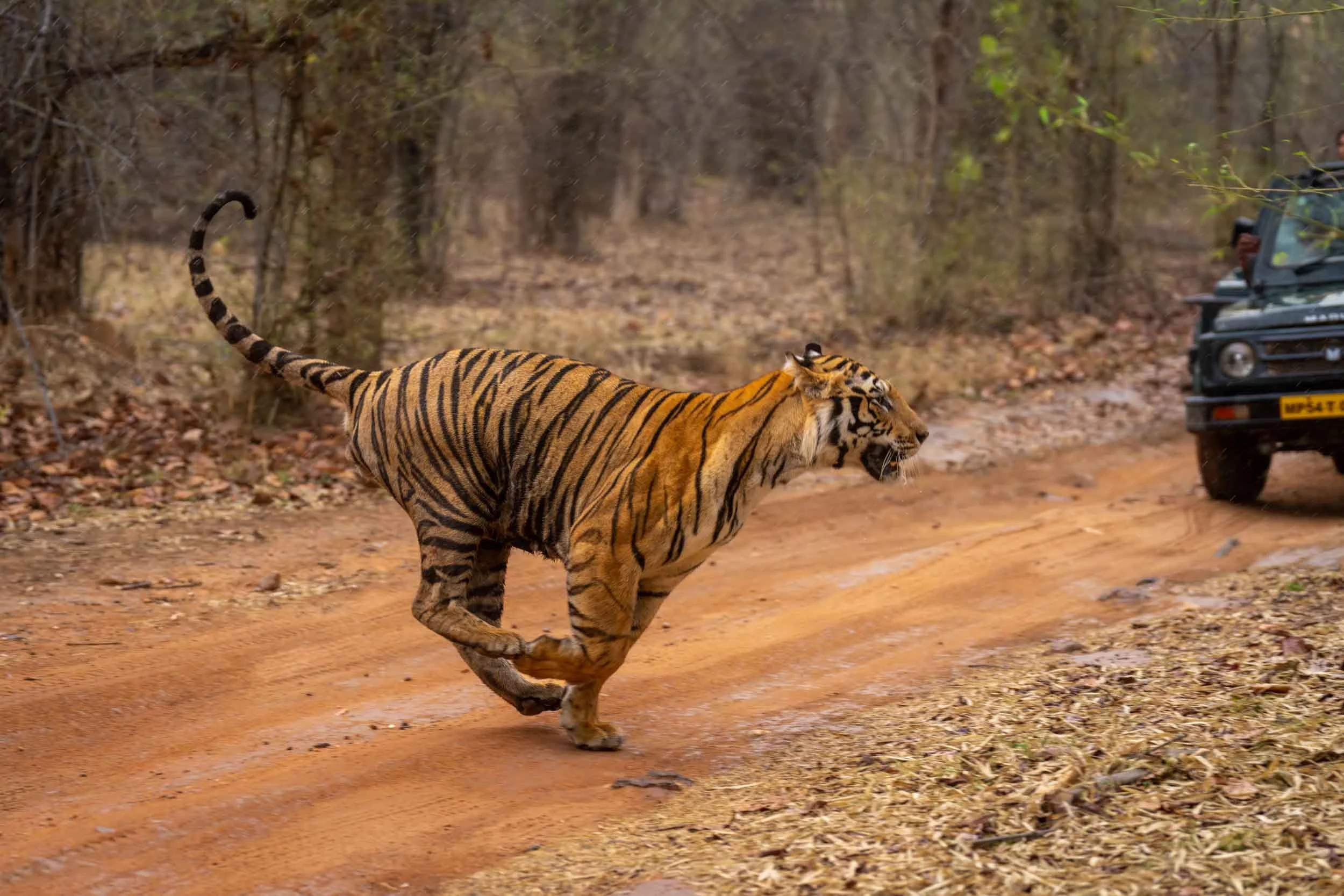
The very first time I saw a tiger, I was in Bandhavgarh National Park. My guide got a call over the radio about a possible sighting. He immediately shouted, “Tiger!” The driver stamped on the accelerator, and we were soon careering off at 60mph. When we came to a 90-degree bend in the road, we hardly slowed down in the rush to see the tiger, so we all had to hold on for dear life!
The Rules of the Road (and Off It)
This is where the two experiences diverge most sharply for a professional.
Africa: In many private reserves, especially in Kenya or South Africa, off-roading is permitted. If a leopard is stashing a kill in a tree 50 yards away, your guide will simply drive over and put you right underneath it. You have incredible control over your angles.
India: You are strictly confined to the road. Indian National Parks are managed with a "tough love" approach. If a tiger is 20 metres away in the brush, you have to stay where you are and just pray he walks towards you. You are also at the mercy of "zones" and strict time slots. If your permit says Zone 3, you stay in Zone 3, even if the world’s most photogenic tiger is in Zone 2!
Travelling in Style vs. Cramped and Overcrowded
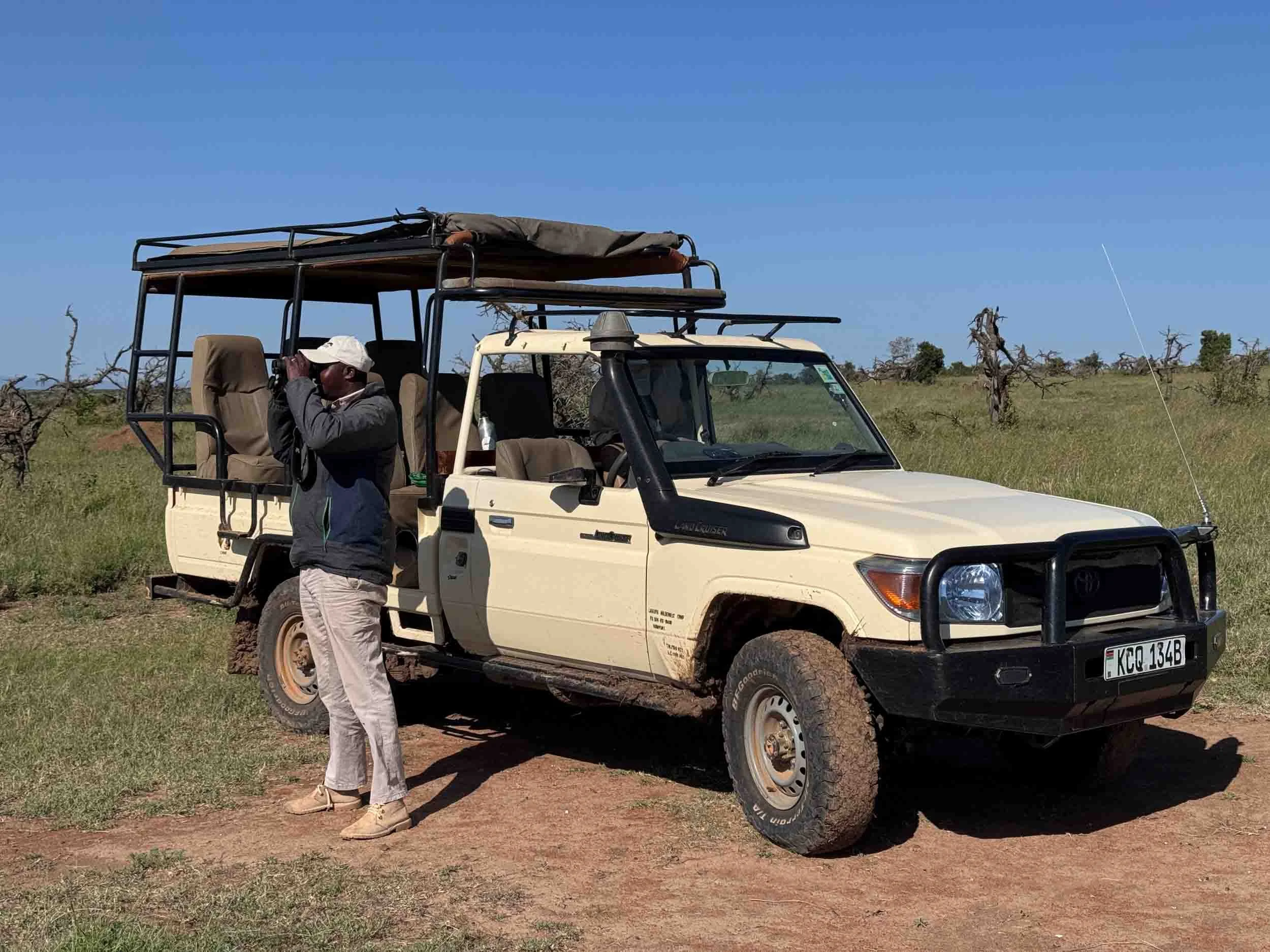
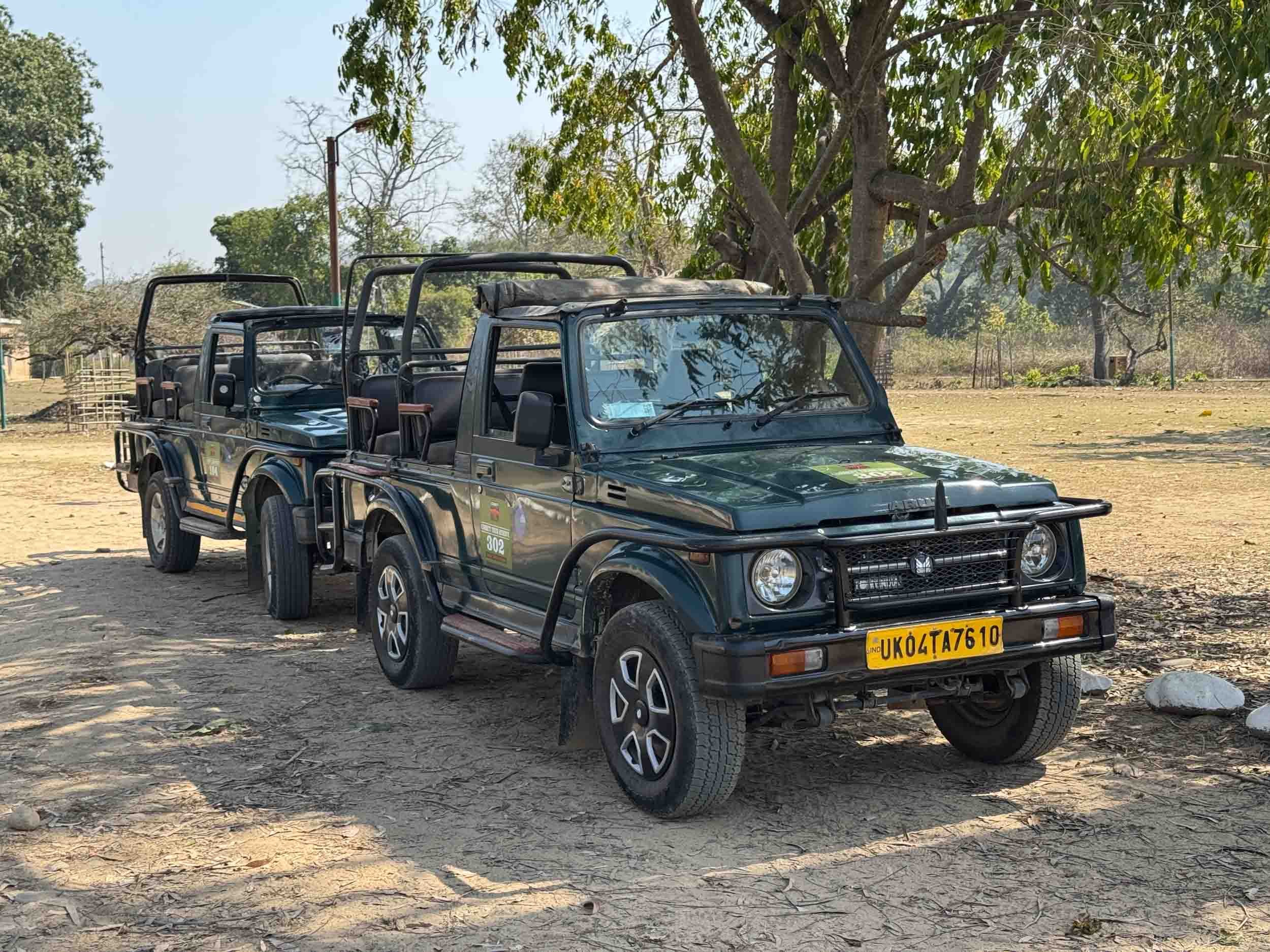
African lodges are the gold standard of hospitality. There is something magical about a G&T by a fire pit in the middle of the bush. The vehicles are also spacious, comfortable and packed with useful essentials like boxes of tissues and personal water bottles, as well as coolers for beer, wine, Amarula and soft drinks.
The standard safari truck is the Toyota Land Cruiser, but they’re all custom-fitted. In places like Laikipia Wilderness, they’re even open-sided with a row of seats removed, which allows for 360-degree visibility and eye-level shots when photographing Giza, the black leopard.
In India, you’ll always be in a Gypsy—a small Maruti/Suzuki 4x4. It’s cramped and bouncy with zero legroom, and you’re guaranteed to bump your head several times on the rollbar! I guess the best that can be said for it is that it’s nimble and can navigate tight jungle tracks that a Land Cruiser would struggle with…
Verdict
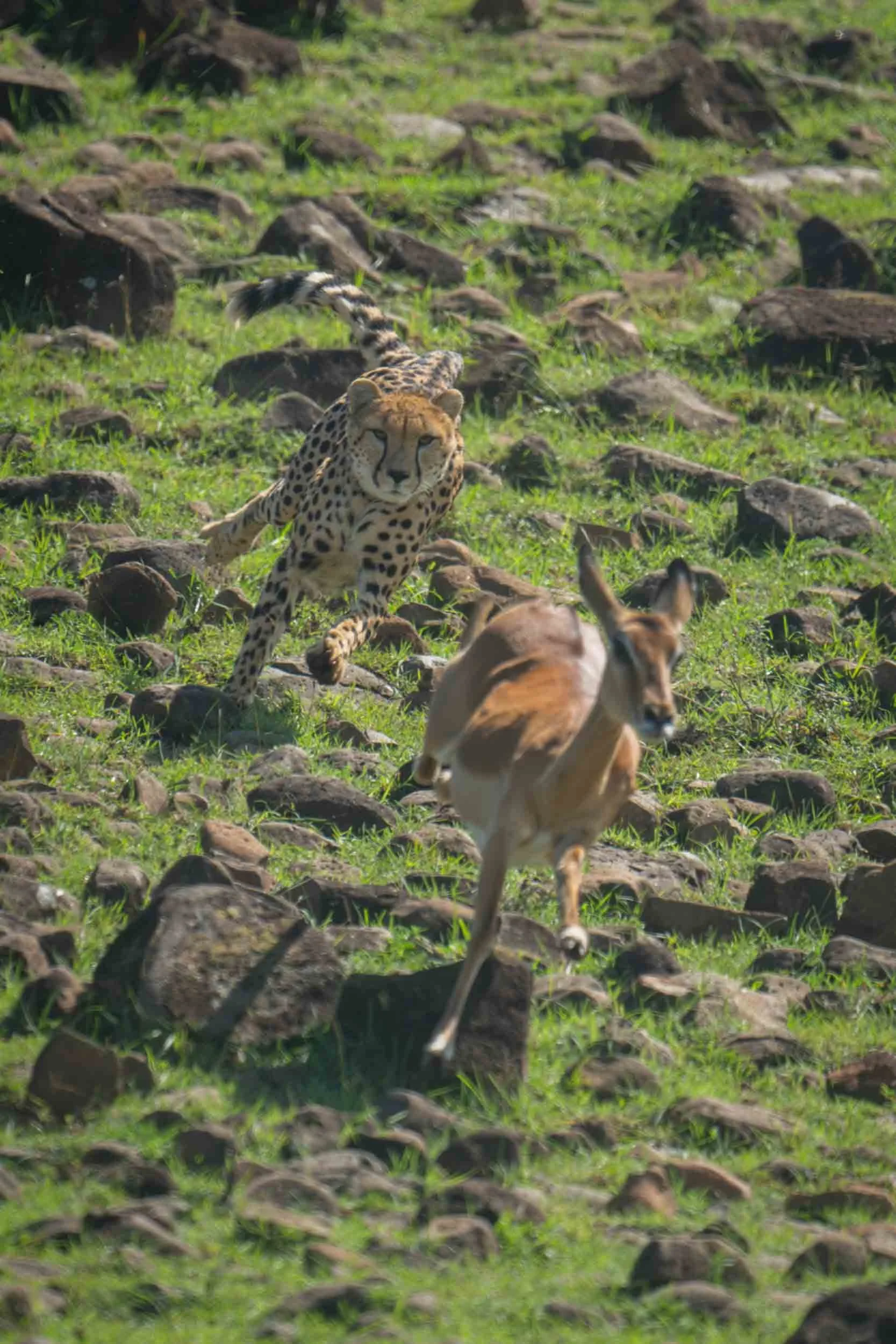
If you’re a first-timer, I’d go to Africa—probably Tanzania or Kenya during the Great Migration. You’ll come home with a memory card full of National Geographic moments, and you won’t have to work very hard for them. It’s a target-rich environment where the animals are often indifferent to your presence.
If you’re a seasoned pro (or a glutton for punishment!), go to India. It’s much cheaper (probably half the price), and the challenge of the jungle might even make you a better photographer. You’ll learn to anticipate movement, to shoot in impossible light and to appreciate the silence. And when you finally get that one shot of a Bengal tiger walking towards you on a jungle track, it will definitely be worth the wait!
In the end, Africa is a Hollywood blockbuster, but India is a three-hour arthouse film. One is spectacular and full of excitement with a high body count. The other is slow-moving, subtle and requires you to read between the lines. Of course, you should really do both if you can afford it. Just make sure you bring a decent mirrorless camera and the right mental attitude…!
If you’d like to order a framed print of one of my wildlife photographs, please visit the Prints page.
If you’d like to book a lesson or order an online photography course, please visit my Lessons and Courses pages.