My Favourite Places: Muchenje
If you love elephants, you’ll love Muchenje…!
Dustbuster (taken from a boat on the Chobe River)
Botswana has more elephants than anywhere else in the world, and Chobe National Park has more elephants than anywhere else in Botswana, so if you like elephants, there’s only one place to go! I’ve been four times now, and my last three trips were to Muchenje Safari Lodge, which is one of my favourite places for wildlife photography.
Getting There
Getting to Muchenje is fairly easy—as long as you go to the right airport. The first time I visited, I misunderstood the advice from one of the owners and flew to Victoria Falls rather than Kasane—and it was a nightmare! There was no direct flight, so I had to fly via Addis Ababa, and Victoria Falls Airport (VFA) is in Zimbabwe rather than Botswana, so I had to negotiate two sets of immigration and customs officials rather than one, so it took forever…
The best way to get to Muchenje from anywhere outside Africa is to fly to Johannesburg O. R. Tambo International Airport (IATA: JNB, ICAO: FAOR) and then to Kasane International Airport (IATA: BBK, ICAO: FBKE). If you’re starting from London, the flight to Jo’burg is around 11 hours, and the connecting flight to Kasane is around two hours.
Kasane is a relatively new airport that was specifically built for tourism, and it’s only about an hour’s drive from the lodge. Muchenje arranges the shuttle ride for you, so you don’t even have to book a taxi or hire a car. When I travel from my home in south-west London, it takes me around 21 hours door-to-door. That might sound like a long time, but it’s pretty good for anywhere in sub-Saharan Africa!
The Lodge
Main area in Muchenje Safari Lodge
The reason I came across Muchenje in the first place was a happy accident. My girlfriend at the time was reading a luxury travel magazine on the train, and—thinking that I might like the wildlife pictures—she gave me the supplement on where to go for an African safari.
I was more interested in the chance of getting free accommodation (!), so I sent off an email with a few credentials and a link to my portfolio, and within a week, one of the owners had invited Miriam and me down to Cobham for an interview.
In fact, it wasn’t really an interview at all. When we arrived, Shaun asked us if we preferred a glass of wine to a cup of tea, and his wife laid out a huge spread of hors d’oevres on the coffee table! We had a very nice chat for an hour or so, and when we left, I actually had to check with Shaun if I’d got the job. He said yes—and that was the start of a beautiful friendship…!
Shaun wanted photos of the lodge in the ‘green season’ and the ‘dry season’, so I eventually ended up spending three weeks there in May 2022, followed by another three weeks in October. The main difference is in the level of the river. In the green season, the rains cause it to flood, which creates a floodplain several miles wide. In the dry season, it shrinks to no more than a few yards in width.
The game viewing is pretty similar during both seasons, with plenty of elephants (of course!), plus a few lions and leopards (if you’re lucky). Outside the Big Five, you can see all the usual suspects, including the African wild dog, Cape buffalo, hippopotamus, common waterbuck, greater kudu and Nile crocodile. If you’re more interested in the birdlife, you can find a few iconic species, including the African fish eagle and lilac-breasted roller, plus a host of waterbirds along the river.
If you want to maximise your time watching or photographing the wildlife, it’s best to go out on an early morning game drive, then a boat ride at lunchtime, followed by another game drive in the late afternoon. If you’d like to find out more, I suggest you read one or two of my blog posts about Muchenje (here, here and here). In addition, you can find galleries of my favourite images (here, here and here).
Main Area
The bar in the main area
Like most African safari lodges, Muchenje is laid out with several self-contained guest rooms on either side of the main area, which contains a bar, restaurant and lounge. In addition, there’s a swimming pool and campfire pit outside, plus various seating areas on different levels of the escarpment, all looking out on to the Chobe River.
One of the key selling points of Botswana is the amazing colours in the sky at sunset, so it’s well worth sitting somewhere with a gin and tonic in your hand to watch the sun go down…!
Rooms
Family room
Muchenje Safari Lodge has 11 thatched guest cottages, including one larger, two-storey family room. Each has an en-suite bathroom and a private veranda with panoramic views of the Chobe River, and they’re all within easy walking distance of the main lodge.
Travelling to Africa can be rather frustrating when you have to deal with power outages or a lack of Wi-Fi or hot and cold running water, but Muchenje is a four- or even five-star lodge (depending on who’s doing the rating!), so you shouldn’t have too many problems. The worst issue I’ve ever had to deal with was occasional Wi-Fi outages—but that just meant I couldn’t read the paper on my iPhone for a couple of days!
Daily Routine
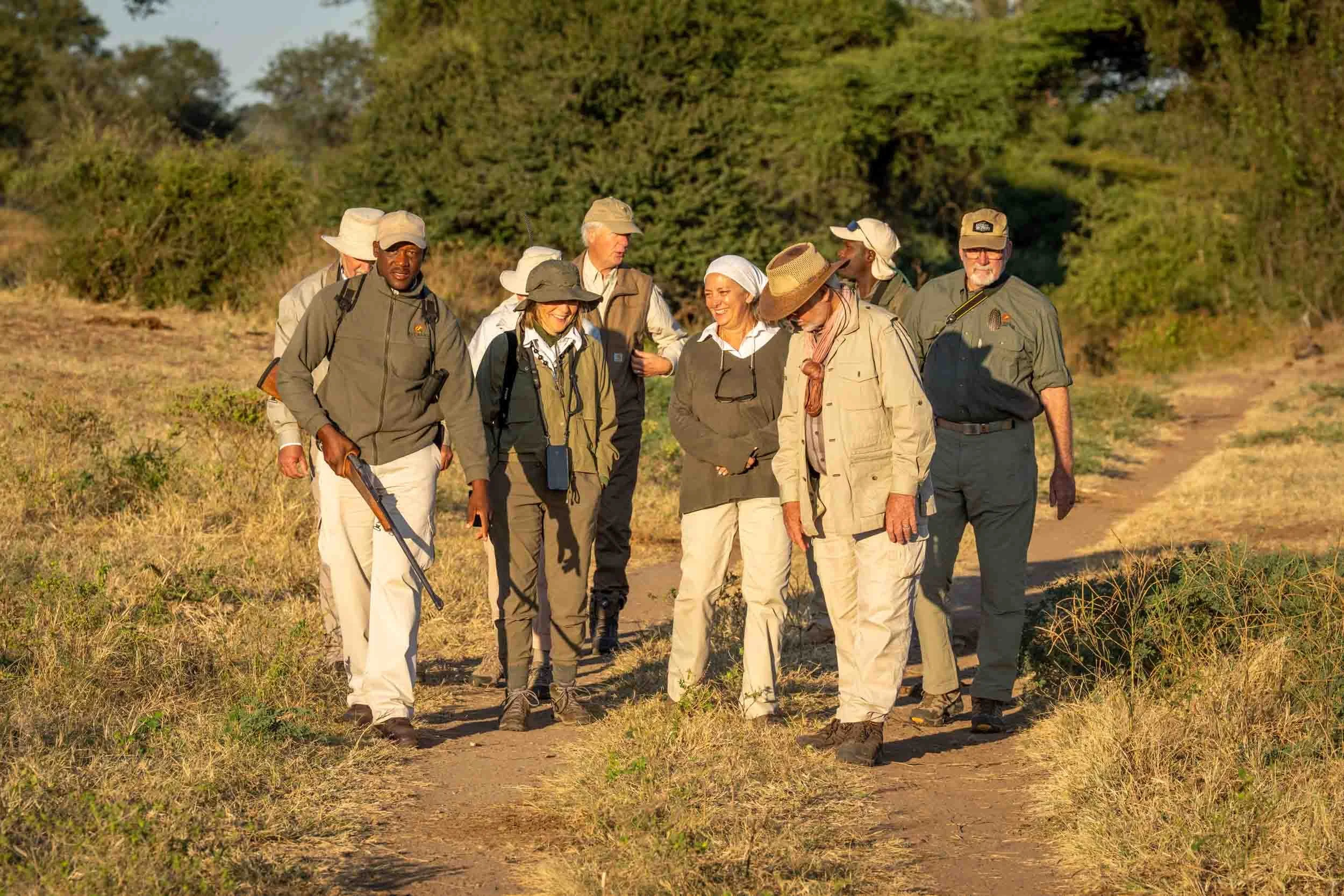
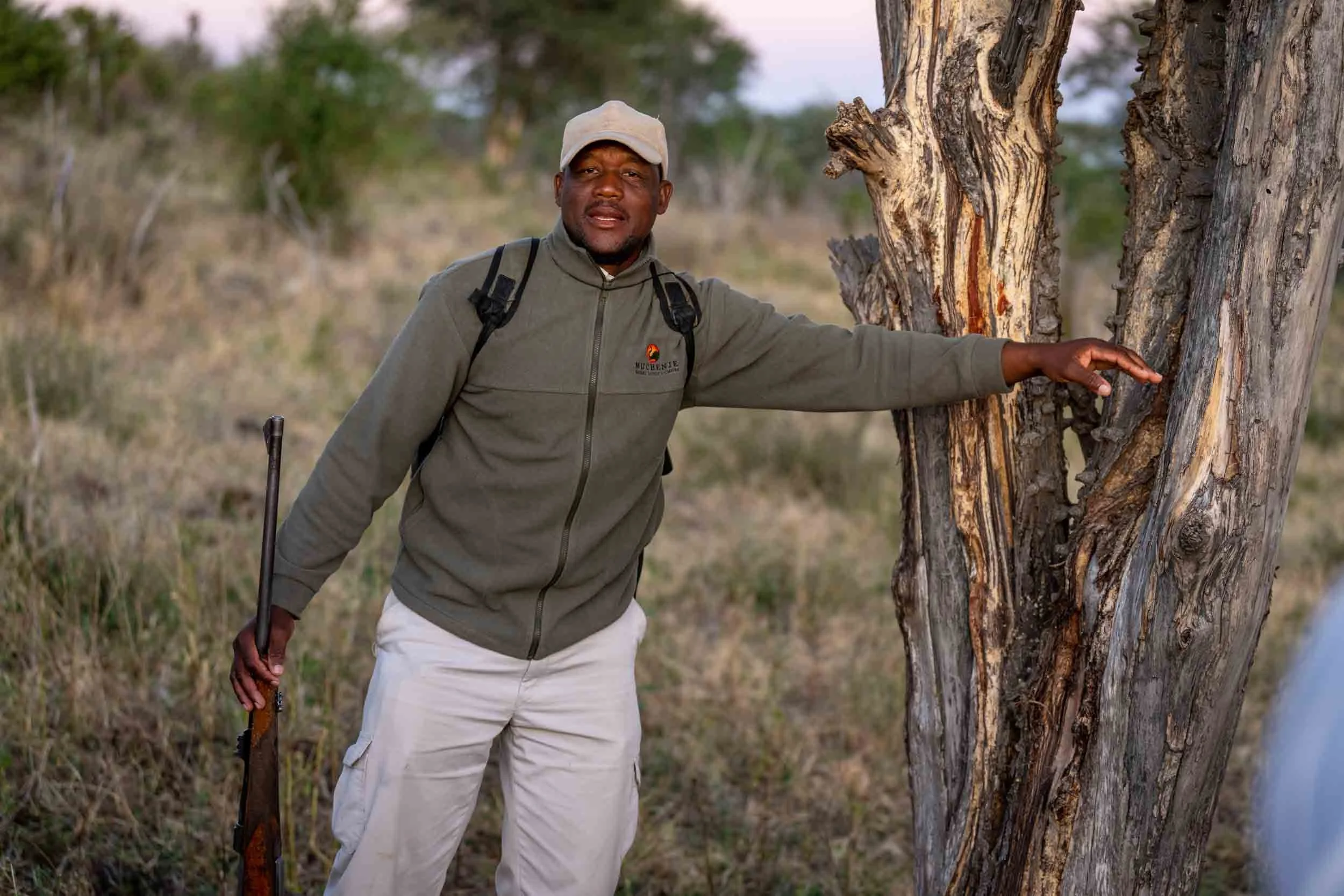
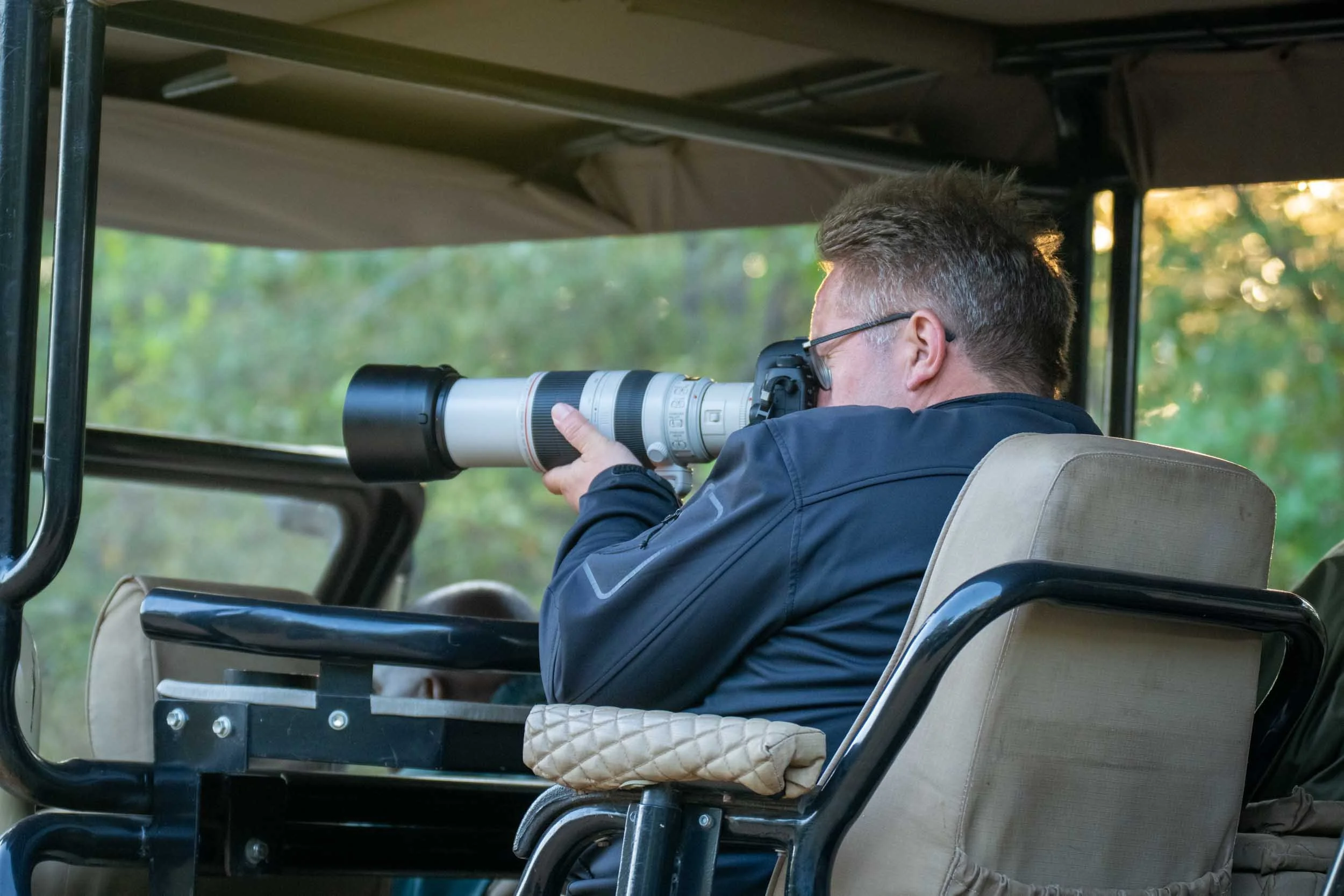
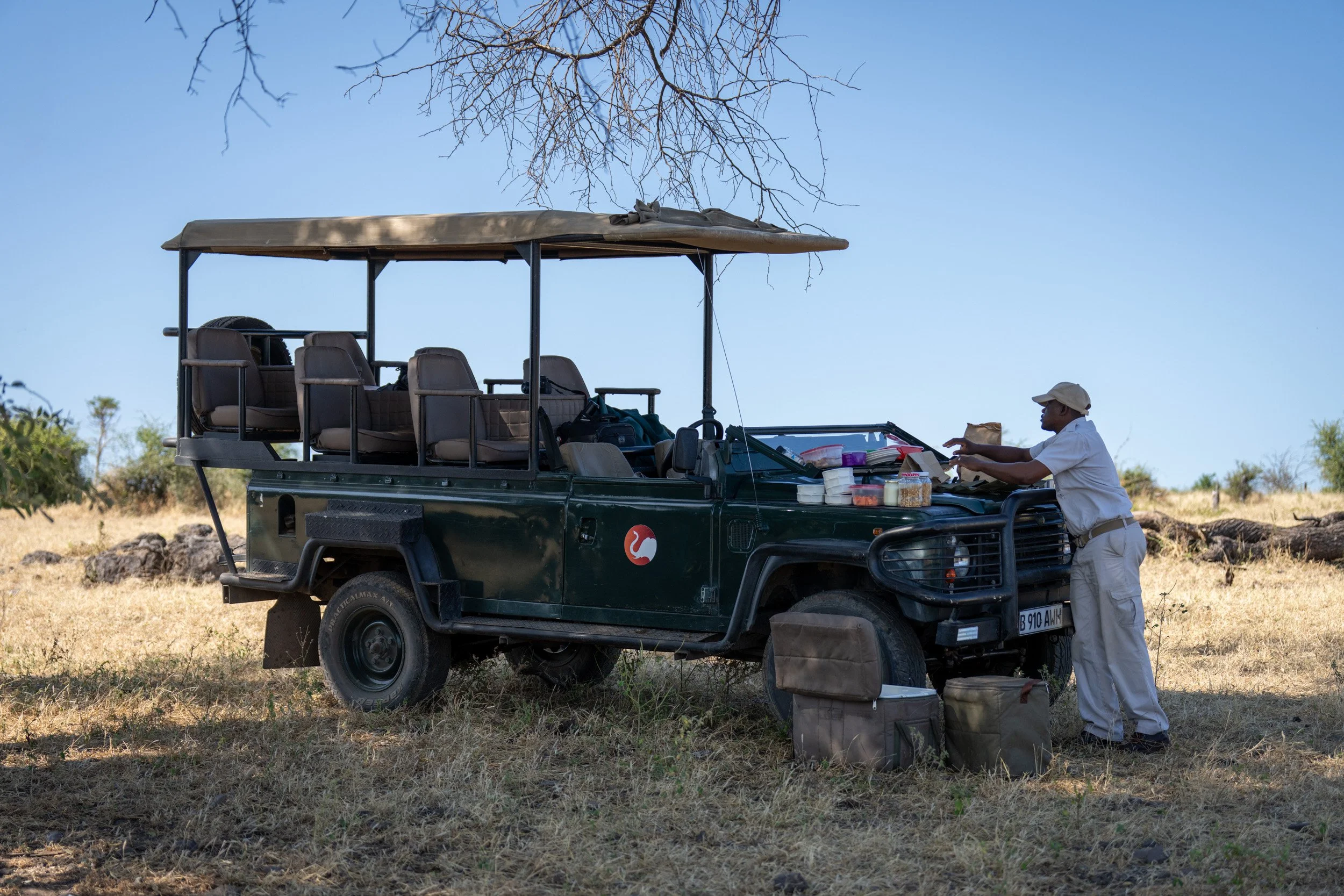
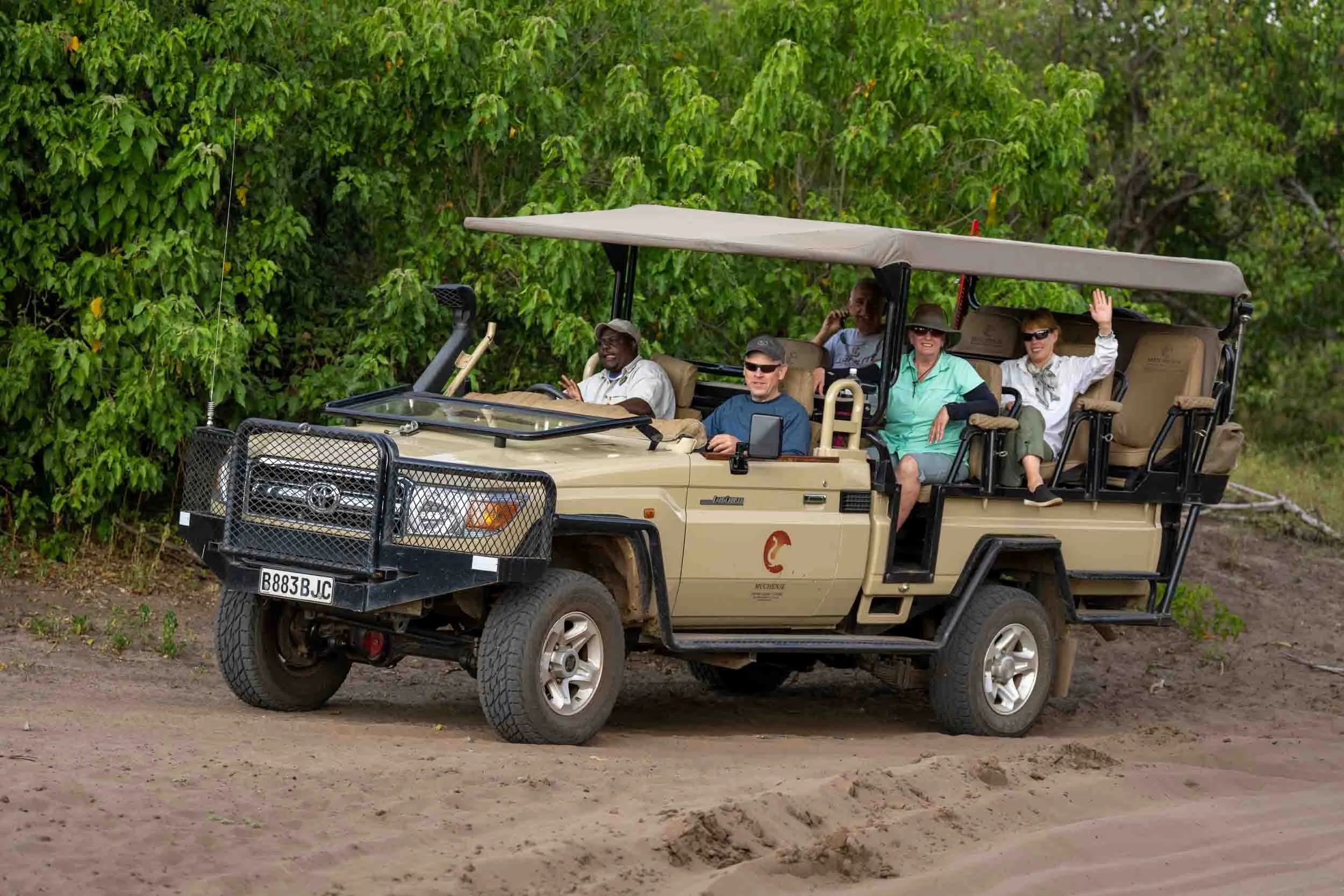
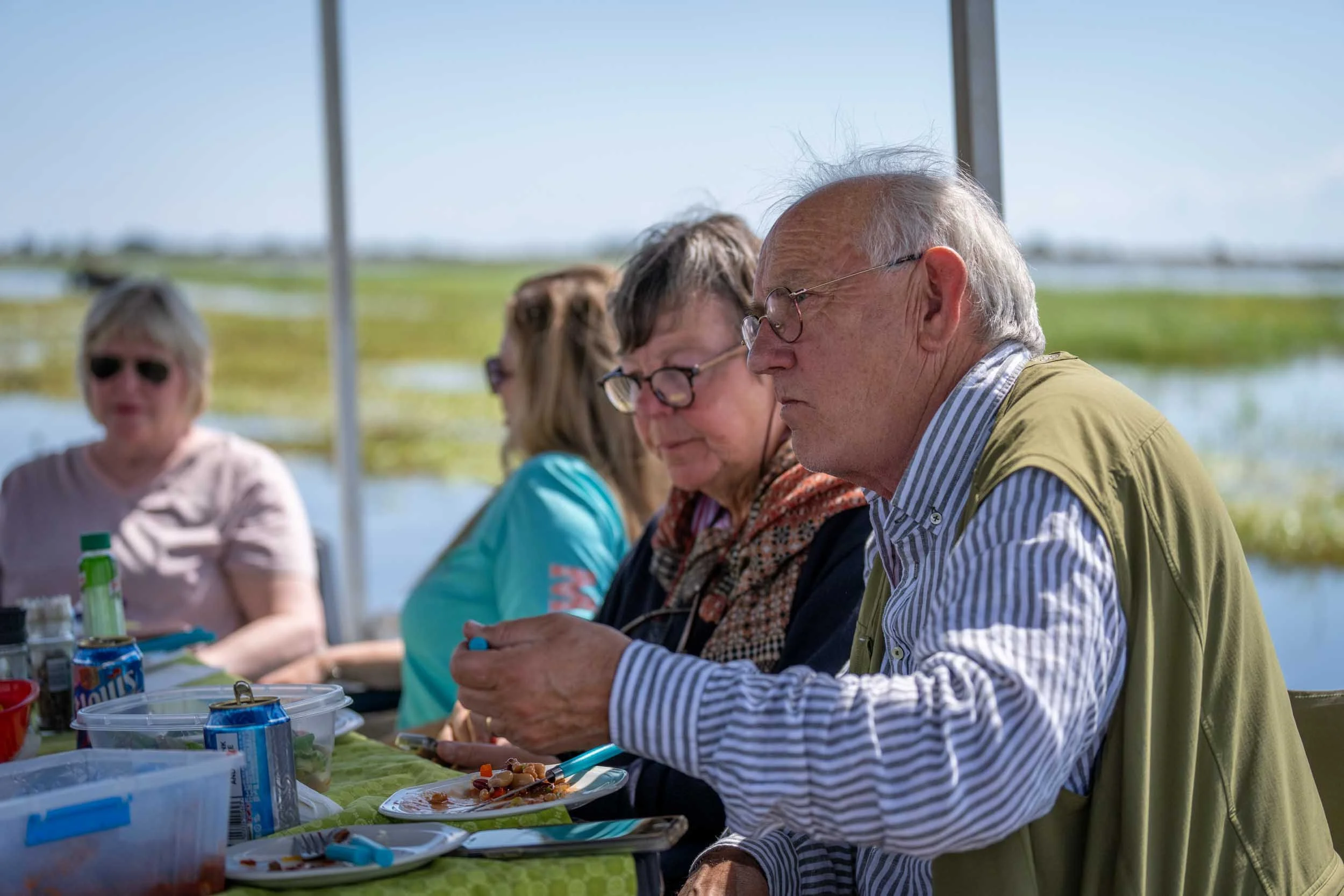
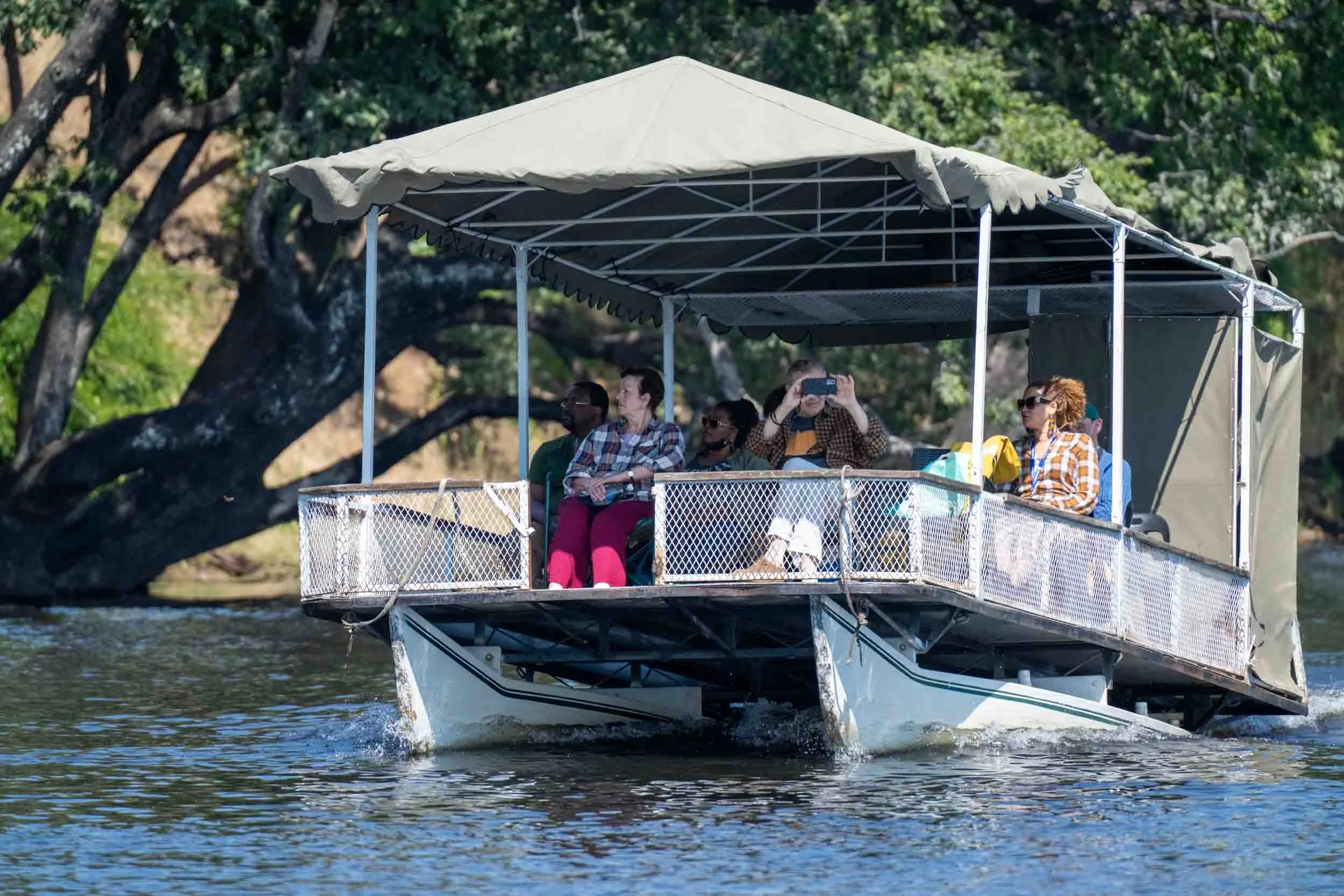
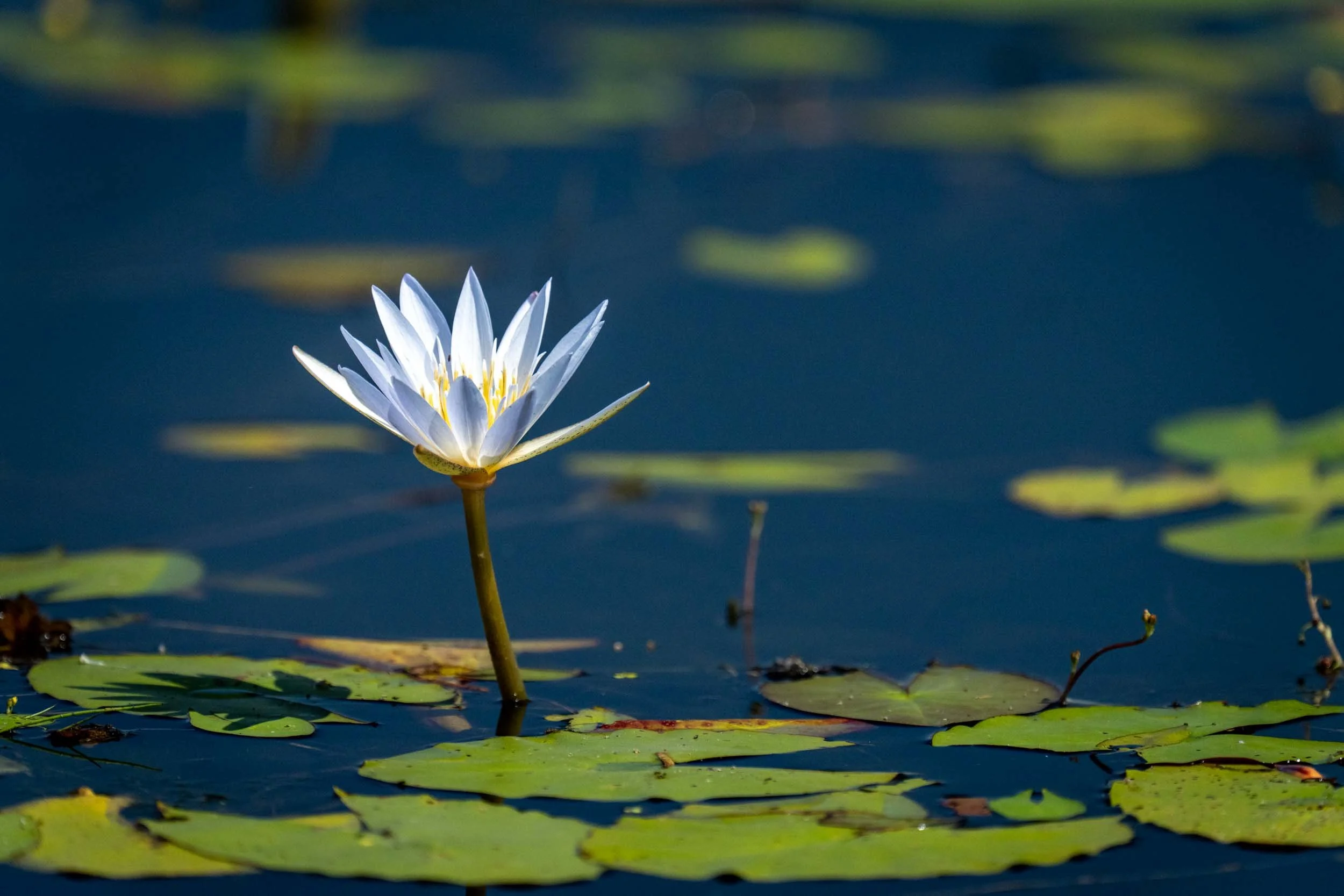

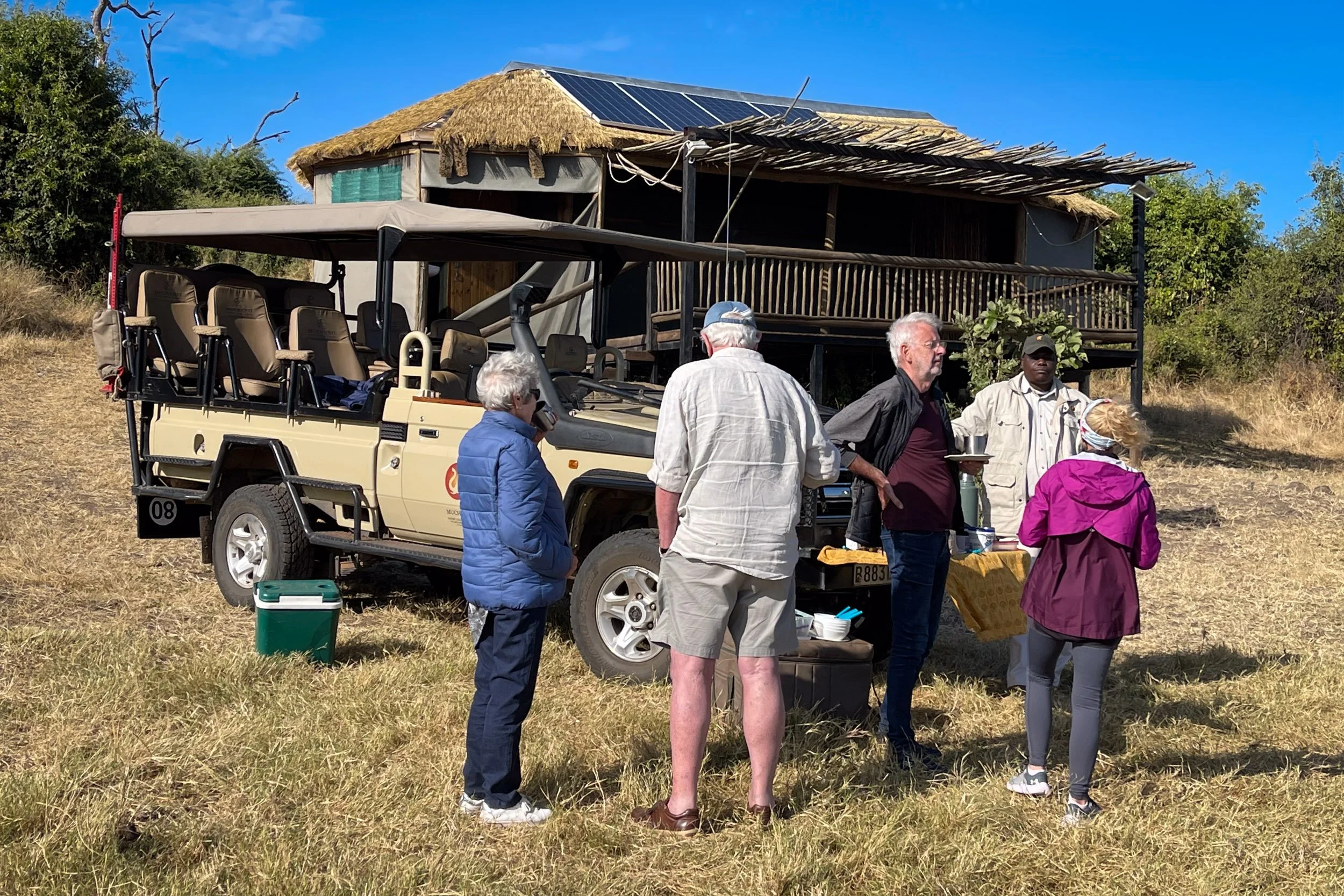
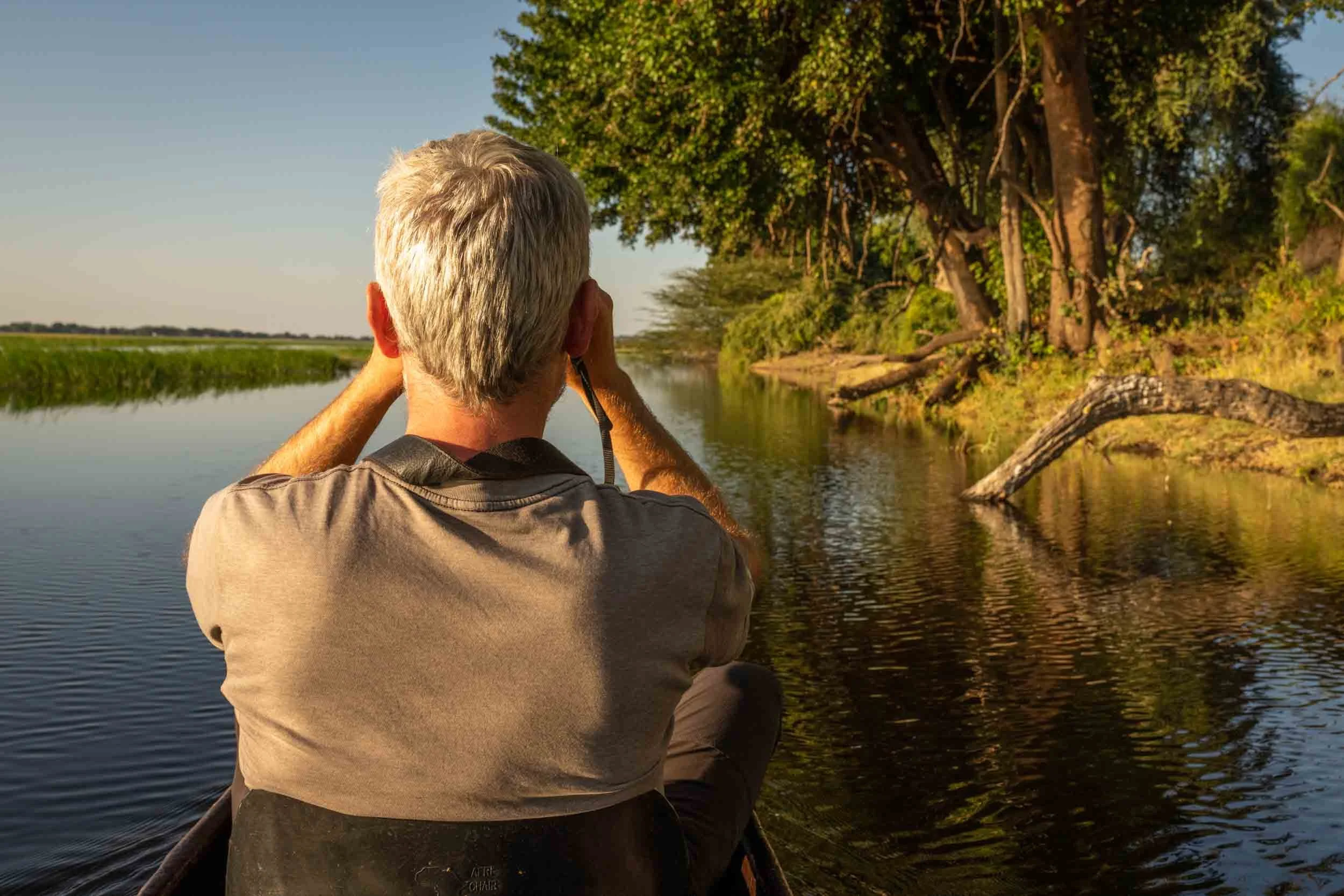
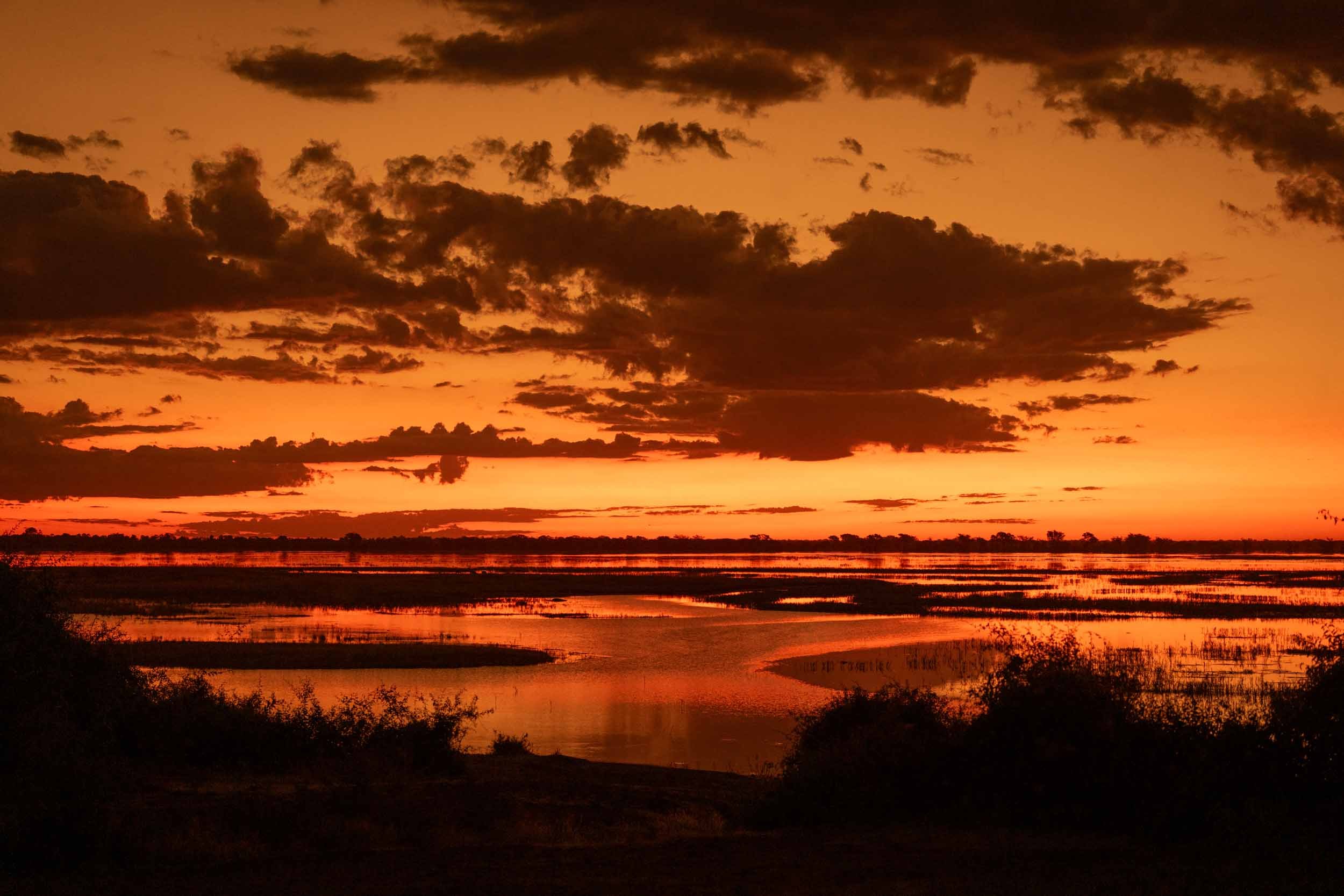
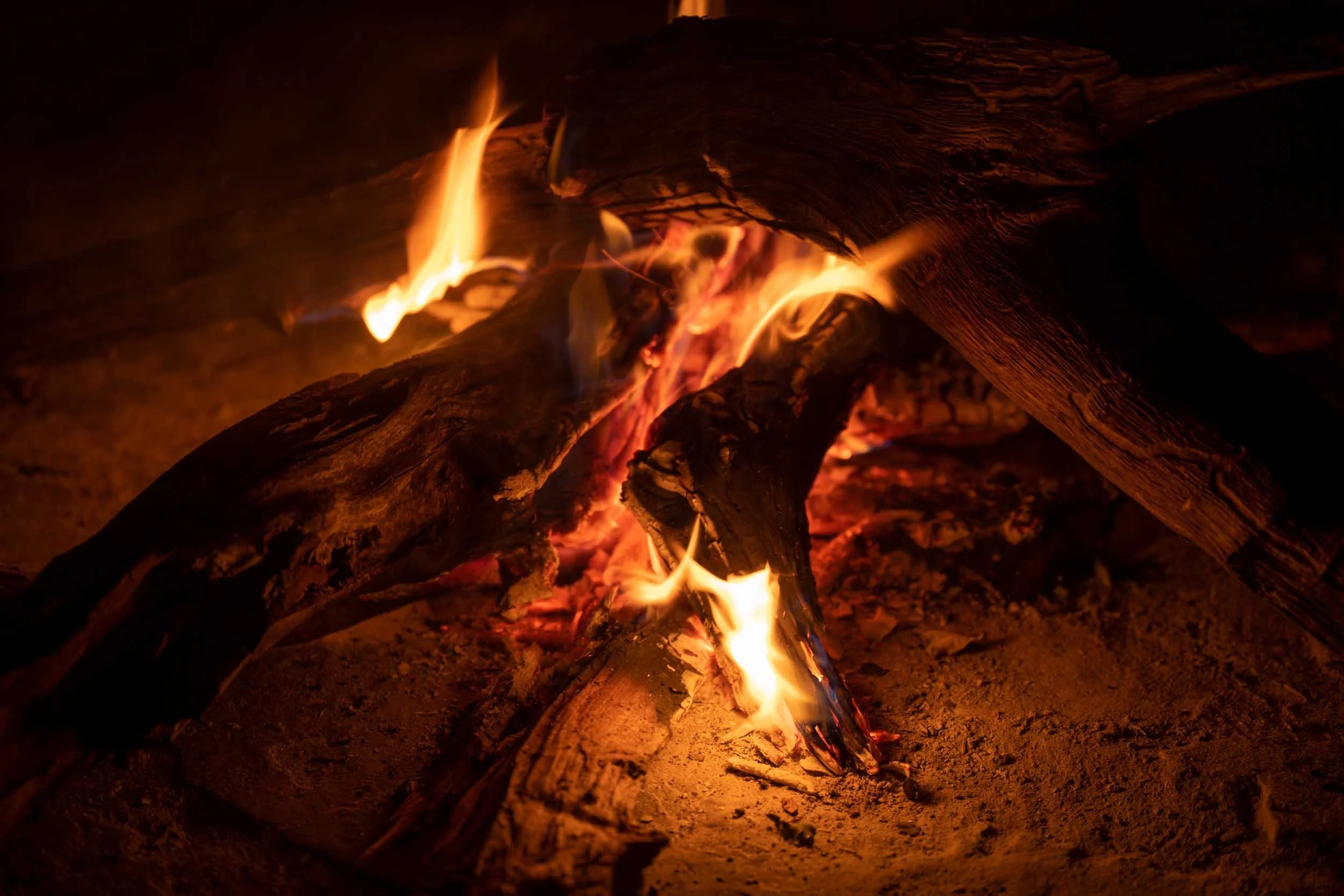
The usual daily itinerary at Muchenje was pretty similar to the one at most African lodges—with the exception of the boat ride!
0600-0800 Morning game drive (or nature walk)
0900-1000 Buffet breakfast
1000-1400 Boat ride with a picnic lunch
1400-1800 Afternoon game drive (or mokoro ride)
1800-1930 Drinks and nibbles at the bar
1930-2100 Dinner.
It’s up to the guests to decide what they want to do each day, and everything is usually arranged by the guides over dinner the night before. If you decide to go on the boat ride, that means leaving at 1000, driving for an hour to Kasane and then spending around four-and-a-half hours going up and down the Chobe river on a canopied boat with movable canvas seats. There’s a picnic lunch on the boat, and then the guests can transfer to a couple of jeeps to go on the game drive.
Other possibilities include a nature walk in the early morning with one of the guides, lunch at the riverfront property at Ihaha (if there’s enough water in the channel!) or a ride in a fibreglass ‘mokoro’, which is a kind of local canoe. Alternatively, you can just relax by the pool or have a drink and a chat in the lounge or at the bar.
All things are possible…!
Food and Drink
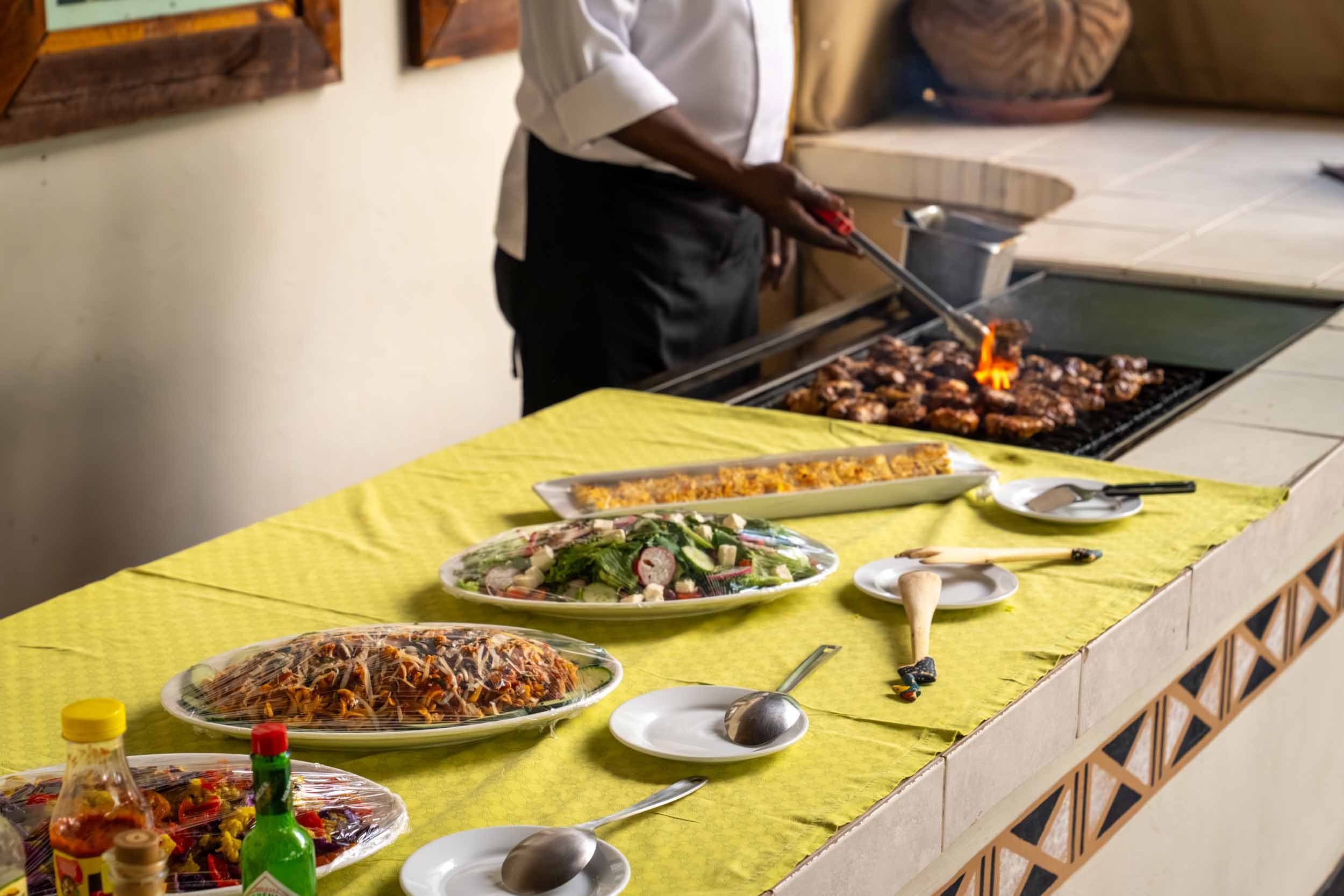
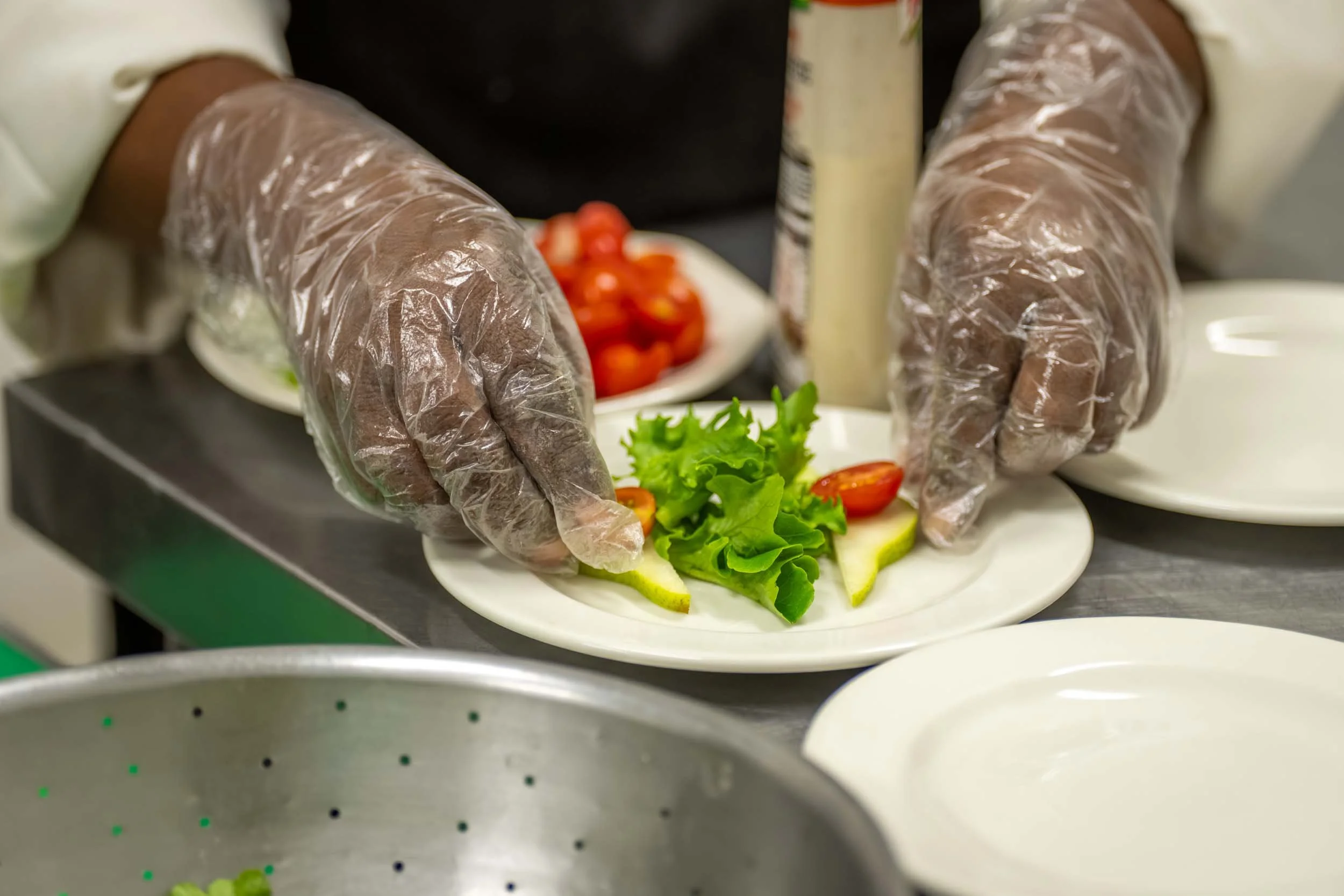
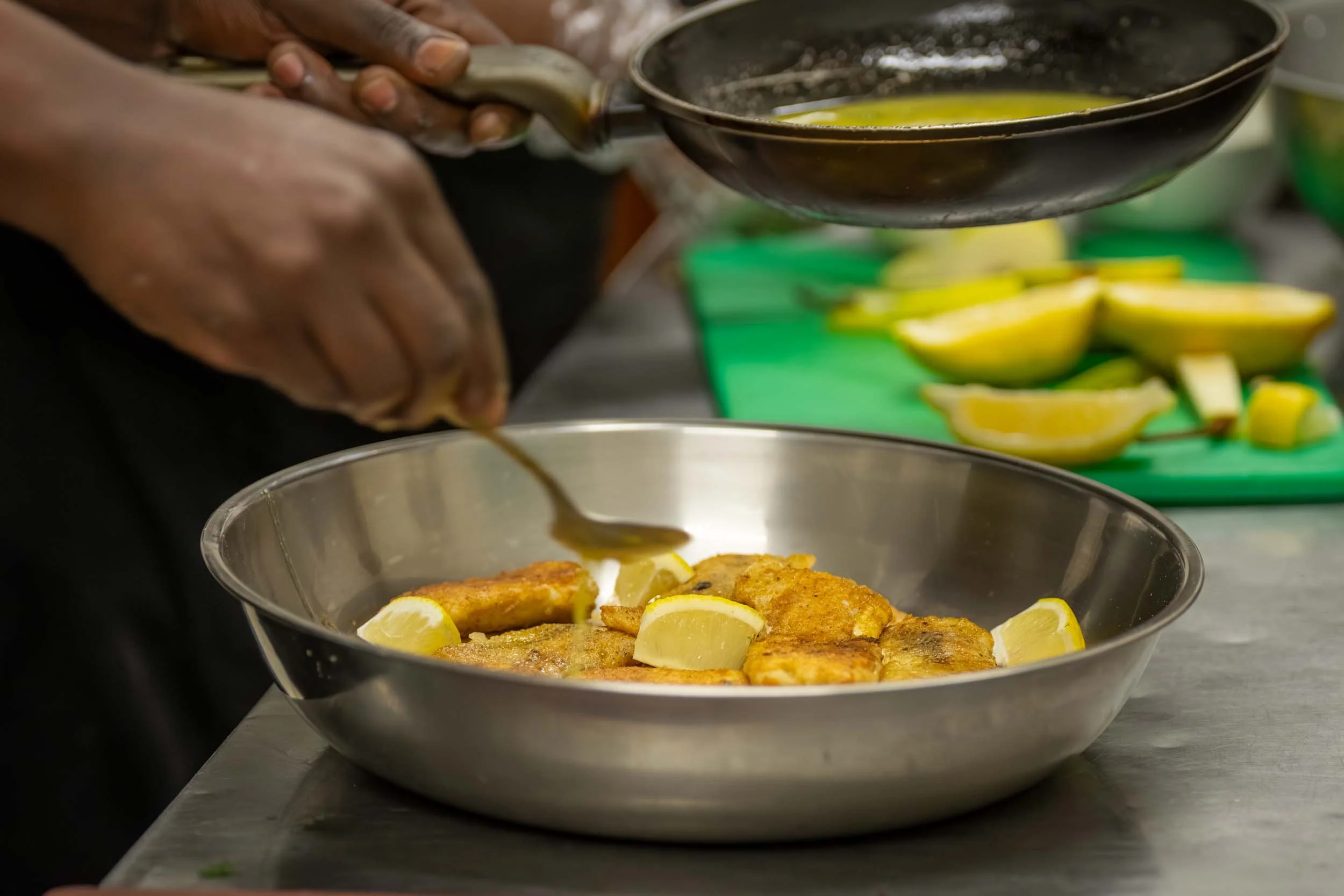
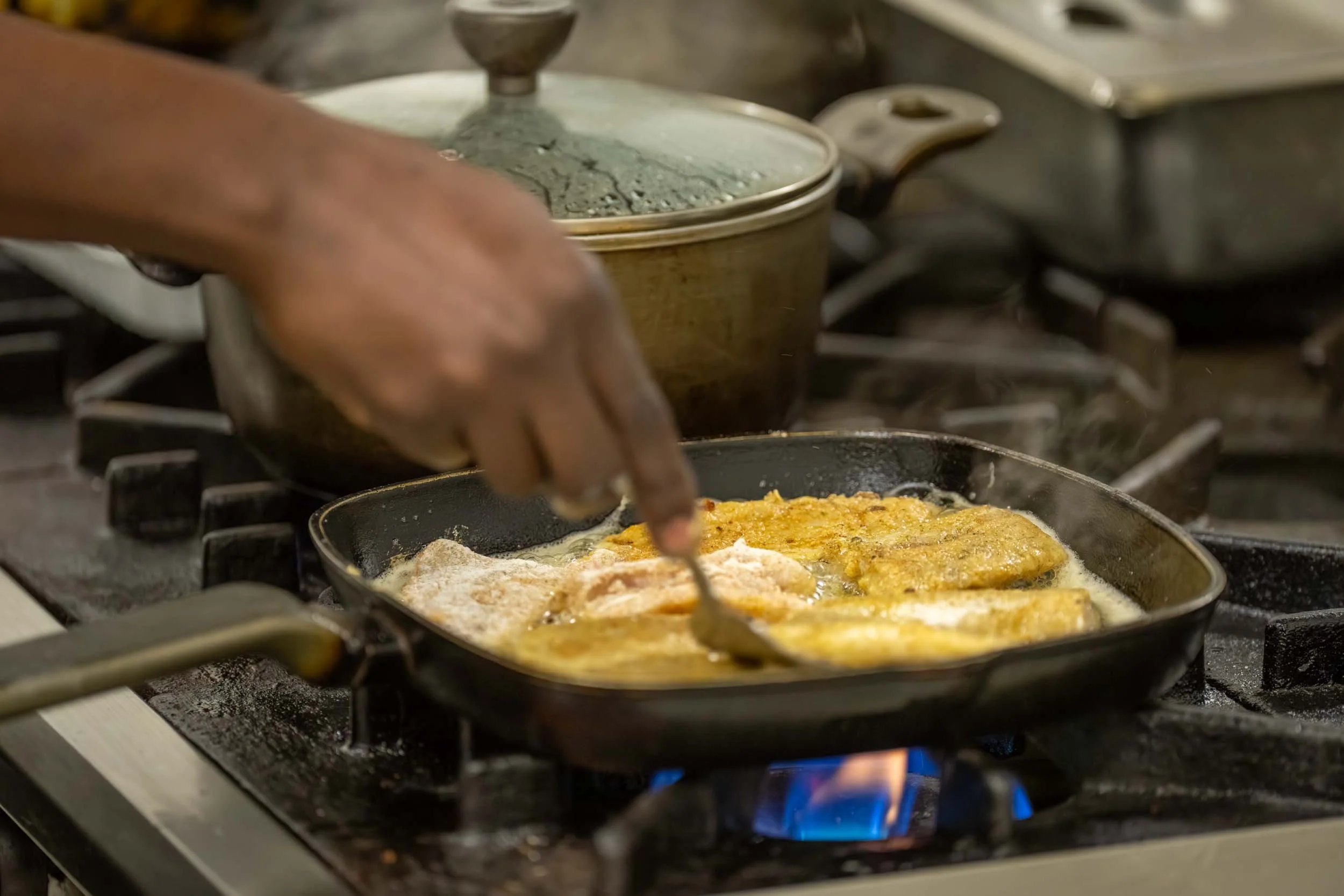
One of my pet hates about going on safari is having to eat from a buffet morning, noon and night, and I’m afraid Muchenje is no different. Having said that, the food is perfectly fine, and I even had beef Wellington once, which is one of my favourites!
The meals in general offer standard Western hotel food—except if there’s a special ‘braai’ or ‘African night’. Breakfast usually consists of a medley of cold dishes, including fresh fruit, muesli and yoghurt, plus a kind of English breakfast station, including eggs, sausages, bacon, mushrooms and baked beans. You can help yourself to whatever you fancy from the buffet and order your eggs and all the trimmings from the staff.
At lunch and dinner, the starters and desserts are plated and served at the table, but you have to go to the buffet for your main course. Like a lot of safari lodges, Muchenje offers some excellent hot and cold soups to start, and the main course is usually some kind of meat dish with vegetables and salads to go with it. The dessert often involves cream or ice cream, and banoffee pie is a perennial favourite!
However, the best part about the food at Muchenje is the nibbles you get after the afternoon game drive. There’s always a basket of delicious snacks and dips available at the bar, and they’re the best I’ve ever had at a safari lodge! It’s a great way to socialise over a drink after a long day, so it’s always something to look forward to…
When it comes to drinks, there’s a fully stocked bar at Muchenje, so you can drink pretty much whatever alcoholic beverages you like. However, most of the wine comes from South Africa, so you won’t get any Château Lafite-Rothschild! In addition, the soft drinks are a little uninspiring. They don’t offer fresh fruit juice (let alone my favourite mango lassis!), and they don’t have a proper coffee machine, so you won’t be able to enjoy a double espresso or cappuccino over breakfast.
Oh, well…
Staff
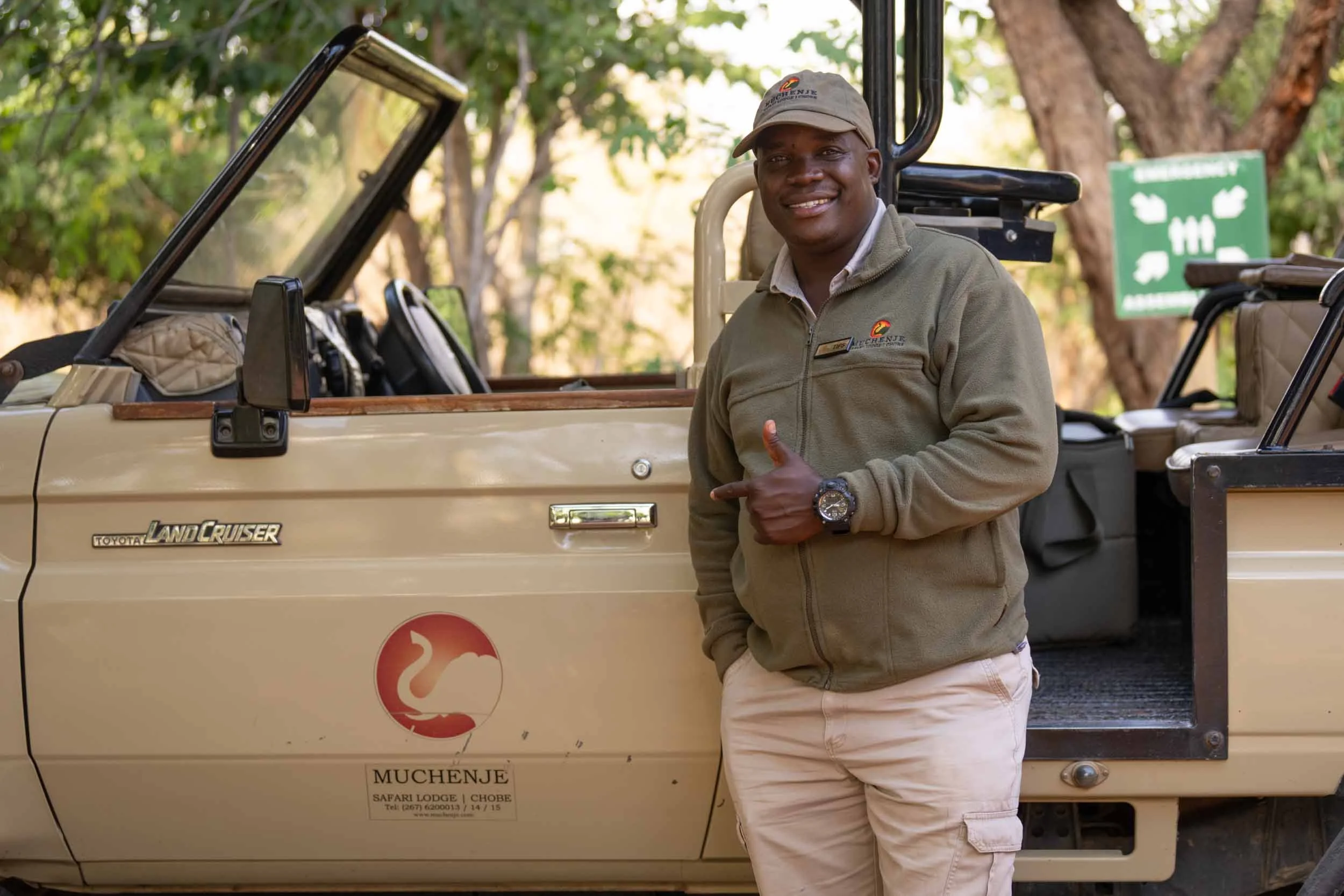
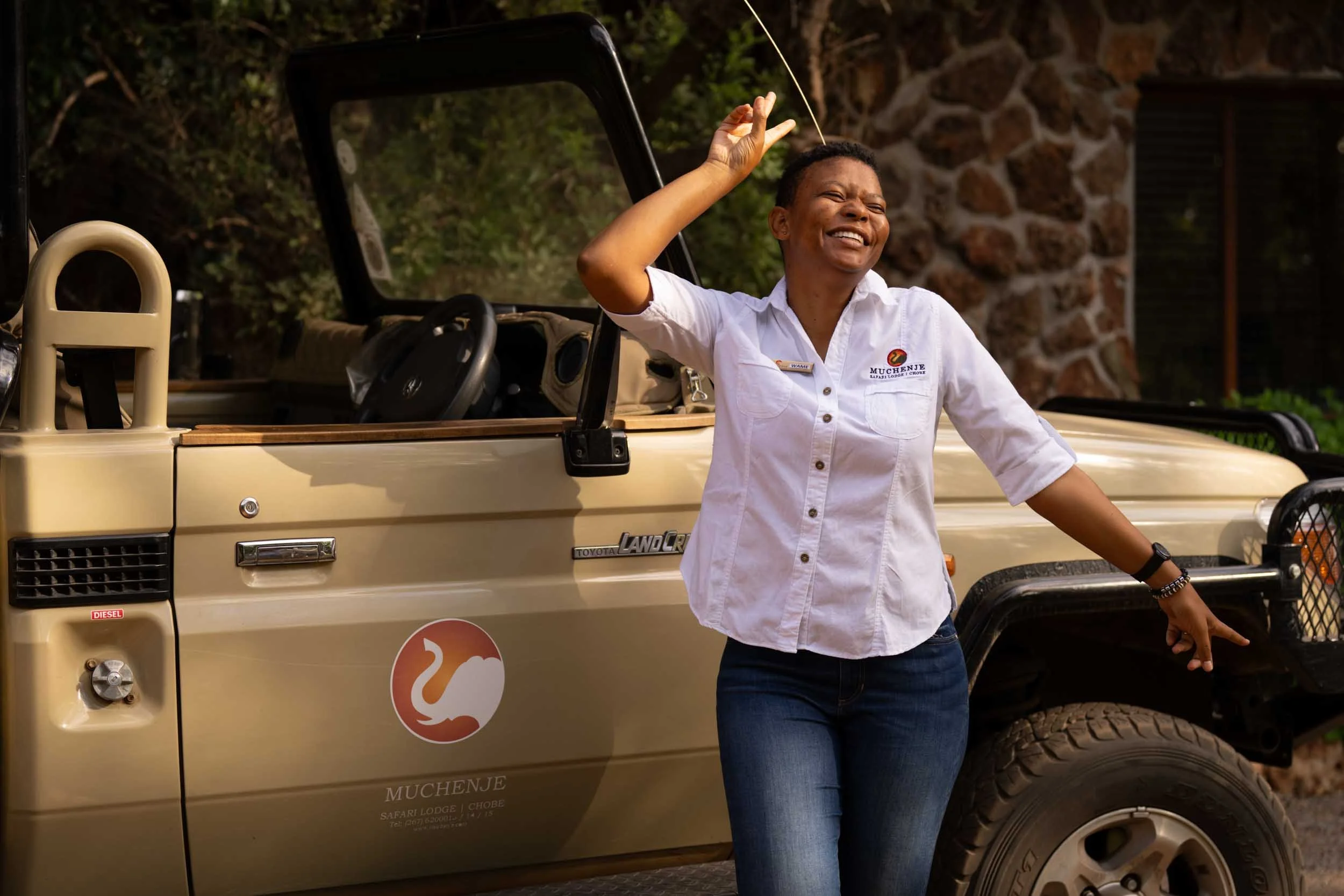
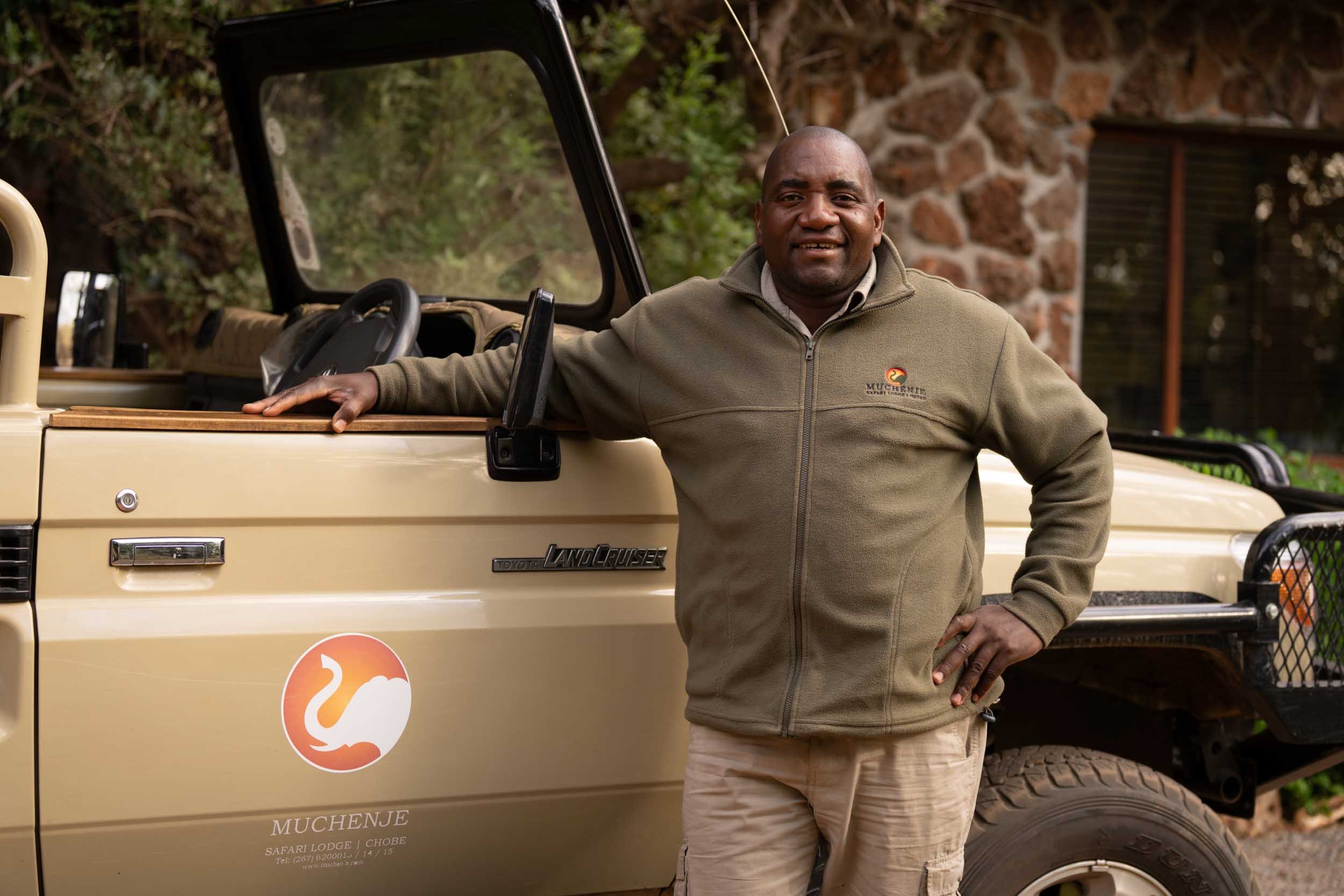
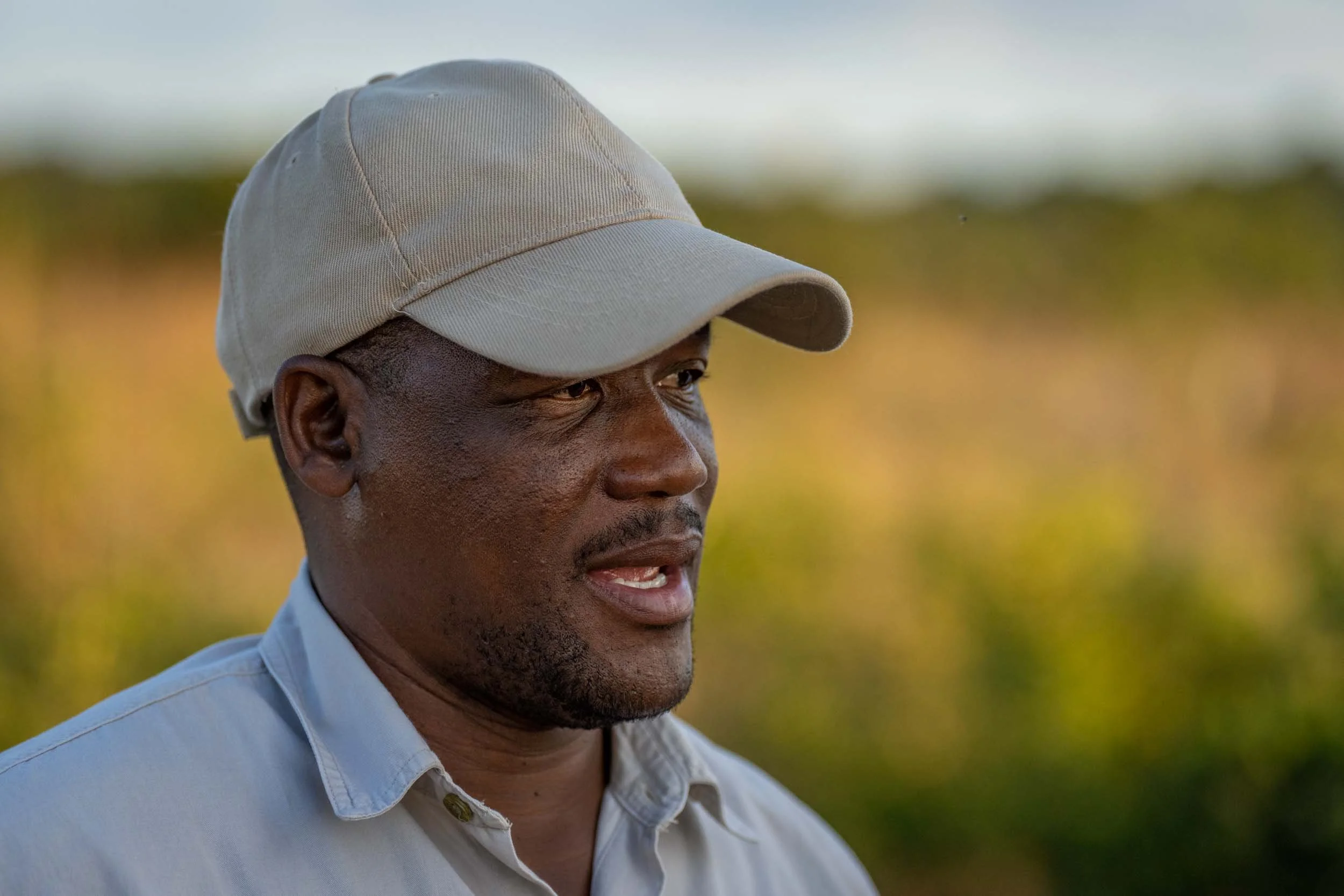
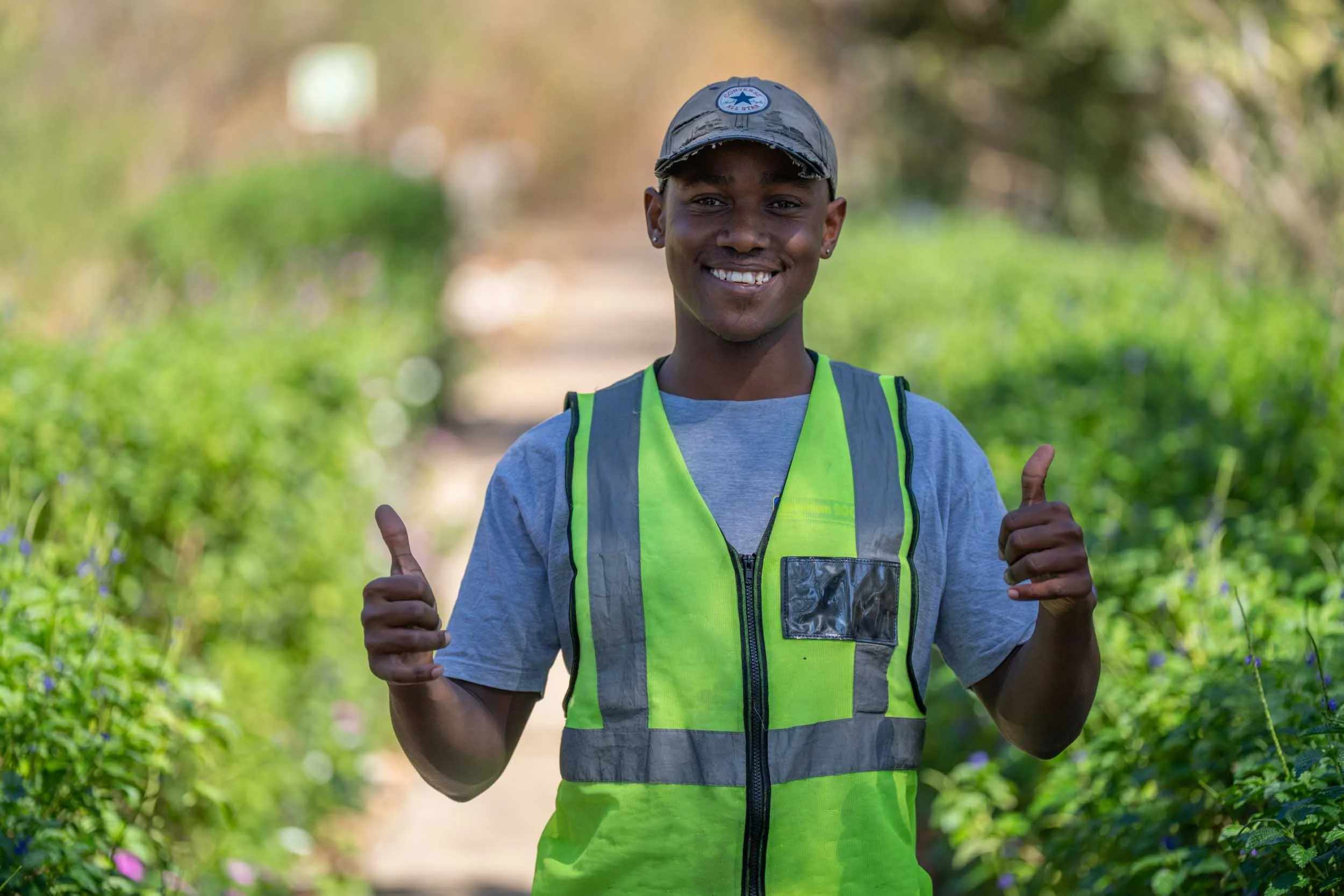
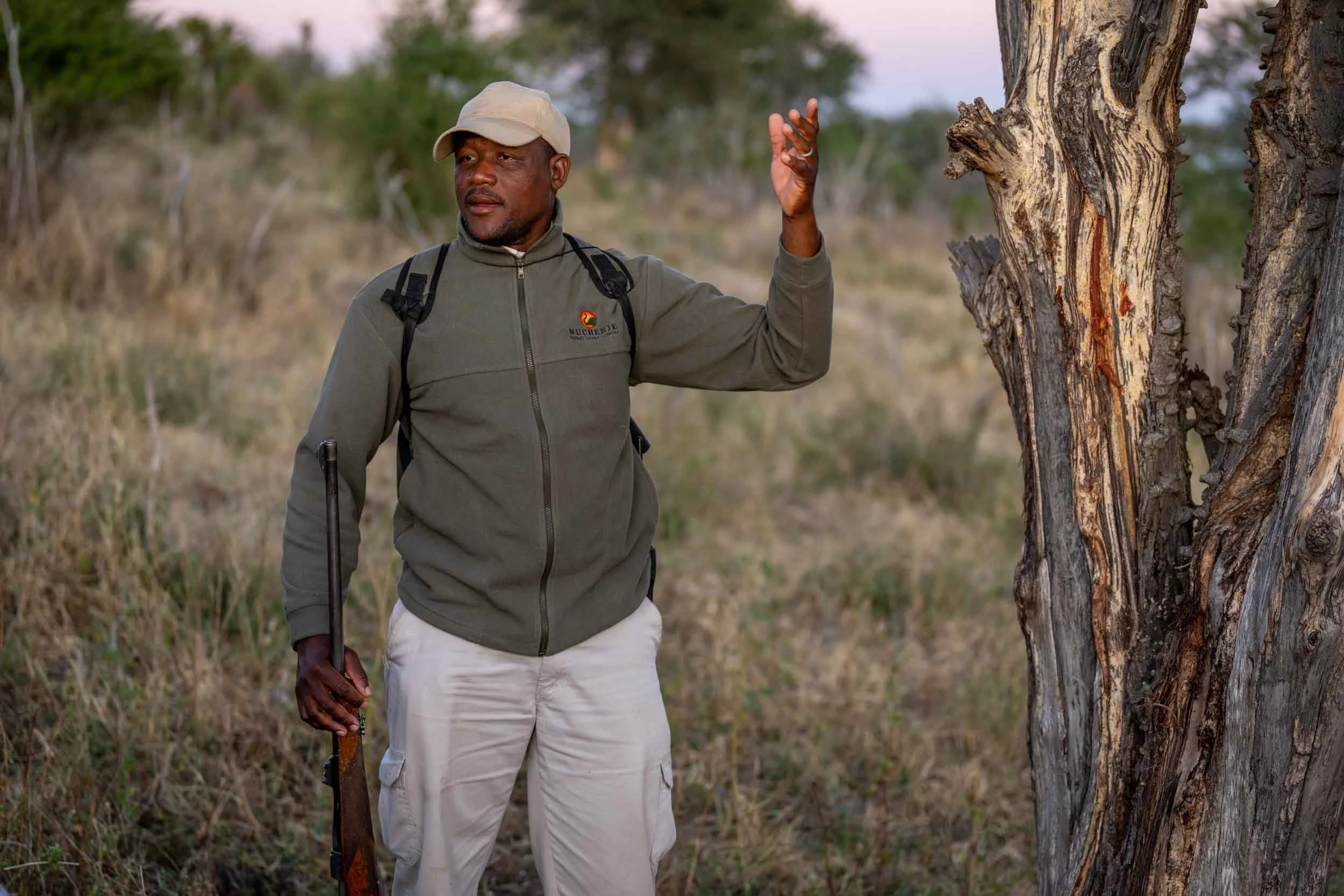
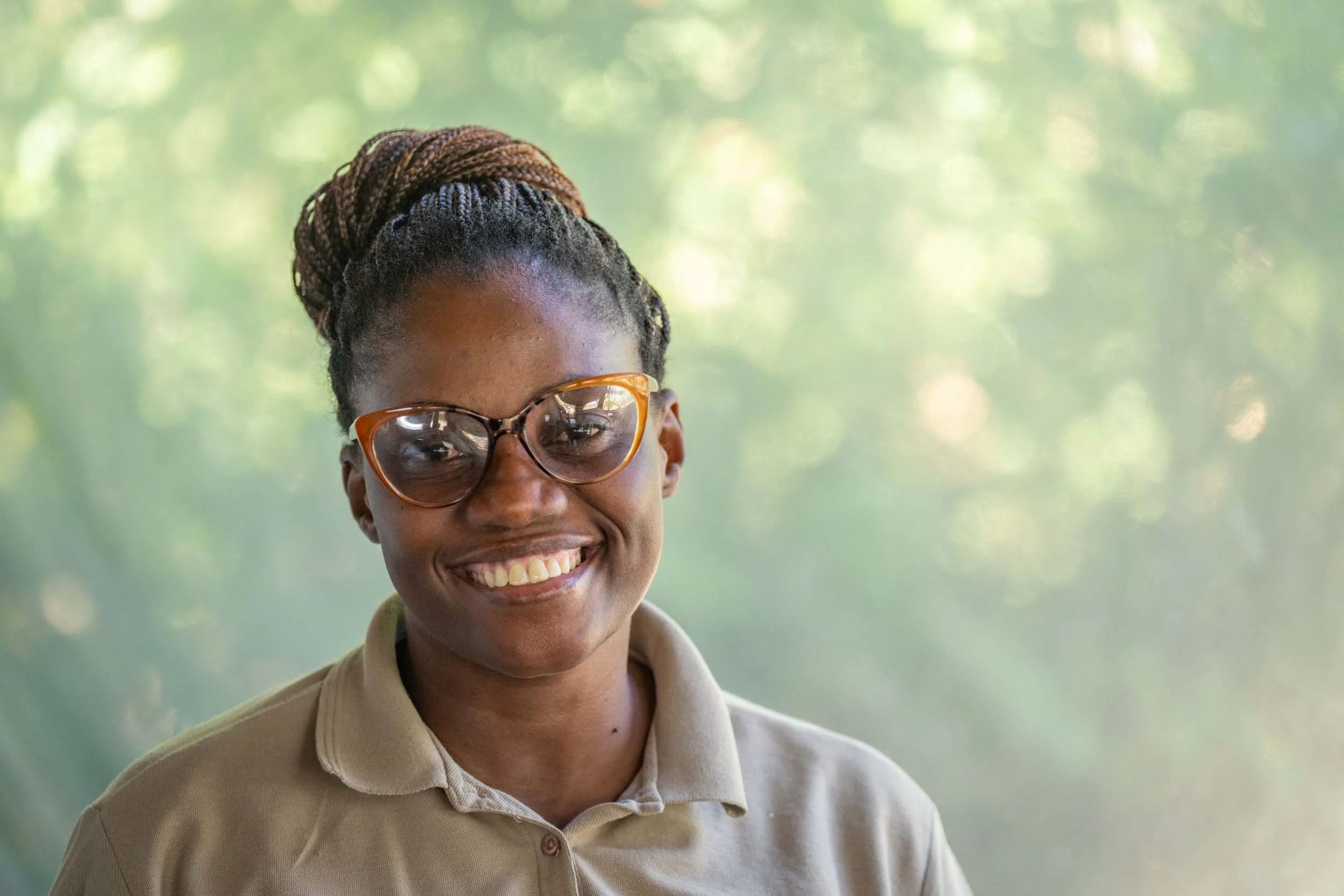
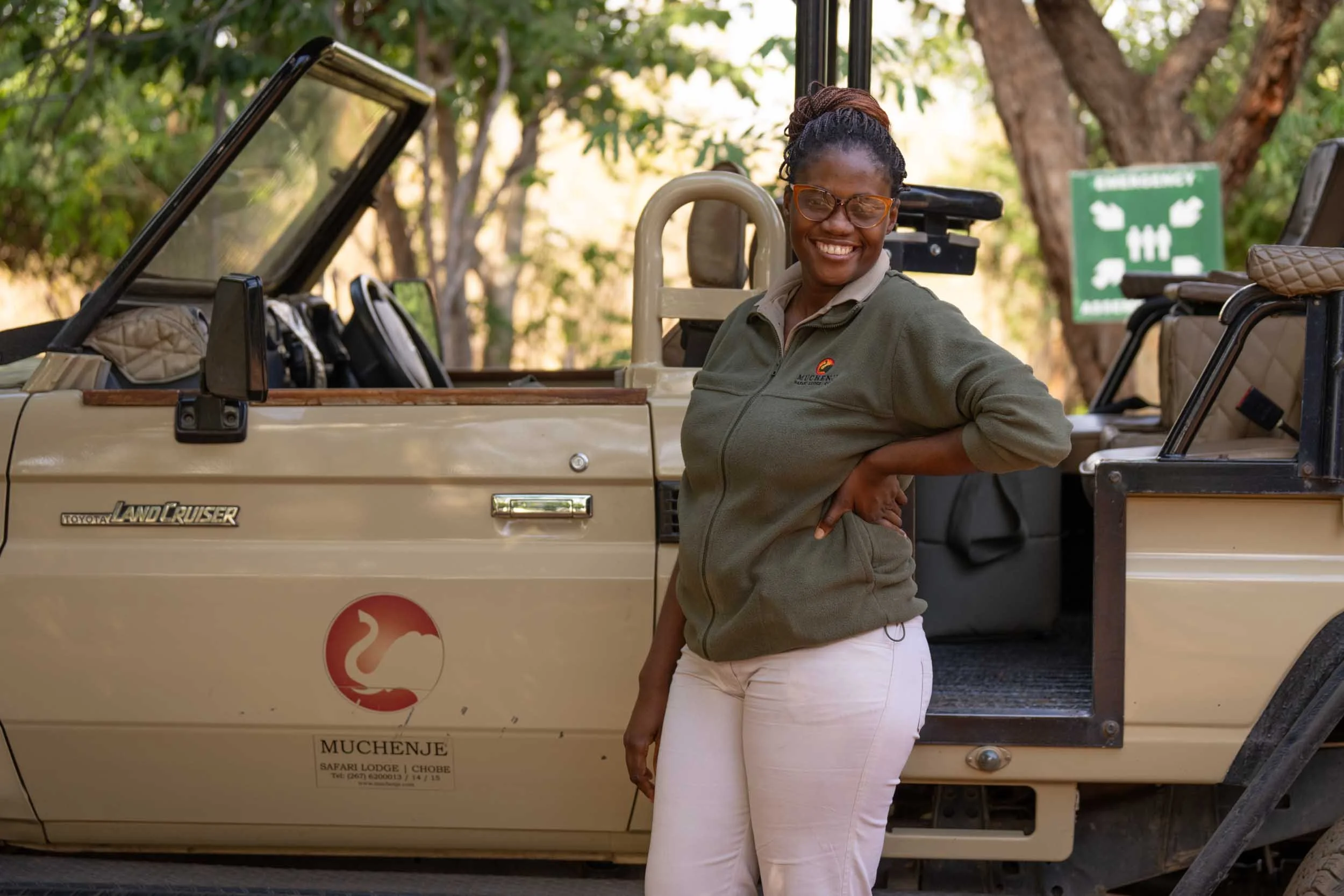
The first thing about the staff I should probably mention is that most of them have weird names! However, there’s a good reason for that. It’s because their local Setswana names are pretty difficult for guests to pronounce, so they all use nicknames, such as Tips, Lips, KB and Rambo. (I know, I know…!)
Having said that, they’re all lovely people. The guides are incredibly knowledgeable, but also unfailingly friendly and helpful. The same goes for Tshepo, the barman, and all the kitchen and wait staff. I don’t think I ever even heard the word “No”…!
I also got on very well with Toff and Kiddy, the couple who used to run the lodge. They set the tone for the whole place, and it was a common occurrence for Kiddy to give a hug to departing guests. Heck, even I got a hug once…!
Sadly, they’ve both moved on now. They were big shoes to fill, but the new manager, Evelyn, is perfectly nice and helpful.
Guests
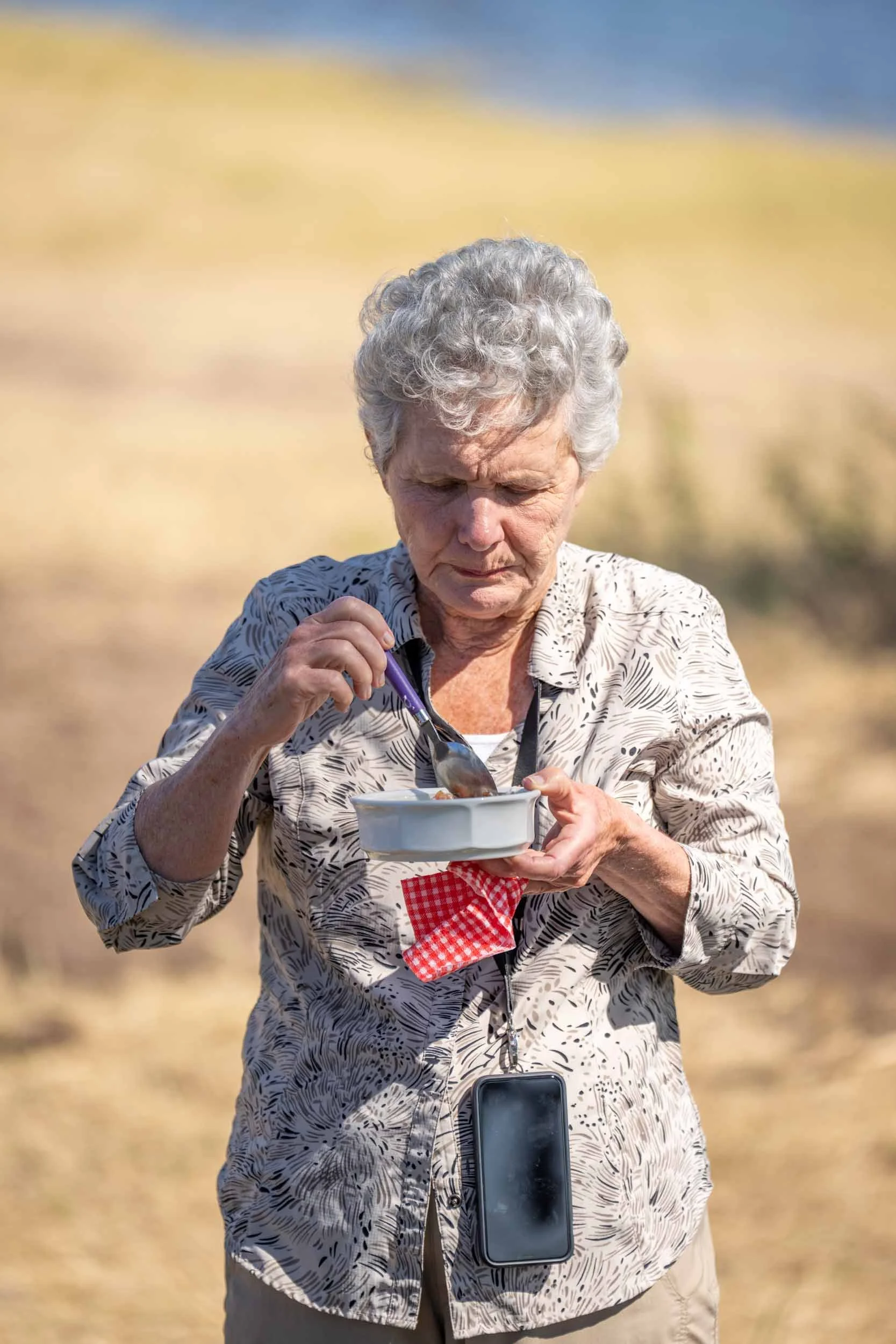
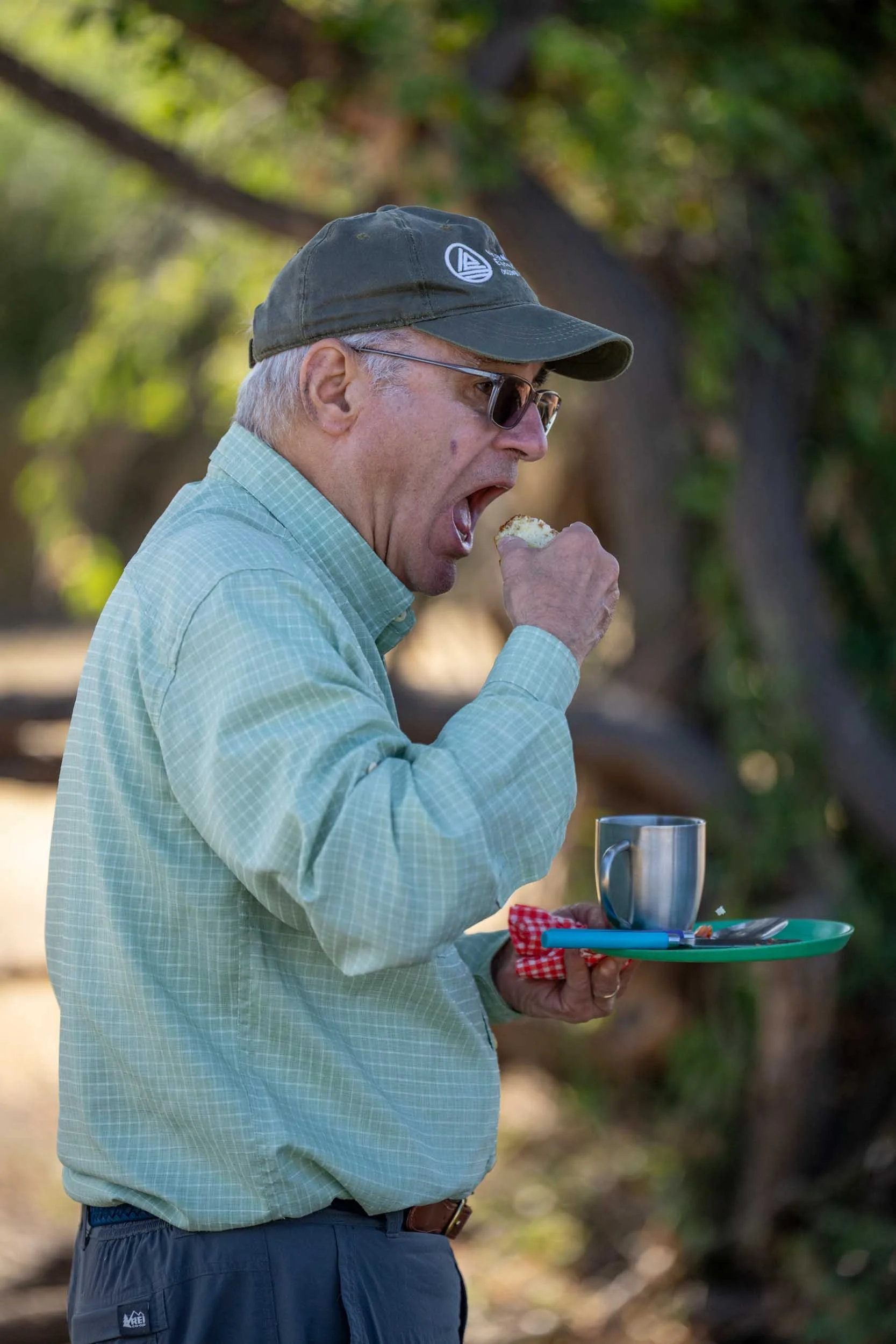
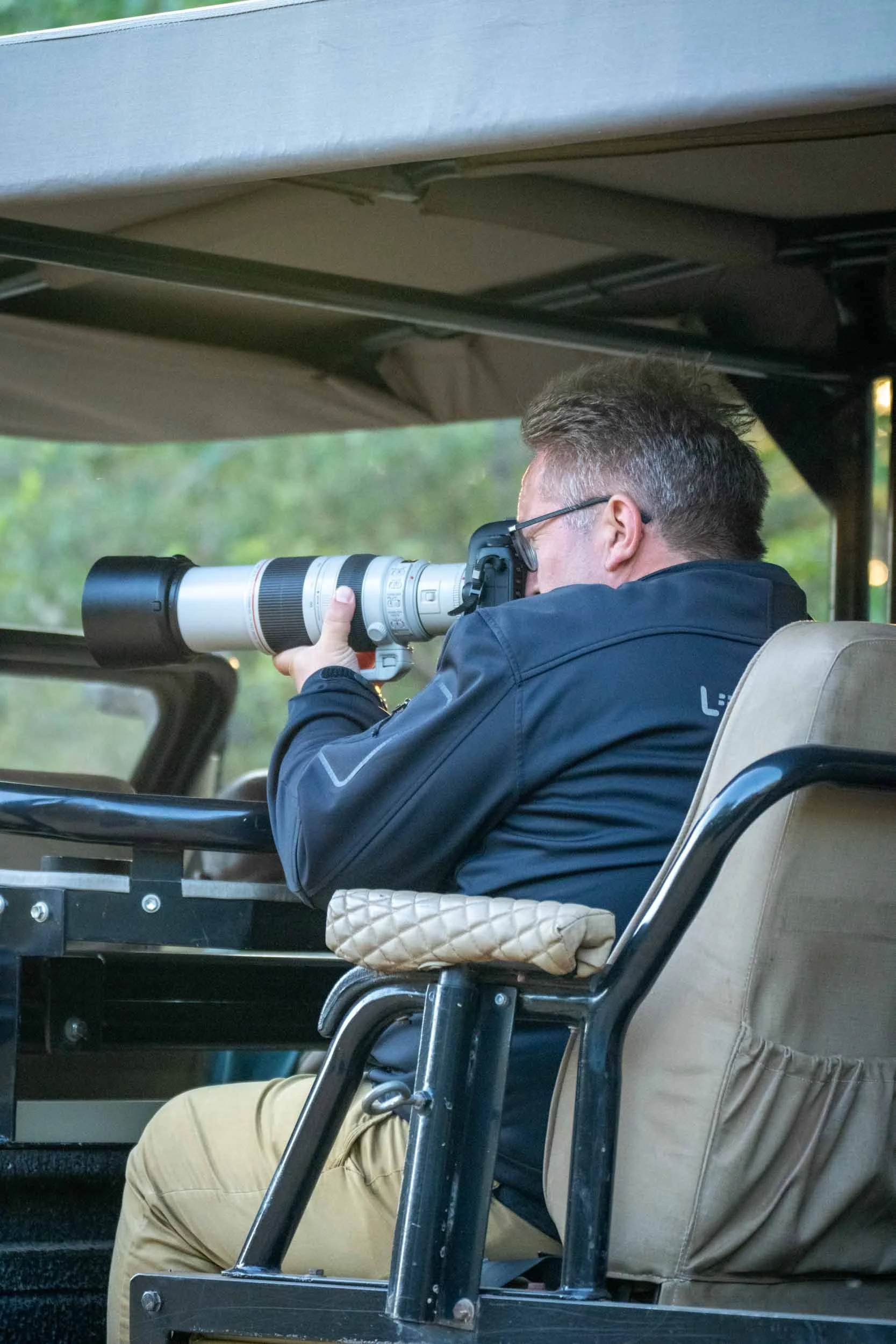
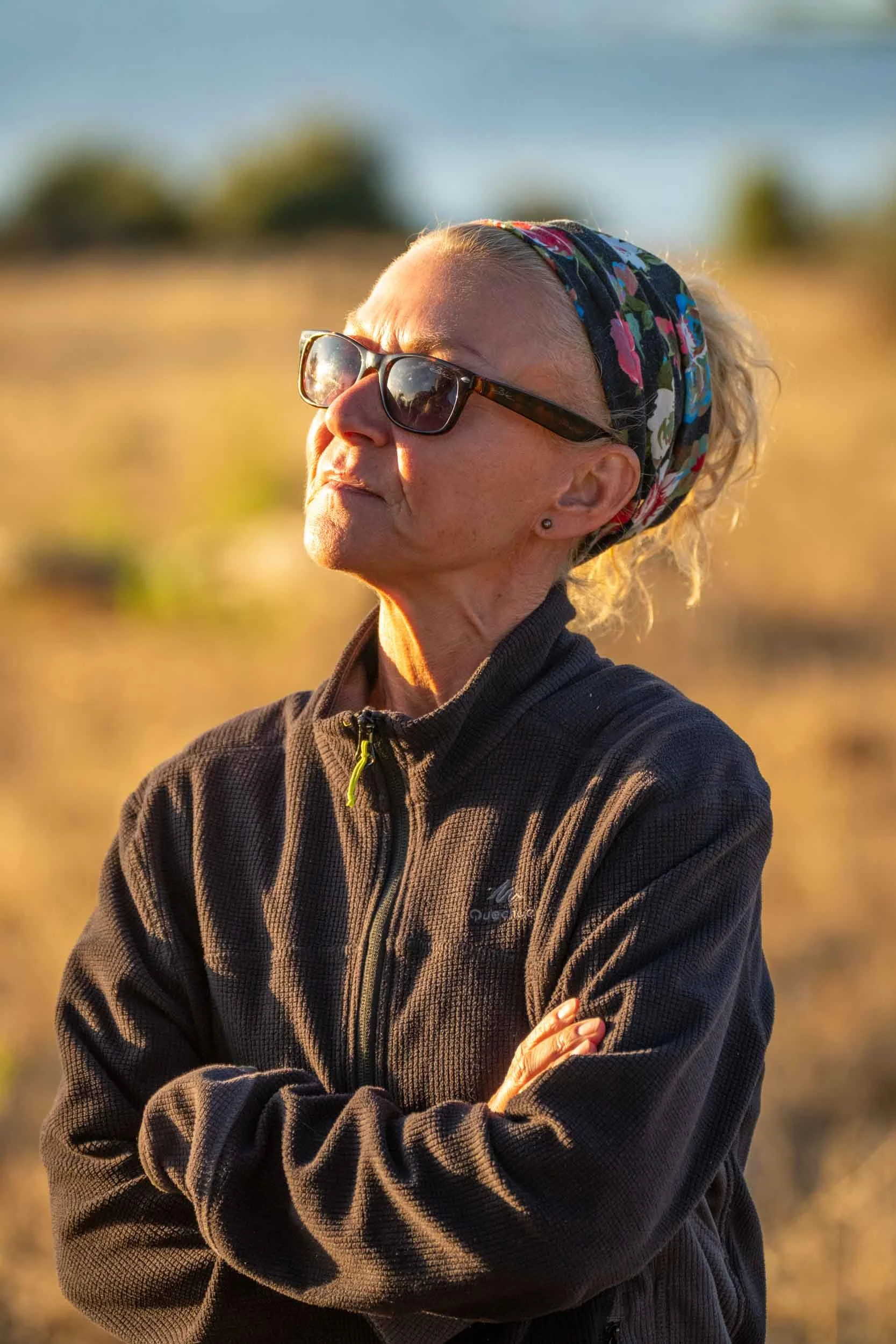
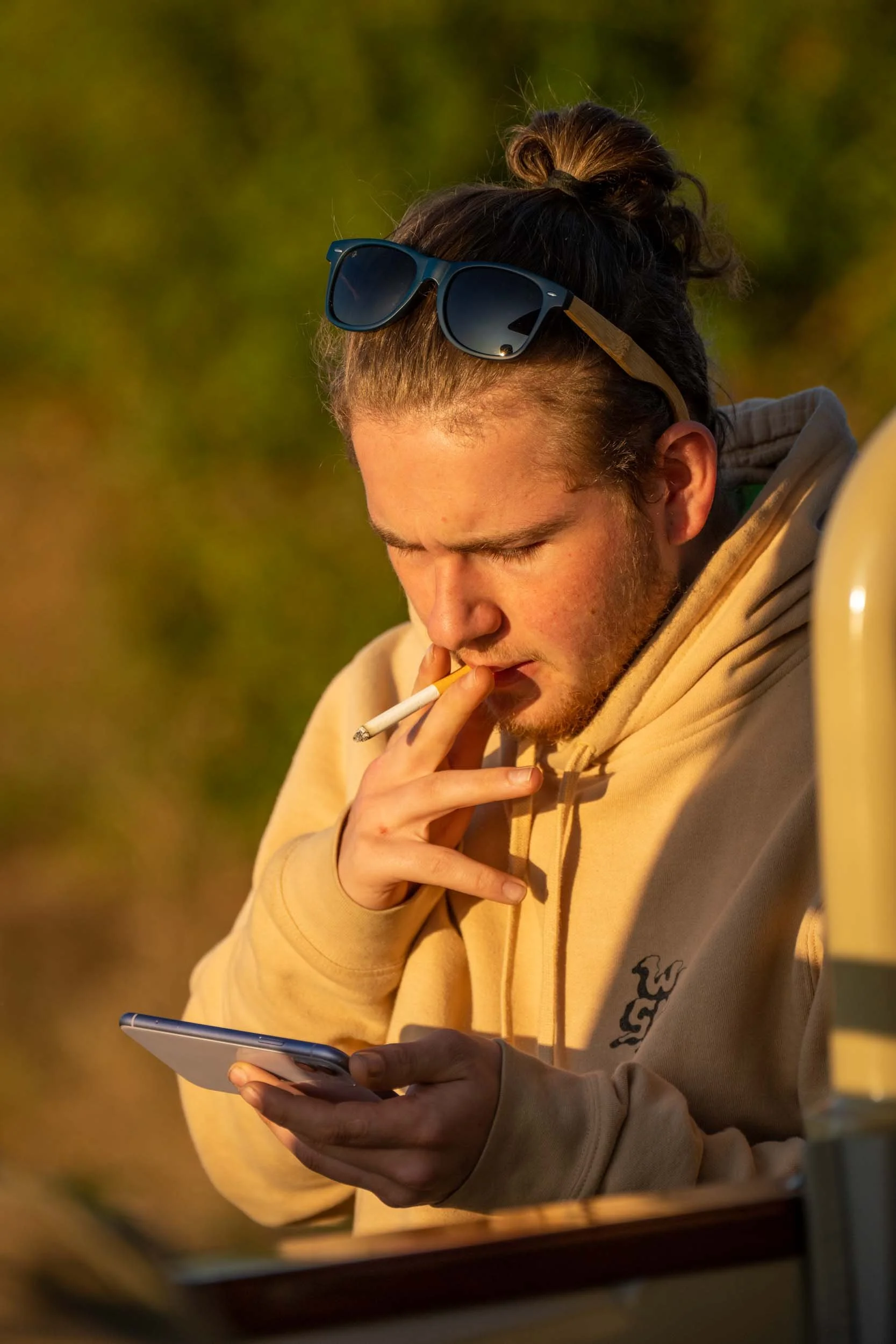
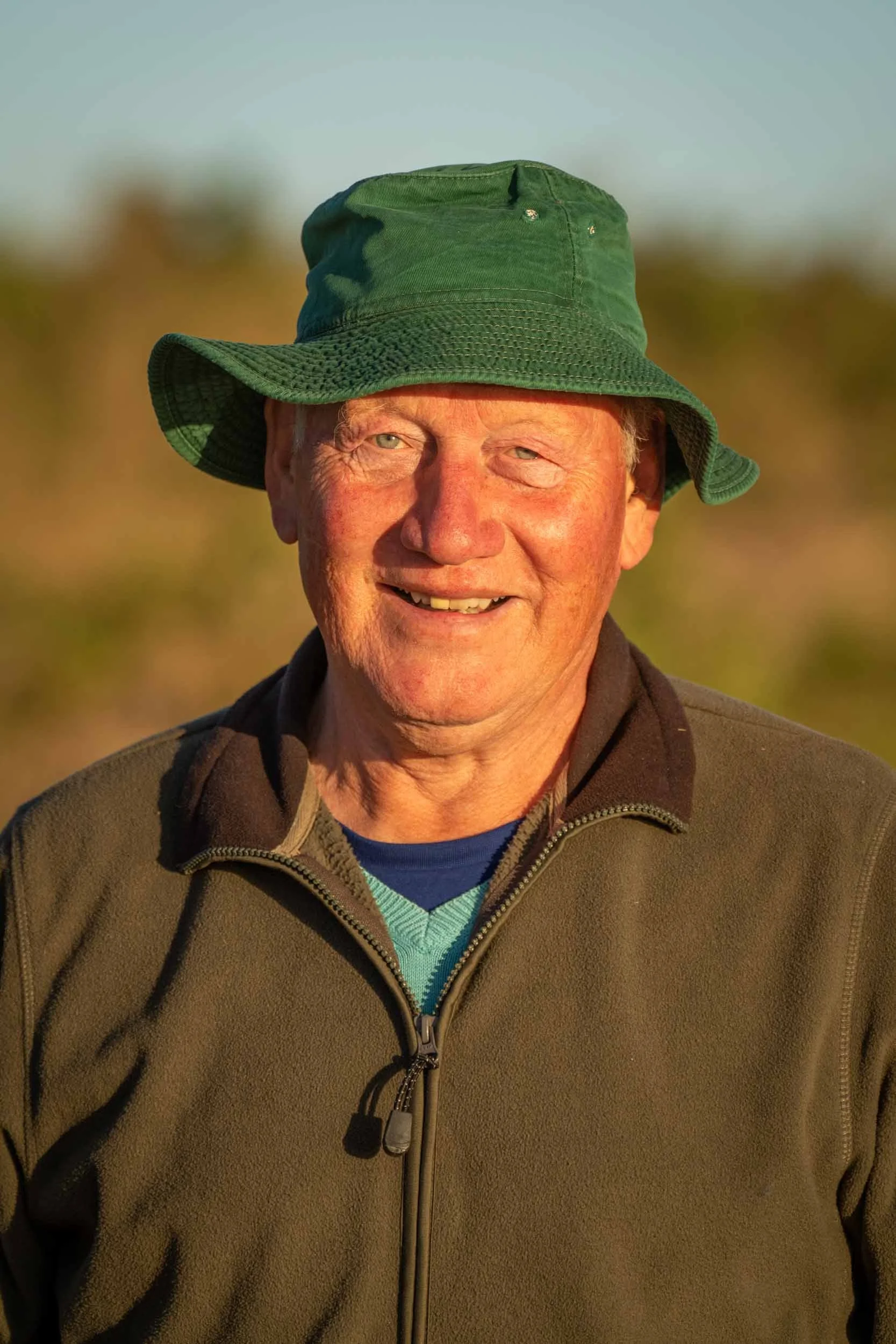
As I’ve often said, there’s something about the people you meet on safari that makes them very good company. They’re usually bright, successful and interested in wildlife and often photography, so that’s a pretty good start to a conversation!
The only disappointment is that they usually only stay two or three nights, so I constantly end up having to say goodbye! I’ve met some fantastic people at Muchenje, and it’s a shame that it all has to end when you fly home. I guess it’s like summer loving— you have a blast, but ‘it don’t mean a thing…’
Wildlife
Light Elephant
If you visit Muchenje, the big attraction is the African bush elephants. It’s only a 15-minute drive to Chobe National Park, and that’s where you’ll find over 120,000 of Botswana’s entire population of 130,000 elephants—often in herds of over a hundred or more. However, you can also find the other members of the Big Five (apart from the rhino), together with African wild dogs and all the most iconic African species…
The main decision you have to make is when to visit. If you go during the green season, you’ll see far more birds along the river but slightly fewer animals. If you go during the dry season, you’ll see fewer birds but more animals searching for water—including enormous herds of consisting of hundreds of elephants.
The Big Five
Take a Bough
If you want to see the Big Five from Muchenje, it helps to know their habits. Your safari guide can help you, of course, but the behaviour of the local elephants and Cape buffaloes is fairly predictable.
If you’re photographing elephants, the best opportunities usually come from boat rides. It’s hard to get good shots in the morning as they spend so much time in the dense woodland, but once they go down to the river, you can catch them drinking or play-fighting in the water or giving themselves dust baths on the riverbank.
Cape buffaloes can be seen in ones and twos rather than huge herds, and they generally spend most of their time grazing on the lush grass on Sedudu Island. You can get pretty close in a boat, but it’s hard to get anything more than a reference photo! One of the main problems is the time of day. For logistical reasons, you can’t take a sunrise or sunset cruise from Muchenje, so that limits the quality of light.
Finally, lions and leopards are rarely sighted, so you need a bit of luck. The first time I visited Muchenje, I didn’t see a single leopard in three weeks, but the second time, I saw one almost every day!
Other Animals
The Rock
If you’re hoping for cheetahs, packs of African wild dogs or the vast herds of blue wildebeest and zebras that you get during the Great Migration in Kenya and Tanzania, you’ll be disappointed. However, Muchenje offers a unique combination of game drives and boat rides that allows you to spot a much greater variety of wildlife than in most safari destinations.
The early morning can be a bit ‘quiet’ (as the saying goes!), but there have been days when I’ve been able to see wildlife during every single minute of a boat ride or game drive—and that’s very rare! The most common species are probably chacma baboons (see above), greater kudus and impalas, but you can also find hippos, southern giraffes, sable antelopes, common waterbucks, plains zebras, common warthogs, Nile crocodiles and vervet monkeys.
Birds
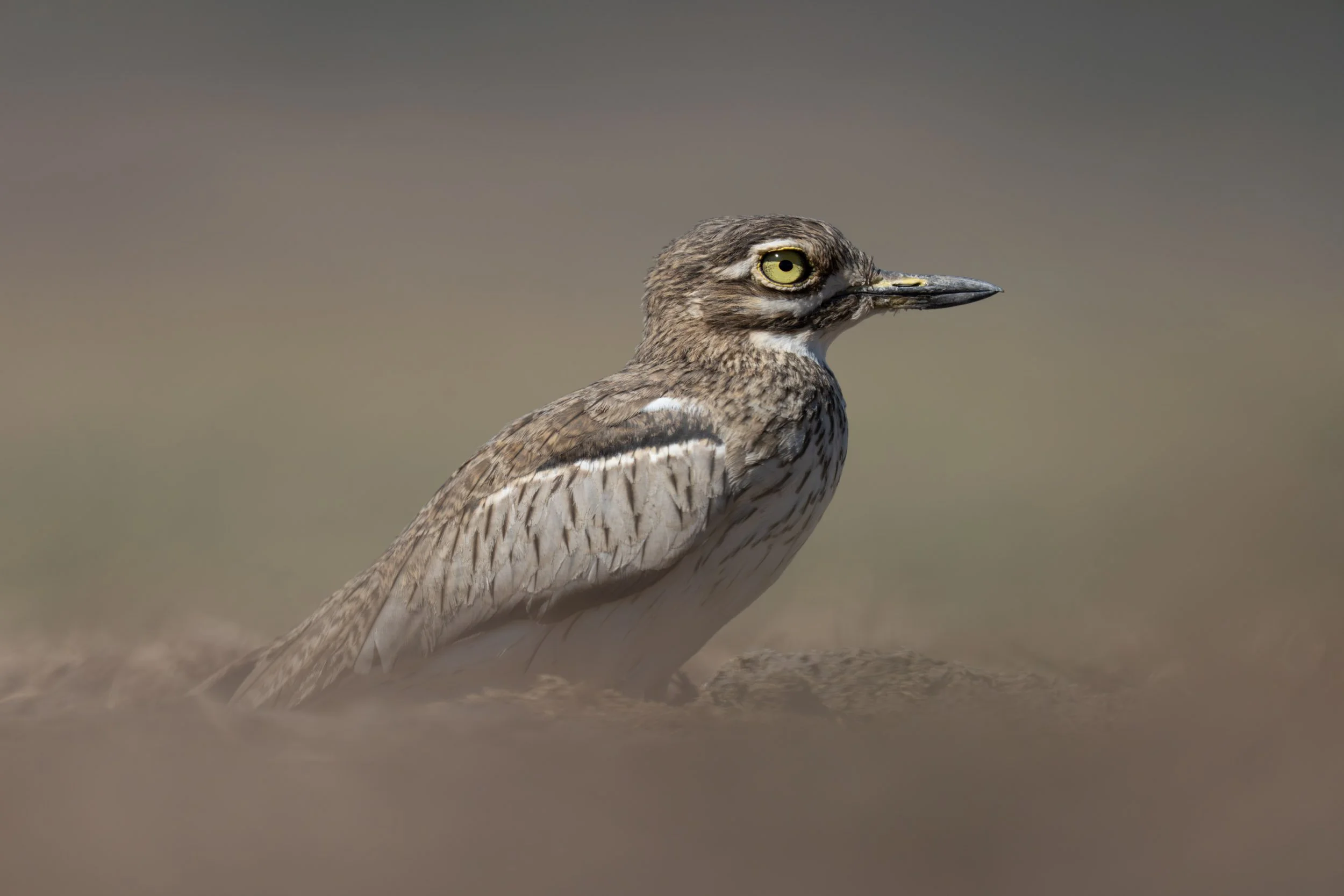
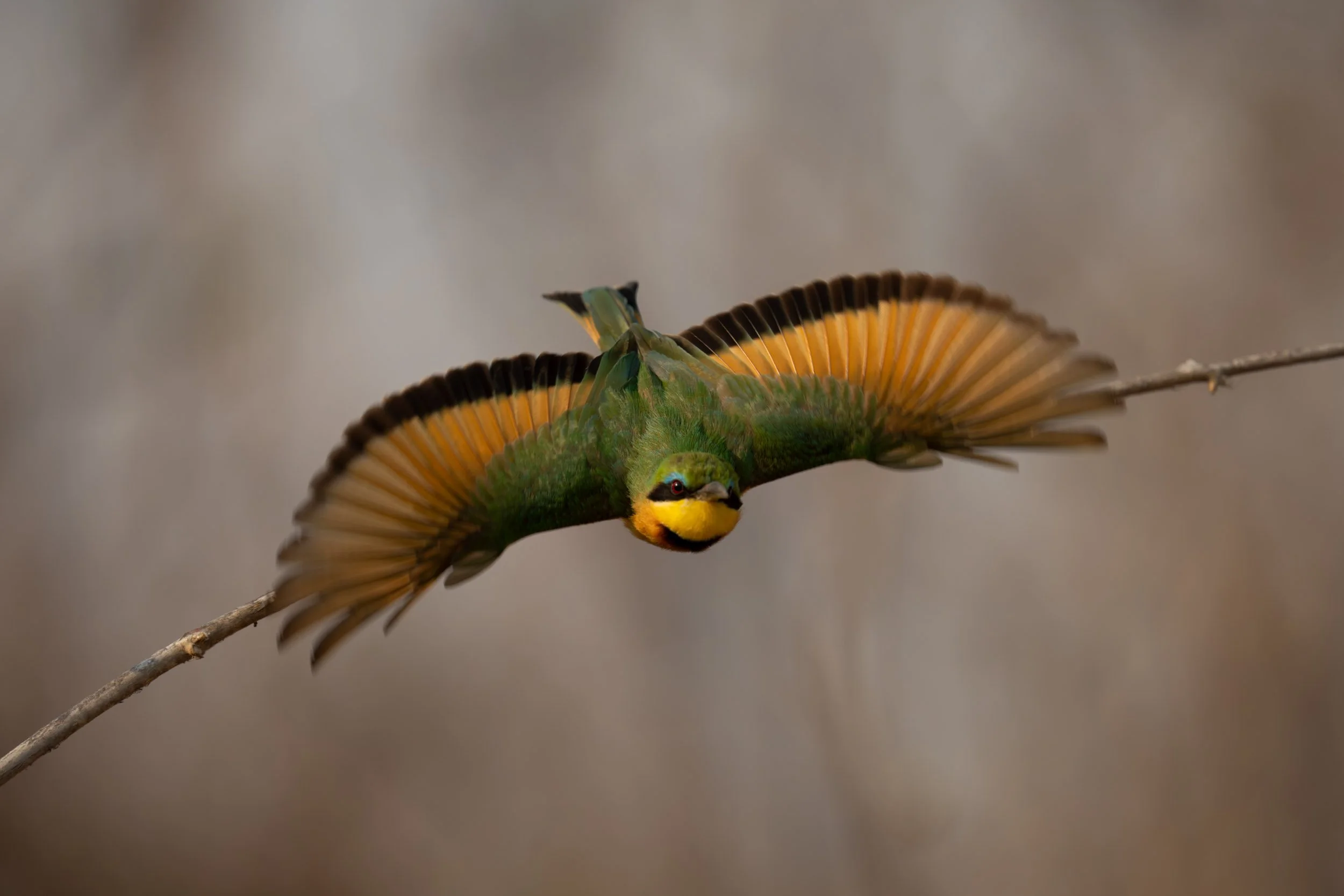
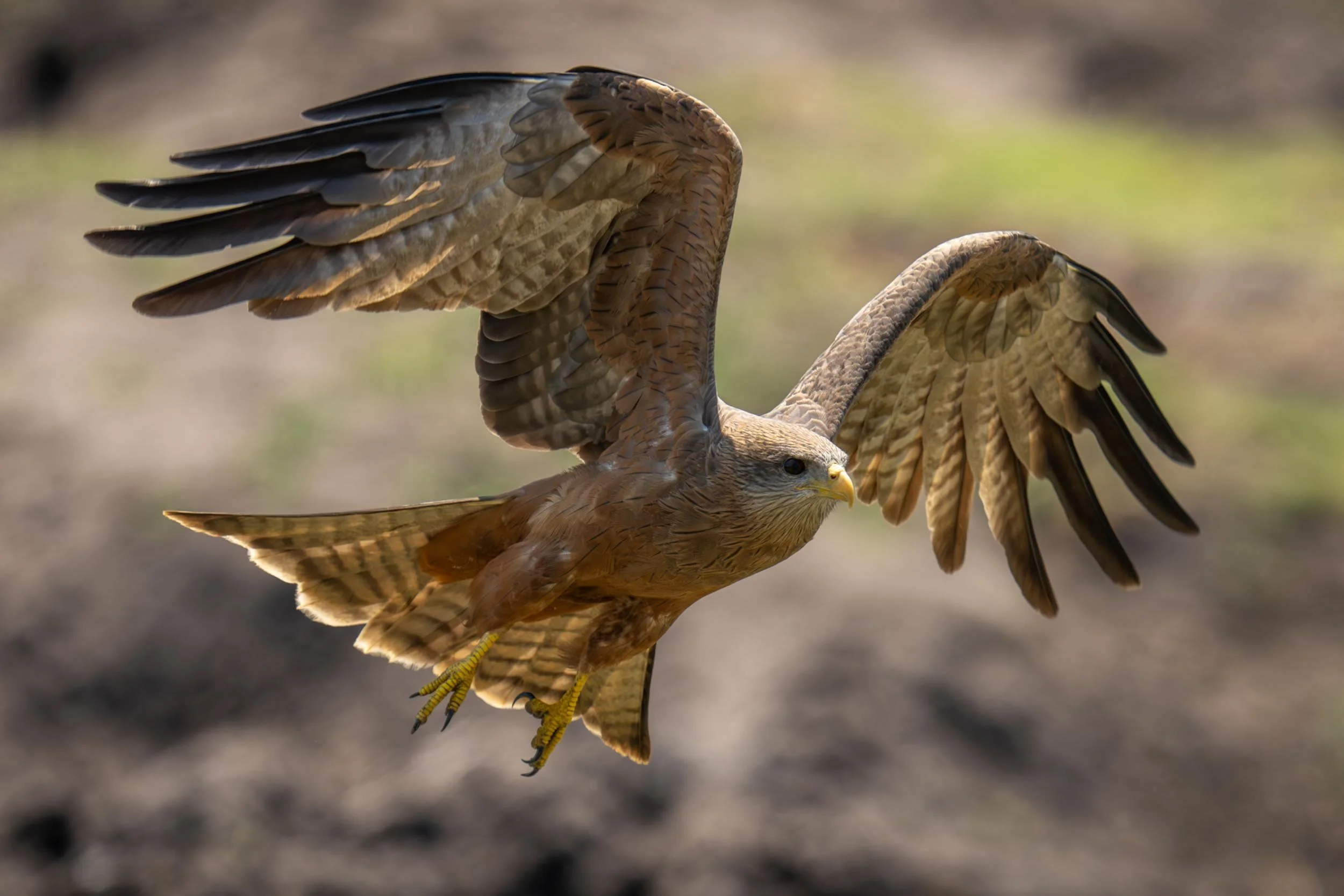
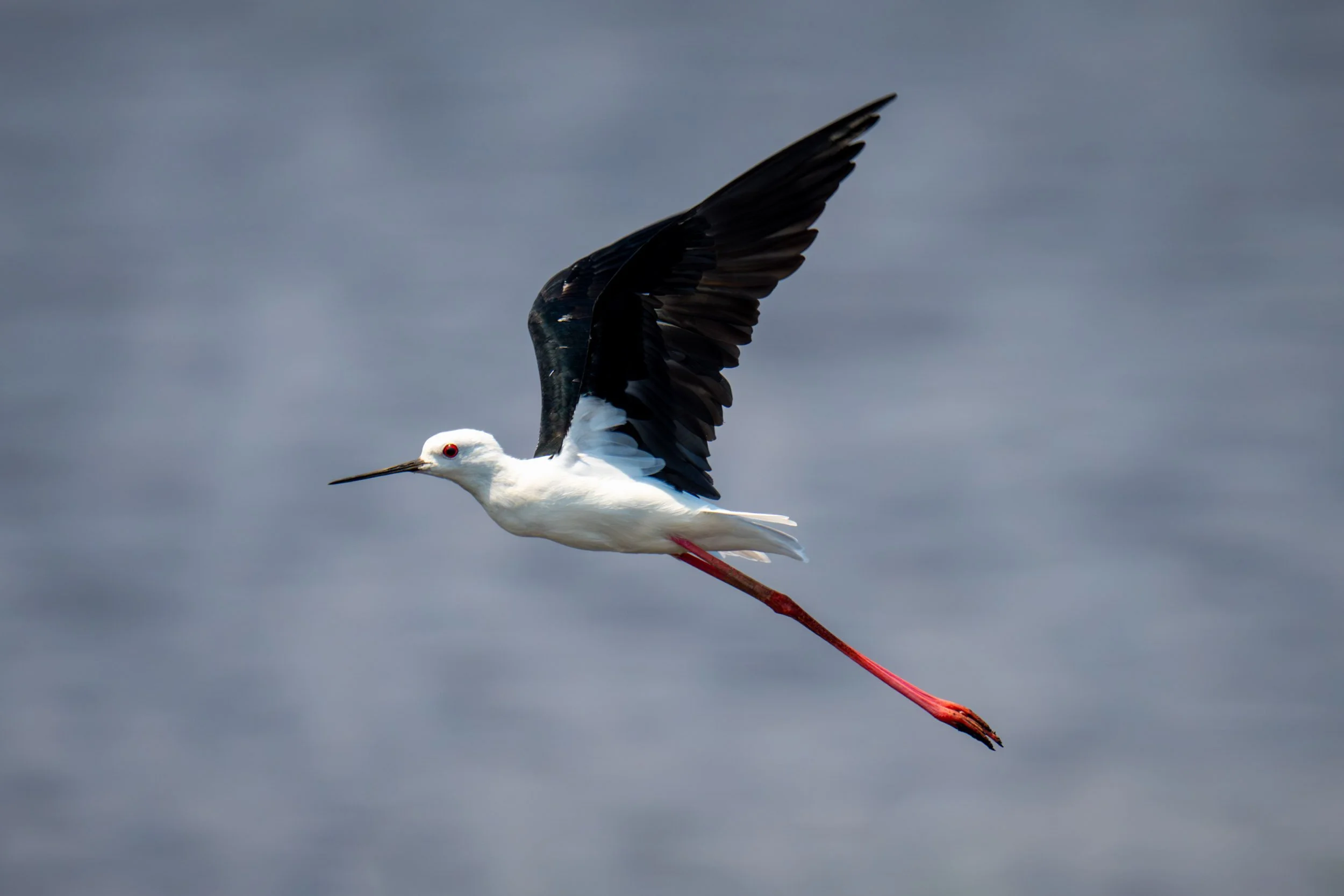
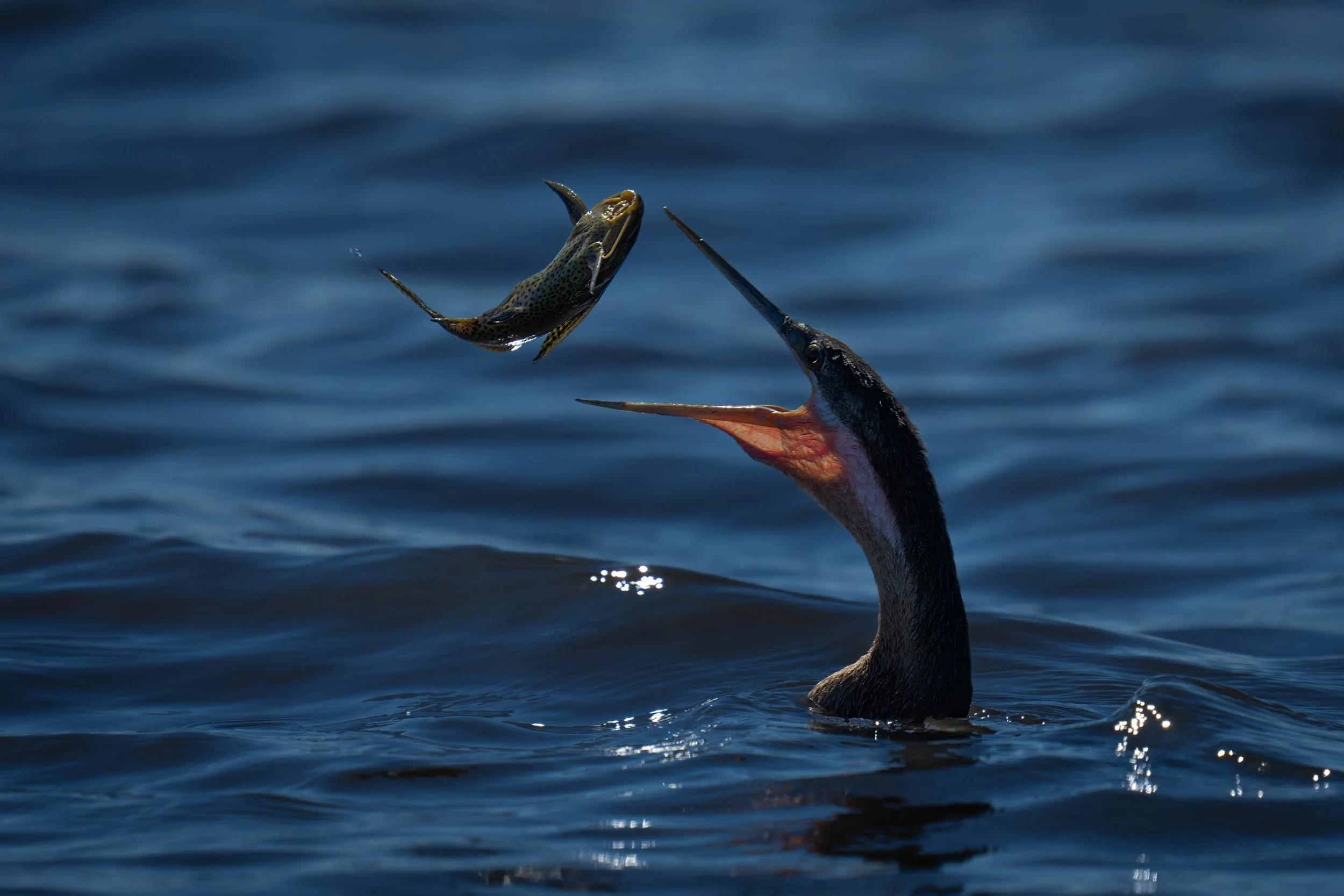
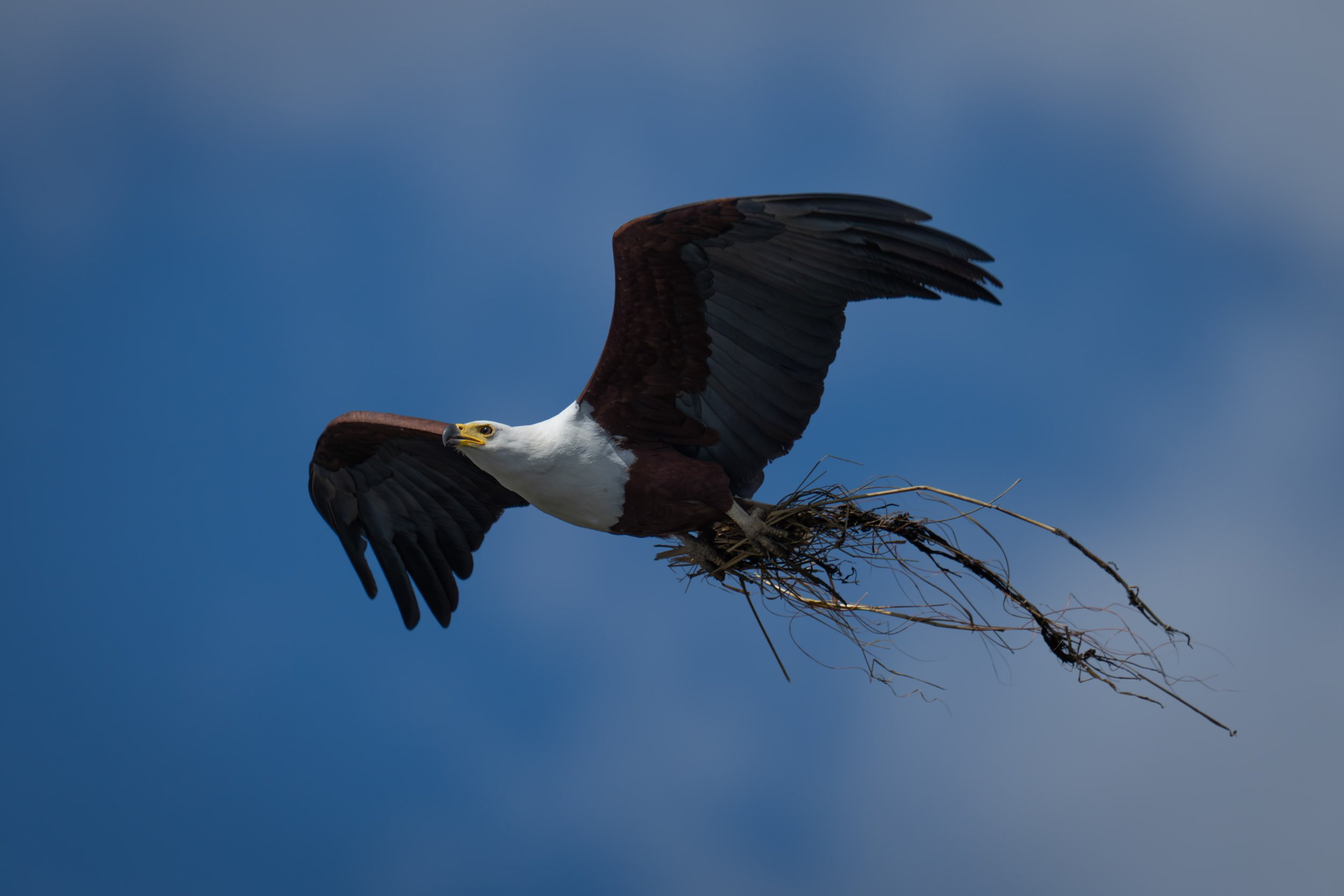
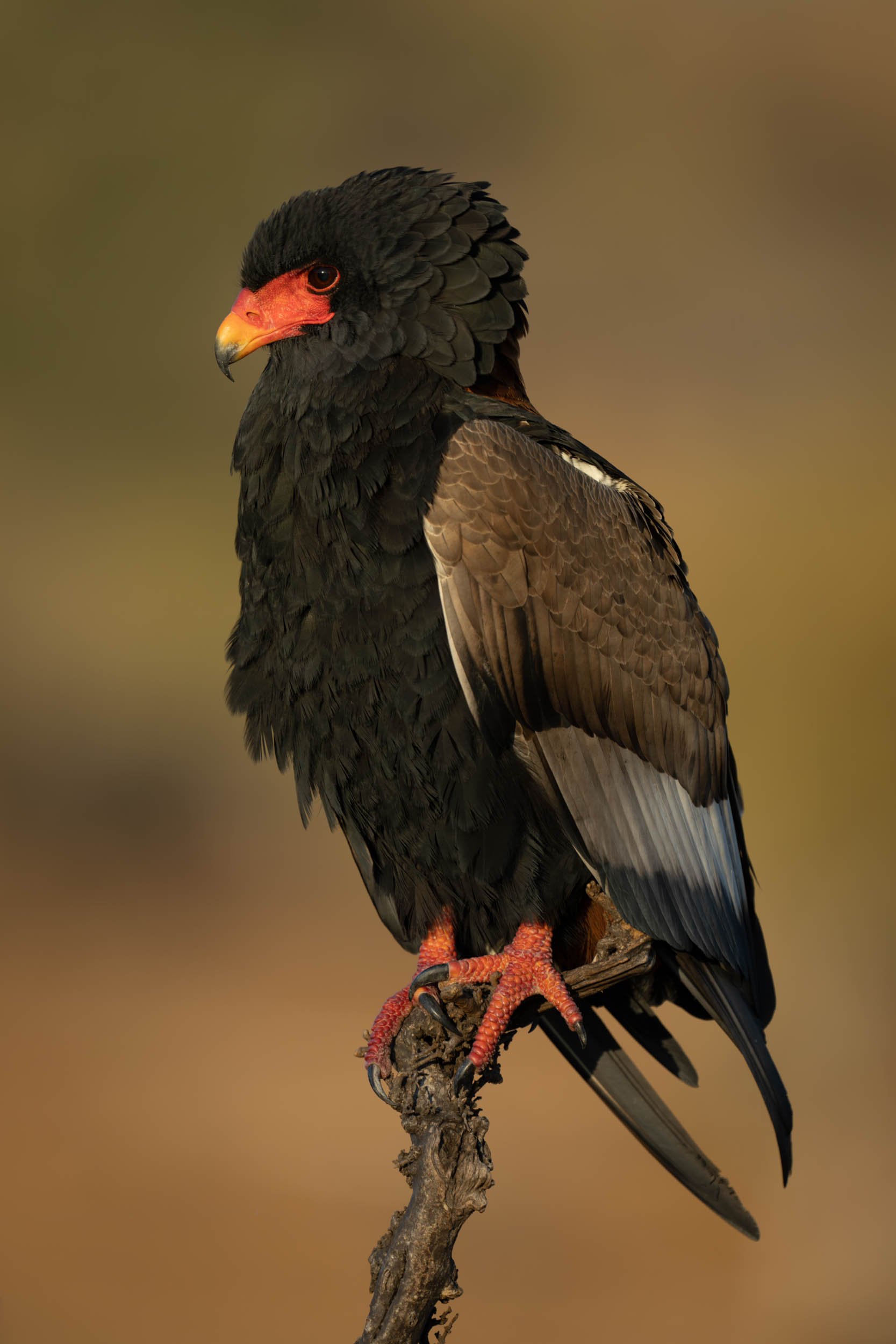
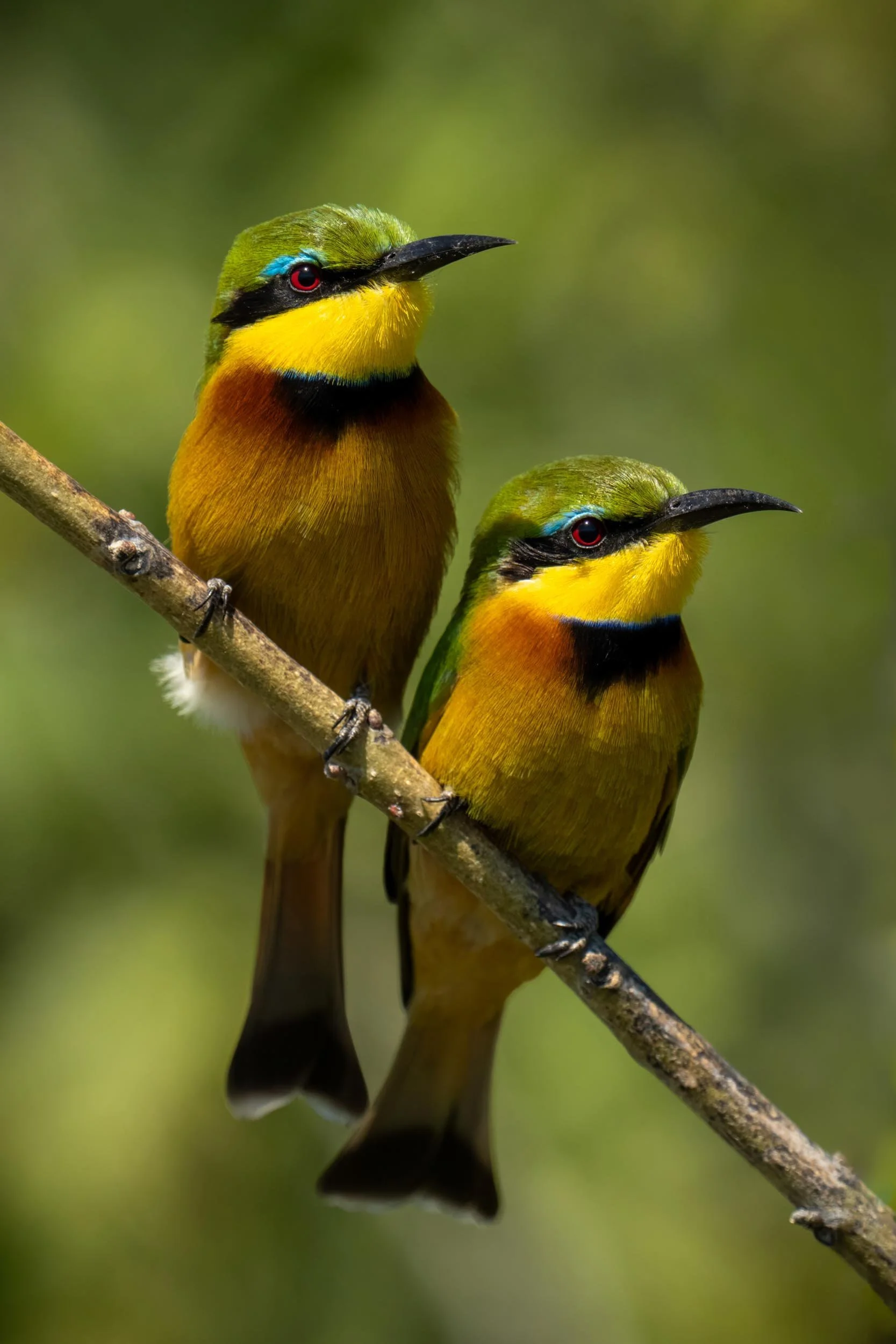
If you love birds, Botswana is a great place to visit. It is home to over 600 recorded species and attracts numerous migratory birds, especially from November to April. While there are no endemics, the country offers a wide variety of waterbirds and iconic residents. That includes the kori bustard, which is widely recognised as the world's heaviest flying bird, with males reaching up to 40 lbs (19 kg).
In addition, I love to photograph African fish eagles, lilac-breasted rollers and little bee-eaters taking off, and Chobe National Park is a great place to do that. In fact, I once spent so long shooting little bee-eaters from exactly the same position that I not only ran out of memory cards but gave myself pins and needles in my arm that didn’t disappear for six weeks!
Verdict
Long Jump
If you want to go on safari, but you aren’t sure where to go, it helps to be familiar with the other major safari destinations. That includes Kenya, Tanzania, South Africa and Namibia.
Kenya and Tanzania offer the enormous plains of the Masai Mara and Serengeti, which are great places to see cheetahs hunt. South Africa is great for leopards and African wild dogs—although there are far too many trees for my liking! Finally, Namibia offers a unique opportunity to see desert-adapted lions and elephants, as well as black and white rhinos in Etosha National Park.
Botswana is very different, and the main reason is the water. Whether it’s the Okavango Delta or the Chobe River, water is a fantastic complement to wildlife. It provides a great background to most photos, but it also offers the opportunity to see animal behaviour that you just don’t often see on the plains, including elephants taking dust baths or water birds tossing fish in the air and catching them.
In terms of animals, there are very few locations in Africa that can promise all of the Big Five, for example. There are places to see them in Kenya, Tanzania, South Africa and Namibia, but they’re usually not the same places! In other words, you have to visit at least a couple of different lodges or camps to see them all.
In Botswana (and specifically Chobe National Park), you won’t see rhinos or cheetahs, but elephants are guaranteed, and you should get regular sightings of lions, leopards, Cape buffaloes and African wild dogs, plus the usual prey species, such as giraffes, hippos and zebras.
To find out more about Muchenje Safari Lodge and/or book a trip, visit muchenje.com, send an email to info@muchenje.com or call +27 (0)72 170 8879.
If you’d like to order a framed print of one of my wildlife photographs, please visit the Prints page.
If you’d like to book a lesson or order an online photography course, please visit my Lessons and Courses pages.