
Blog
Since 2013, I’ve published hundreds of blog posts on all aspects of photography. Some are aimed at helping photographers with camera gear, settings and technique while others describe my workshops, exhibitions and adventures in Africa, Antarctica and beyond.
Feel free to browse chronologically or click on the heading above any post for specific categories, such as Equipment, Trips or Hints and Tips.
If you’d like to write a guest post, I charge £50 + £10 per dofollow link. Please drop me a line on +44 7942 800921 or at nick@nickdalephotography.com.
(Please note that some posts contain affiliate links from which I can earn a small commission.)
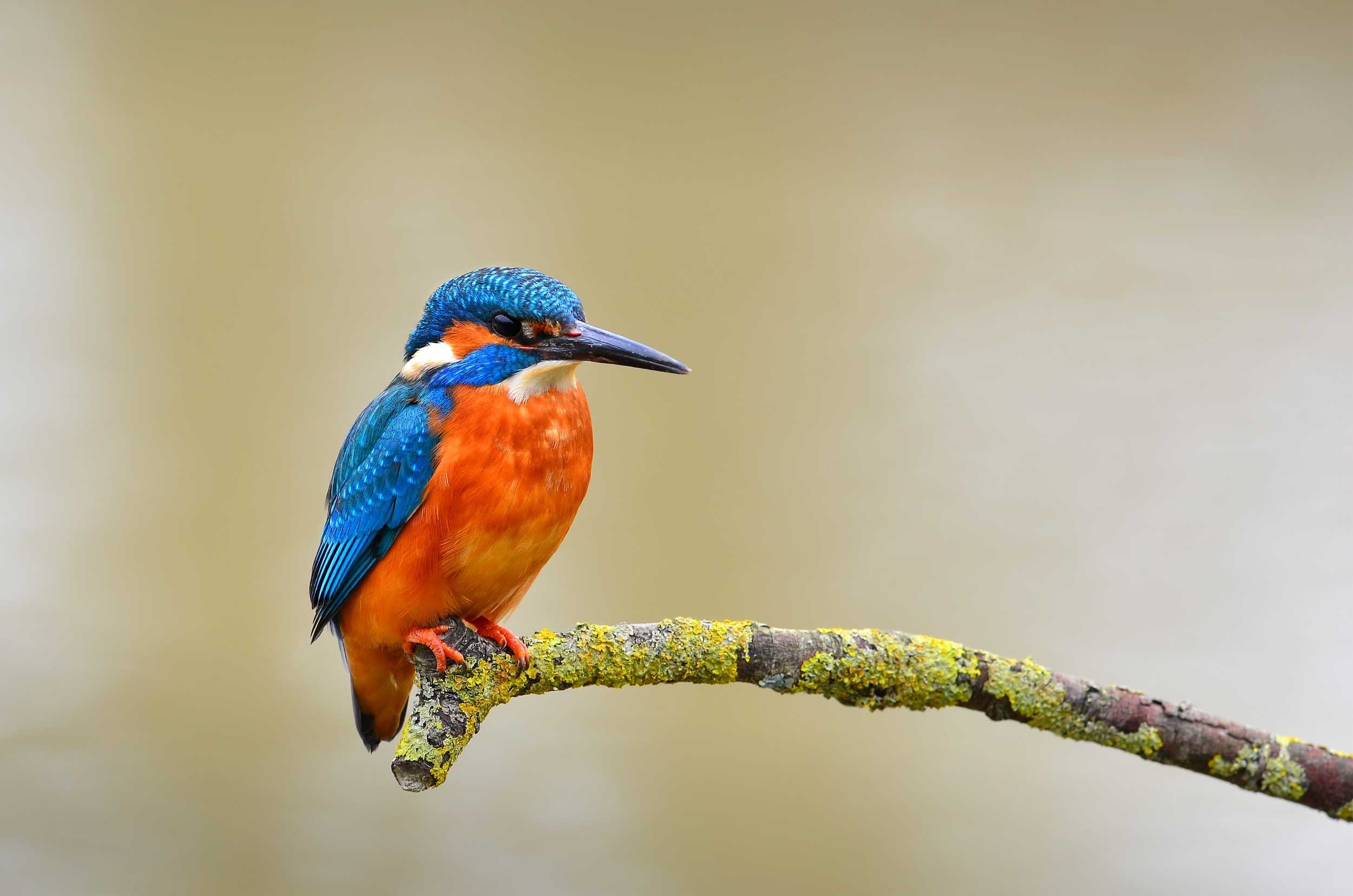
How to Sell Your Wildlife Photography: Prints, Licensing and Stock Explained
Most wildlife photographers start for love rather than money. Then the hard drive fills with kingfishers, leopards and hares boxing in a frosty field, friends start asking for prints, and it becomes natural to wonder whether the hobby could pay for the next trip.
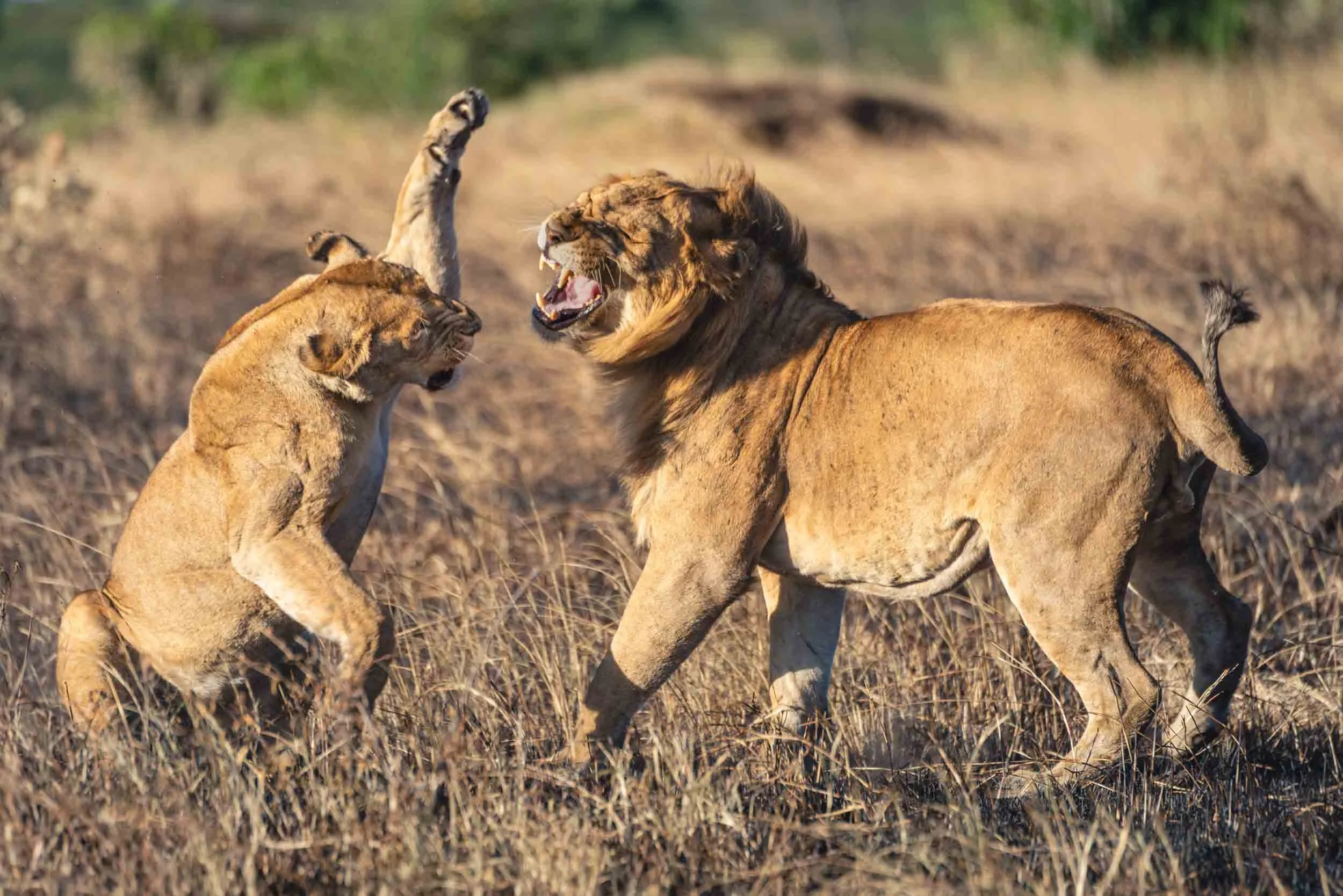
Best Places in Africa for Luxury Safari Holidays and Wildlife Photography
Planning a luxury safari holiday where you get the opportunity to capture some amazing wildlife shots? Africa is a photographer’s playground where you can make the most of your safaris while you capture some excellent wildlife shots packed with stunning landscapes, changing light and unique animal behaviour.
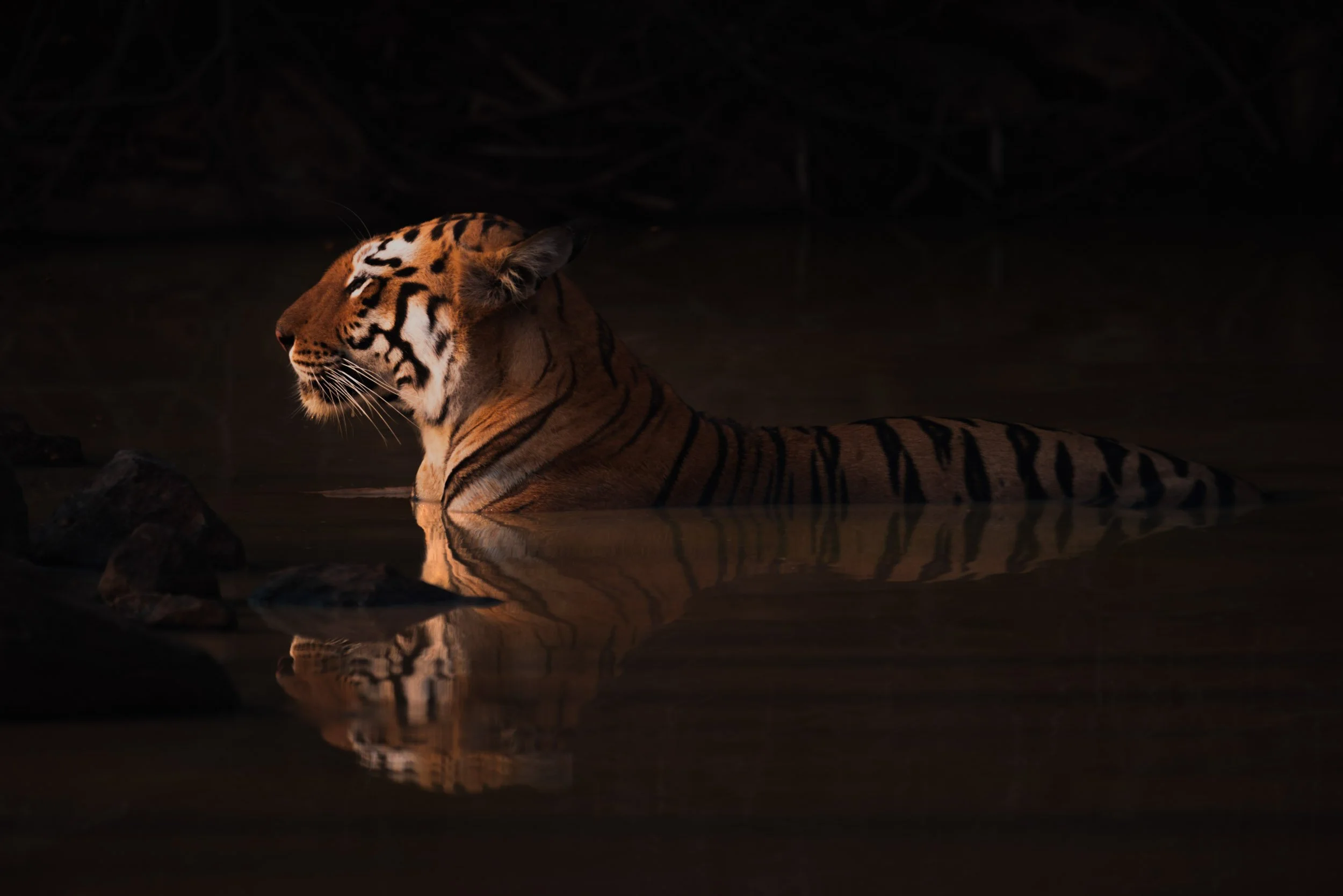
Best Tiger Safaris in India for Wildlife Photography
Being out in the wilderness isn’t just about exploring nature but being one with it. India offers a range of immersive wildlife experiences where you get to know a lot about the animals, birds and the local plant life. However, nothing excites like tiger safaris, where you get the opportunity to head into the jungle and spot these big cats in their natural setting.
Wildlife Photography Prints Statistics: USA 2026
A wildlife photograph can completely transform a room, but what makes people choose one fine art print over another? Is it the subject, the photographer, the story behind the image, or simply the way it complements a space?
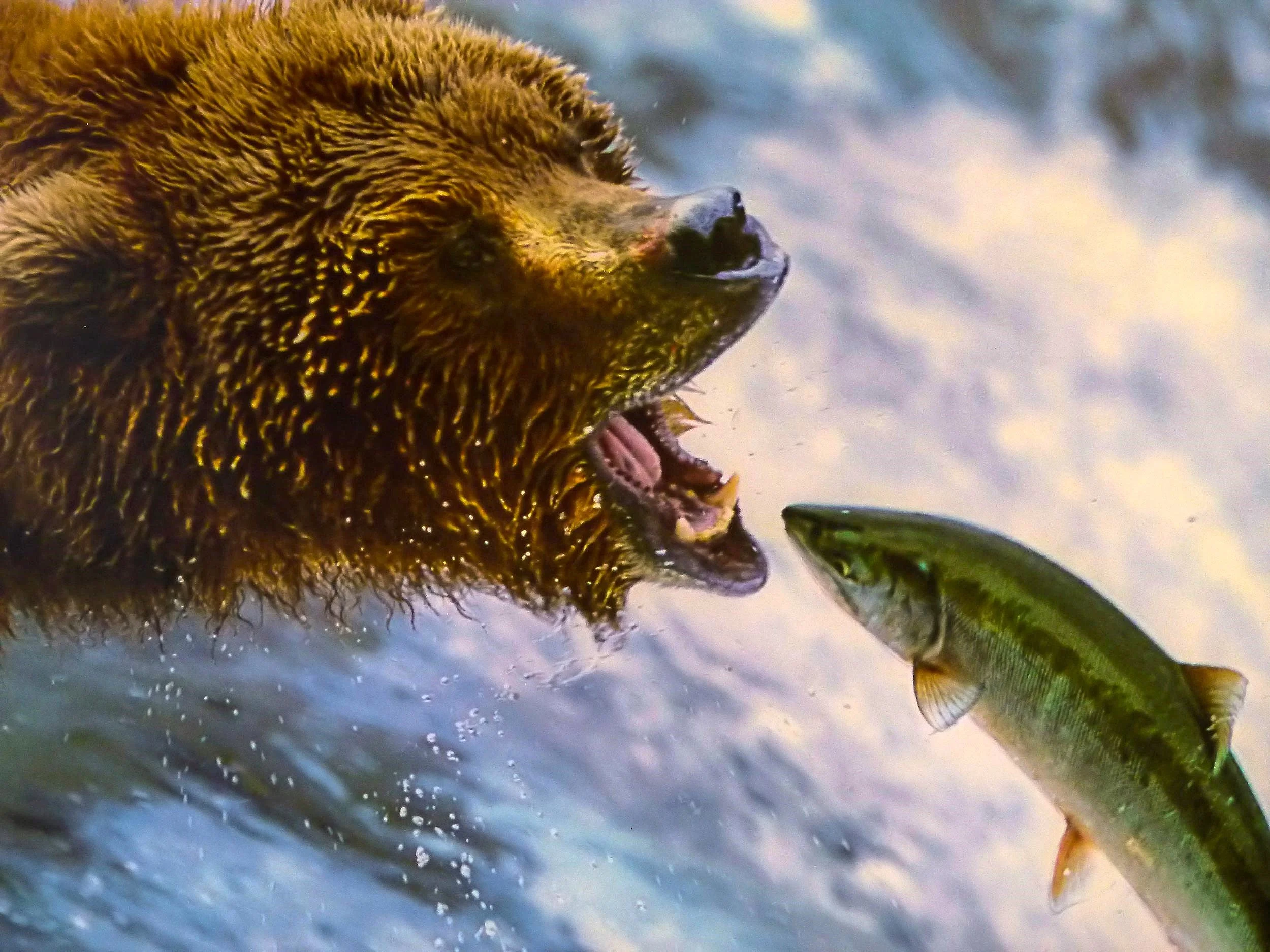
Capturing the Wild: Photographing a Bear’s Catch of the Day
There are few wildlife moments more dramatic than a bear standing in a river, water surging around its legs, waiting for the perfect second to strike. One moment, the scene looks calm. The next, there is a flash of movement, a burst of spray, and a silver fish twisting in the air. For a wildlife photographer, it is exactly the kind of scene that makes all the early mornings, cold fingers and heavy camera bags worthwhile.
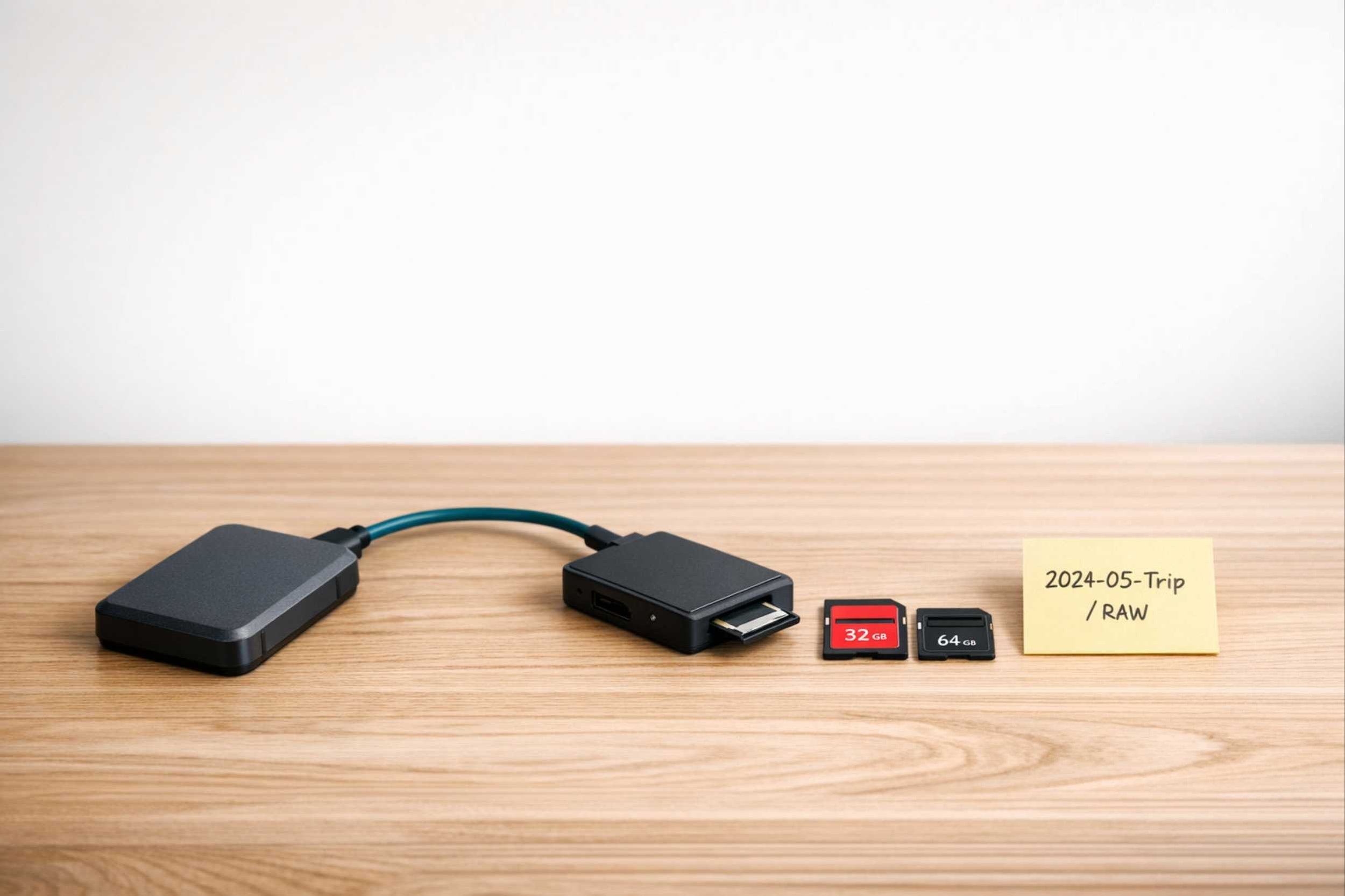
Practical Workflow Tips for Managing High Volumes of Nature Photographs
Shooting thousands of frames is standard practice for most wildlife photographers, but organising such a vast collection presents challenges. Without a robust workflow, image selection slows, mistakes can multiply and valuable photographs may be lost or overlooked. Practical, scalable systems help you maintain creative control, work efficiently and protect your images.
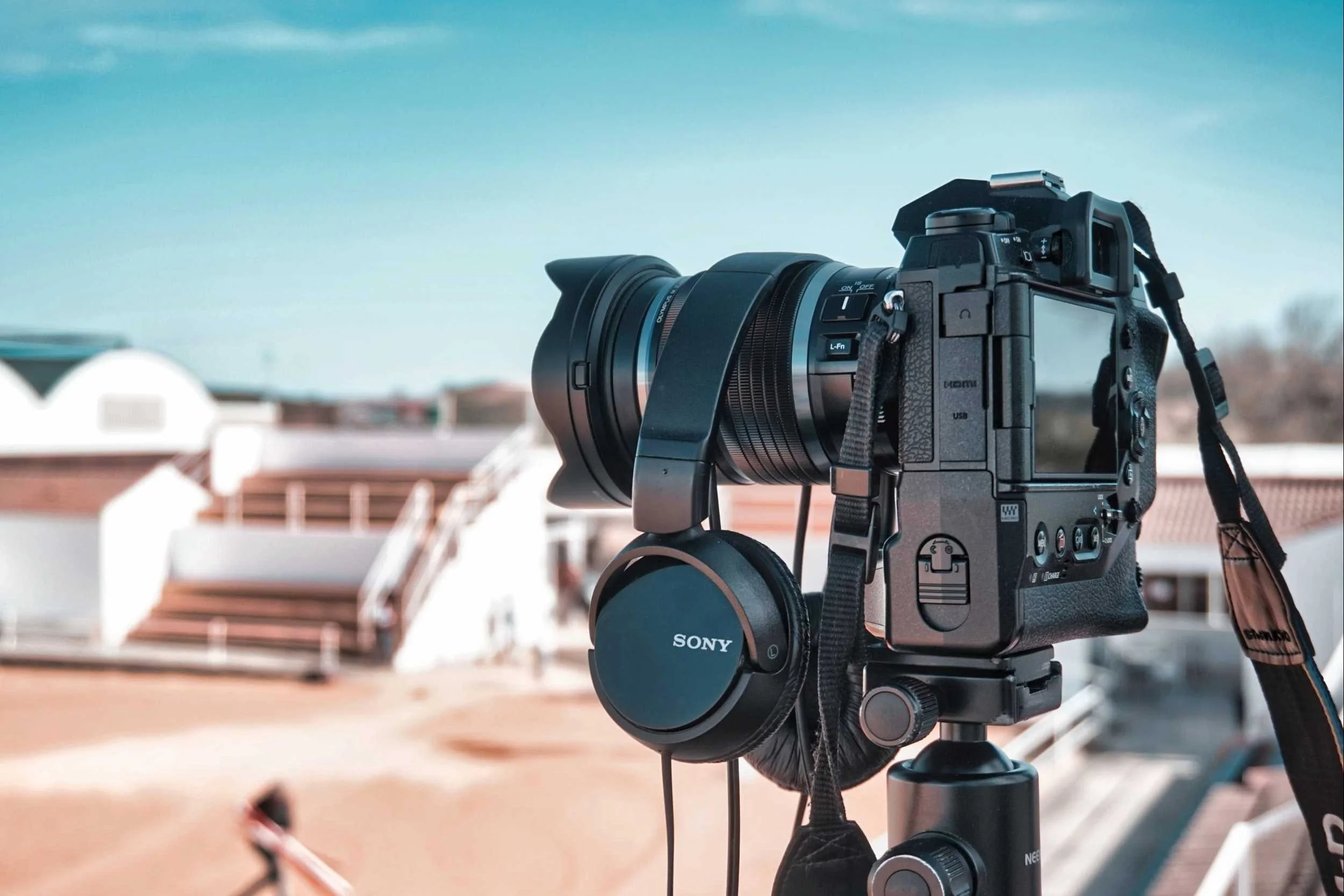
The Mindset Shift That Separates Amateur Wildlife Photographers from Consistent Ones
Most amateur wildlife photographers believe the gap between themselves and the consistently excellent ones comes down to gear, luck or access to rare animals. The camera body, the lens reach and the safari vehicle with the best positioning — these feel like the decisive variables when starting out.
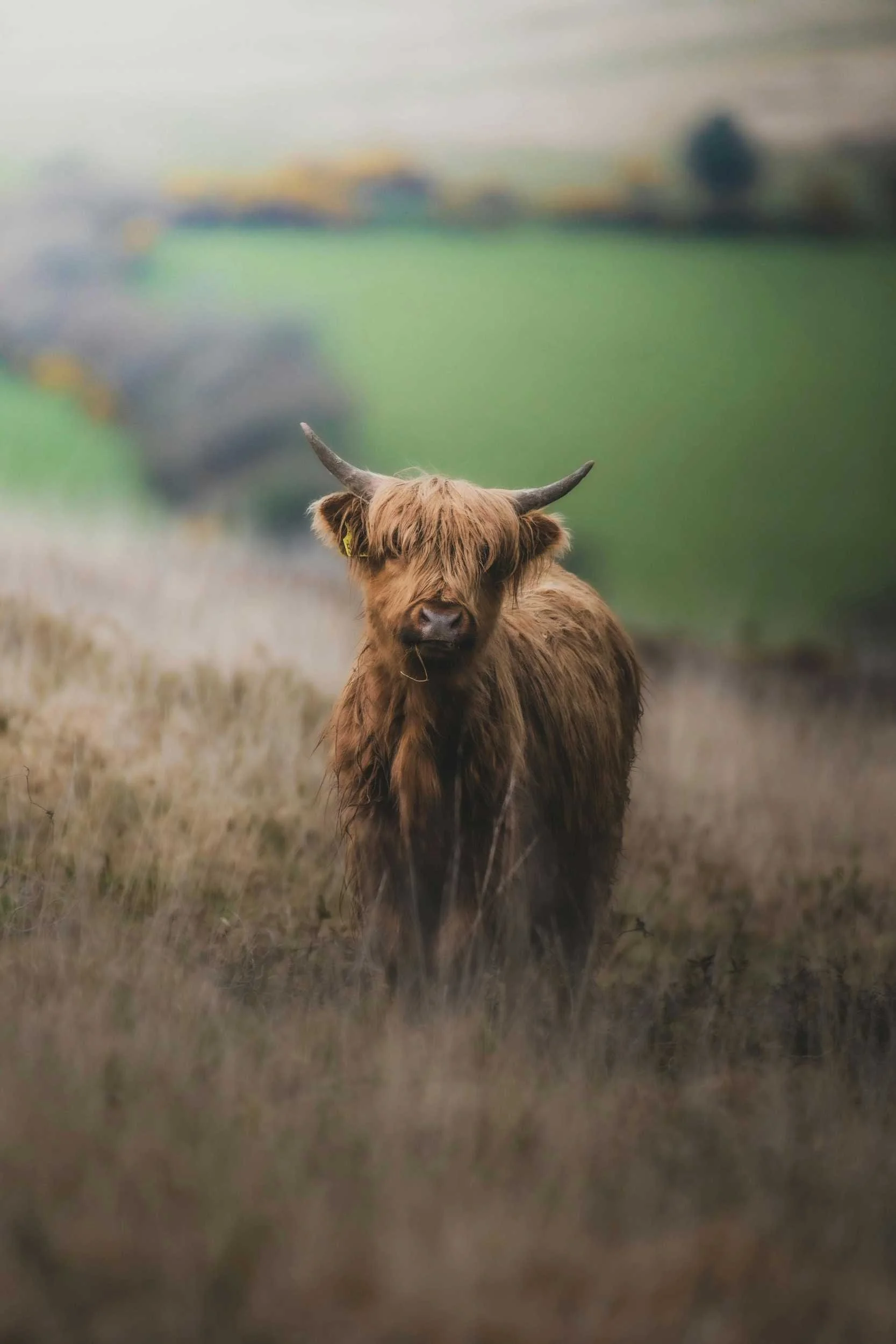
The Art of the Staycation Safari: Mastering Slow Fieldcraft
The term ‘safari’ conjures up images of the African plains of Botswana and Big Five checklists, but it applies just as readily to the British countryside. Strip away the geography and what remains is the essential truth: safari is simply the practice of spending long enough in one place that your presence becomes unremarkable, where you get to experience wildlife in their natural habitat.
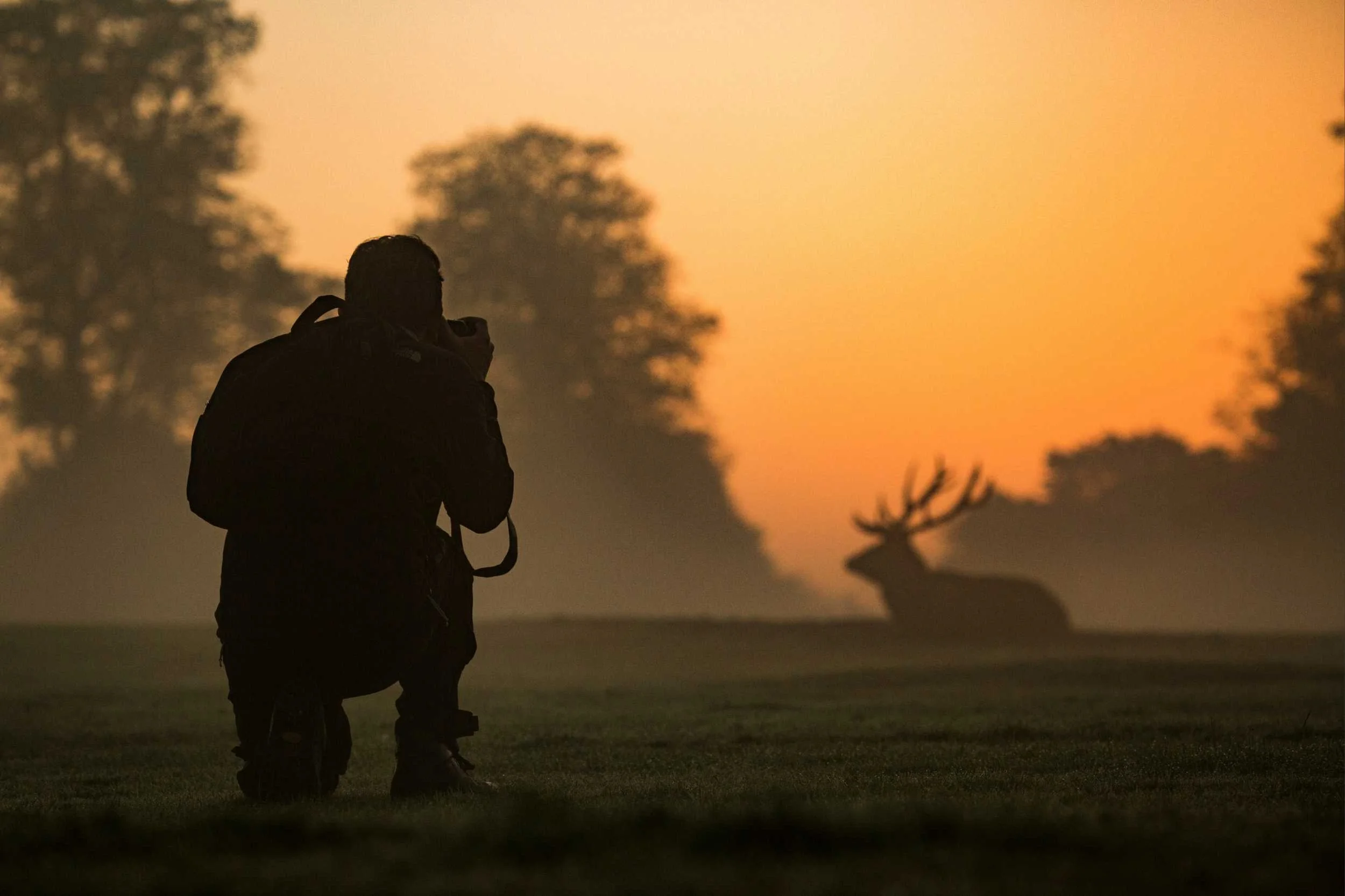
How to Stay Patient and Observant During Wildlife Shoots
Wildlife photography places unique demands on both mindset and behaviour. Unlike controlled environments, natural settings operate on their own timelines, governed by weather, light, and animal behaviour rather than human schedules.