
Blog
Since 2013, I’ve published hundreds of blog posts on all aspects of photography. Some are aimed at helping photographers with camera gear, settings and technique while others describe my workshops, exhibitions and adventures in Africa, Antarctica and beyond.
Feel free to browse chronologically or click on the heading above any post for specific categories, such as Equipment, Trips or Hints and Tips.
If you’d like to write a guest post, I charge £50 + £10 per dofollow link. Please drop me a line on +44 7942 800921 or at nick@nickdalephotography.com.
(Please note that some posts contain affiliate links from which I can earn a small commission.)
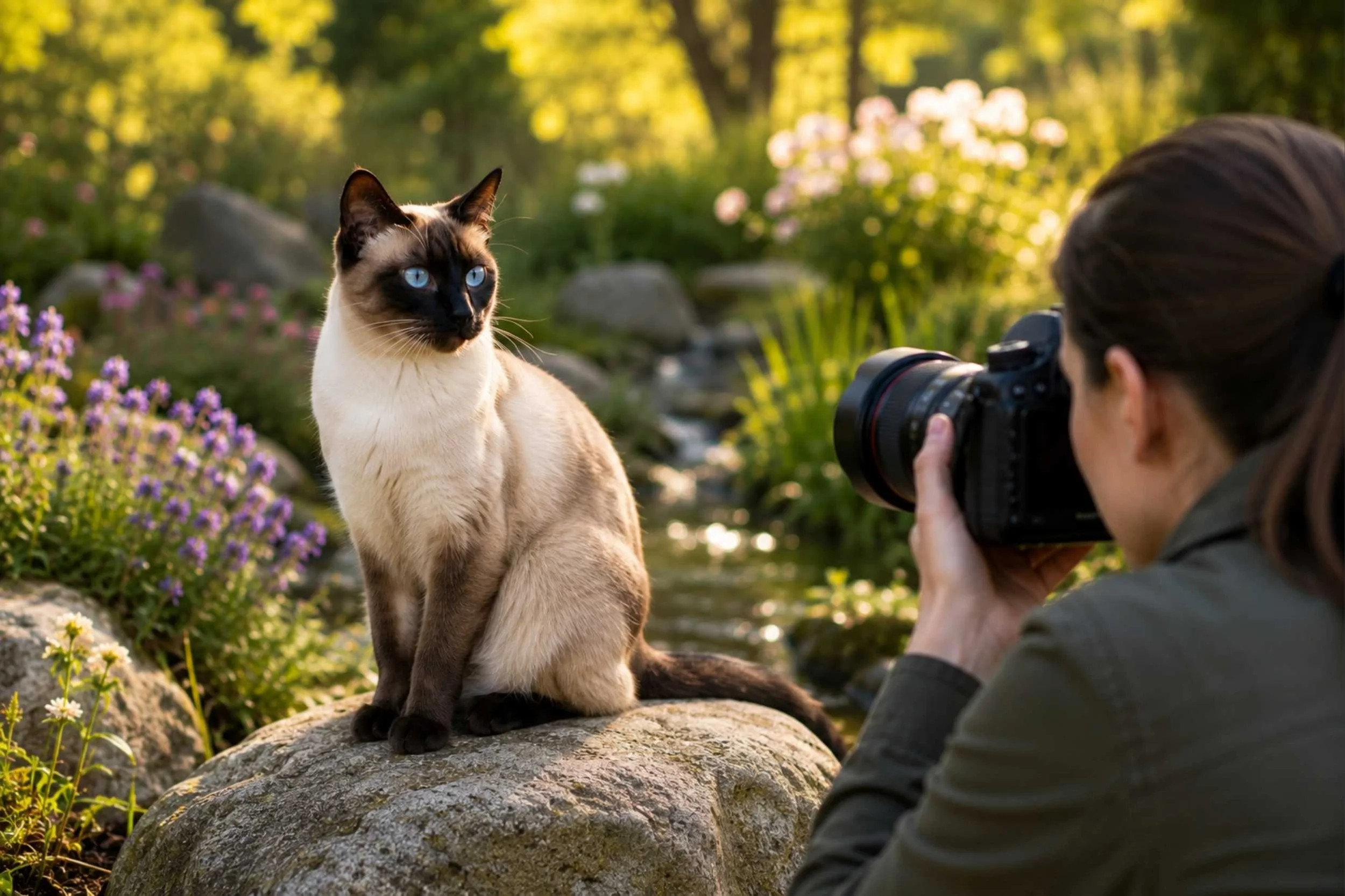
How to Photograph Purebred Cats: A Guide to Feline Portraits That Stand Out
Cats are among the most photographed animals in the world, and yet a truly great cat portrait remains surprisingly rare. Most images reduce the animal to a blur of fur or a pair of half-closed eyes caught at exactly the wrong moment. Purebred cats, with their distinctive coats and carefully bred features, deserve better than that.
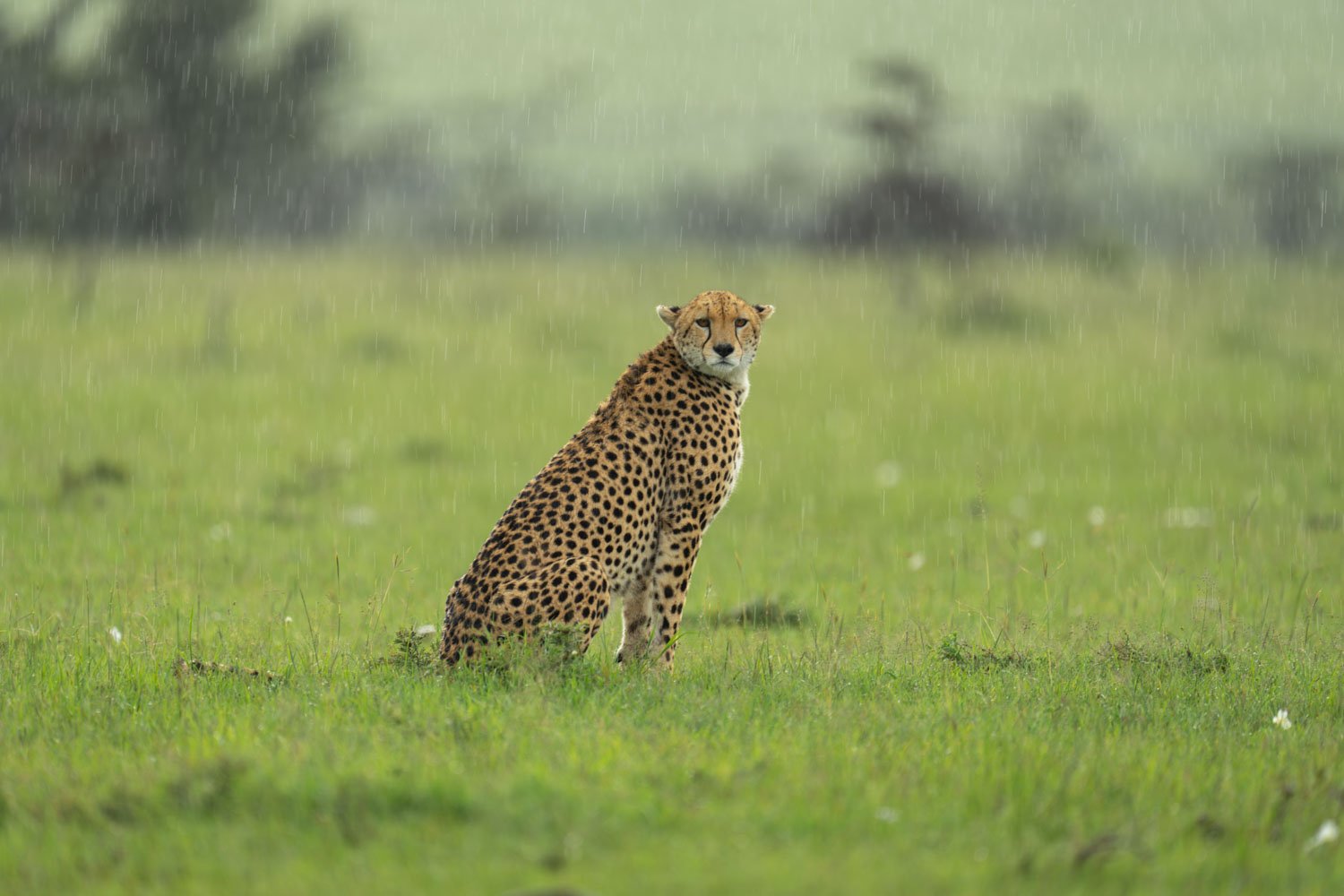
How to Photograph in the Rain
Not many people like being out in the rain, and I’ve even been on a game drive with a guide who immediately turned round and went back to camp as soon as it started raining—even though we were only 20 yards down the road!
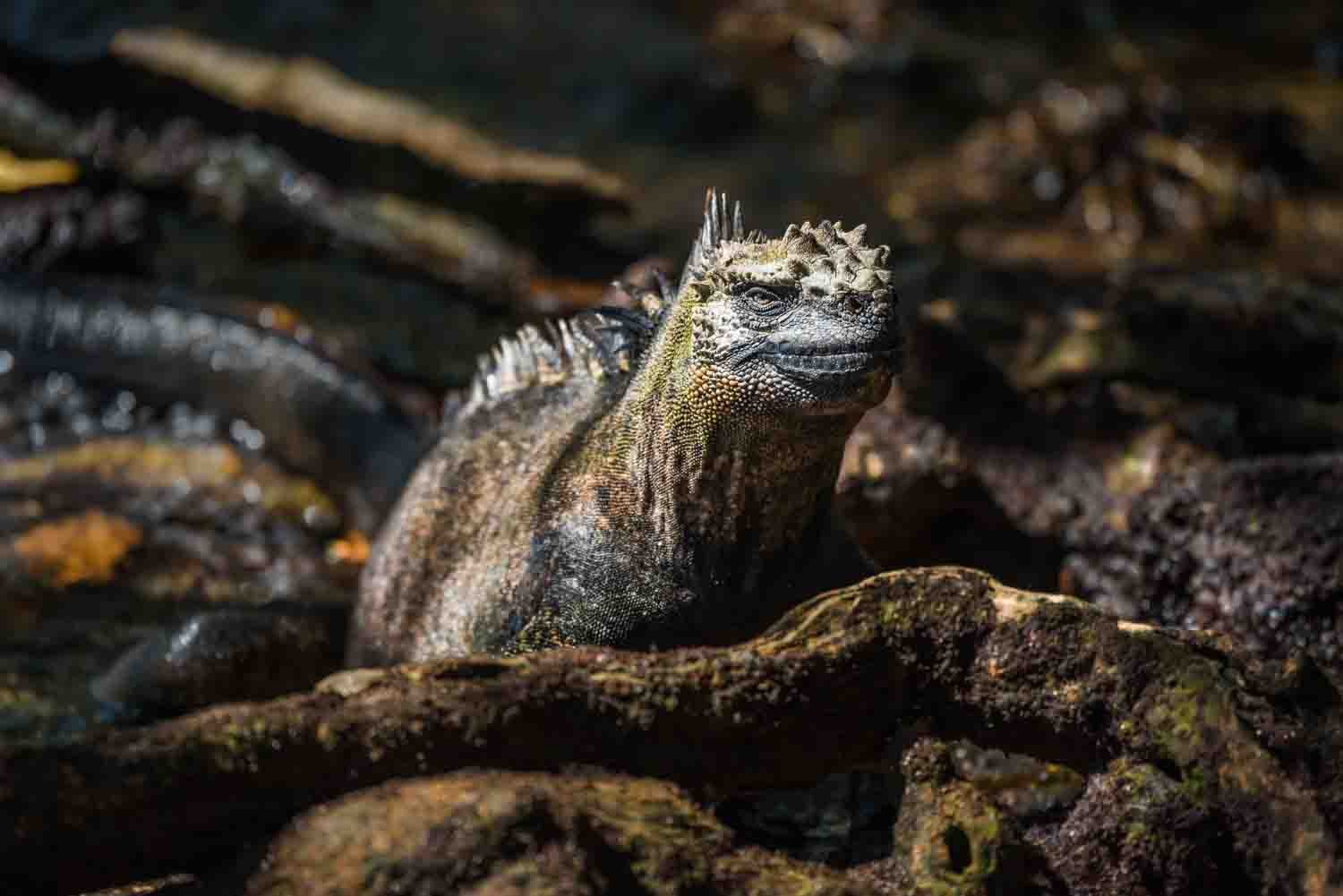
14 Reasons why Your Photos Might not be Sharp
Do you get frustrated when your shots turn out to be too soft? I certainly do, so I thought I’d put together this guide to help you improve sharpness.
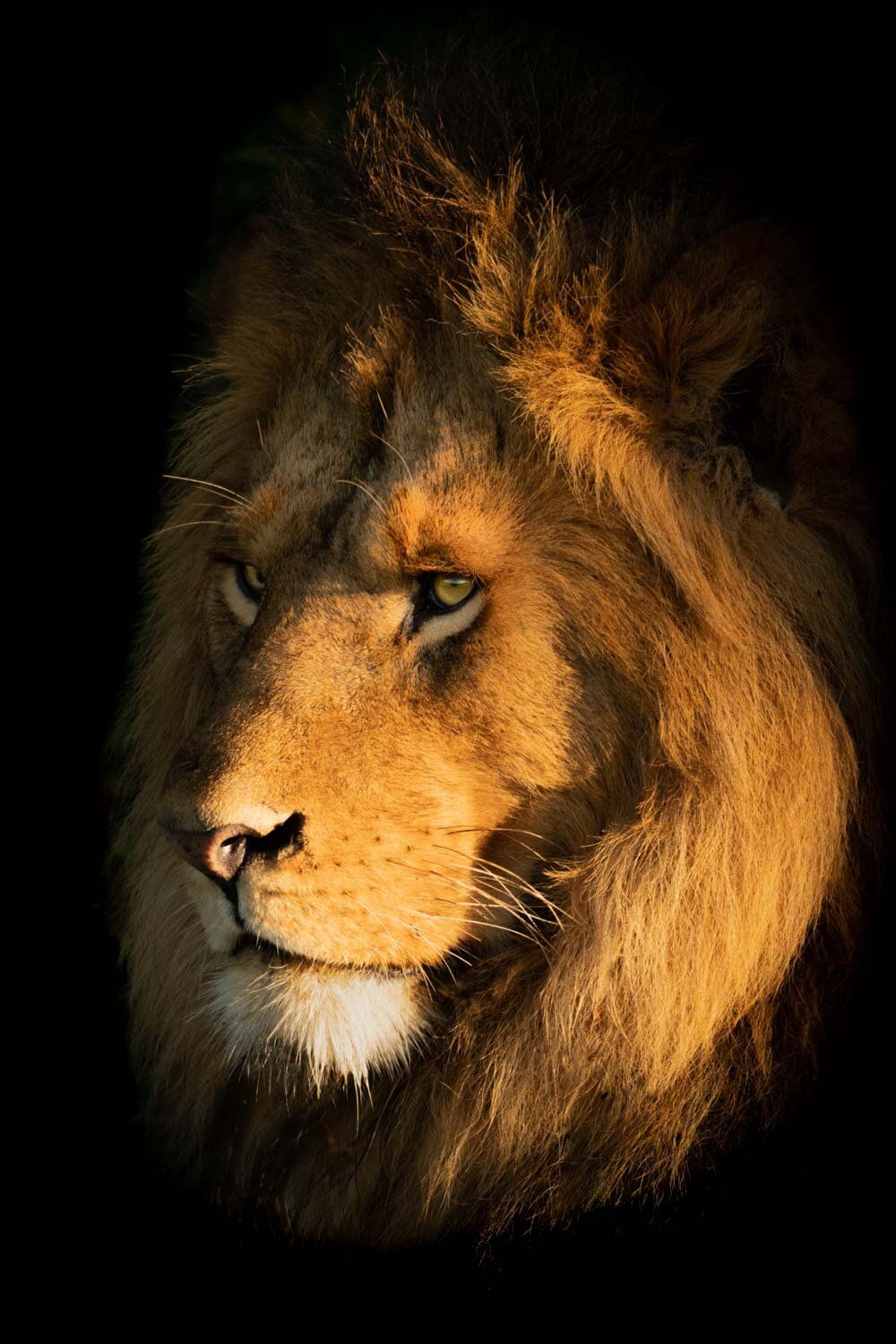
Extreme Photography
In the quest to help people improve their photography, I’ve written various blog posts, including one on the rules of composition and another on how to stand out from the herd.
Today, I’m going to try a different approach - what I call ‘extreme photography’.
Aperture Settings for Wildlife Photography
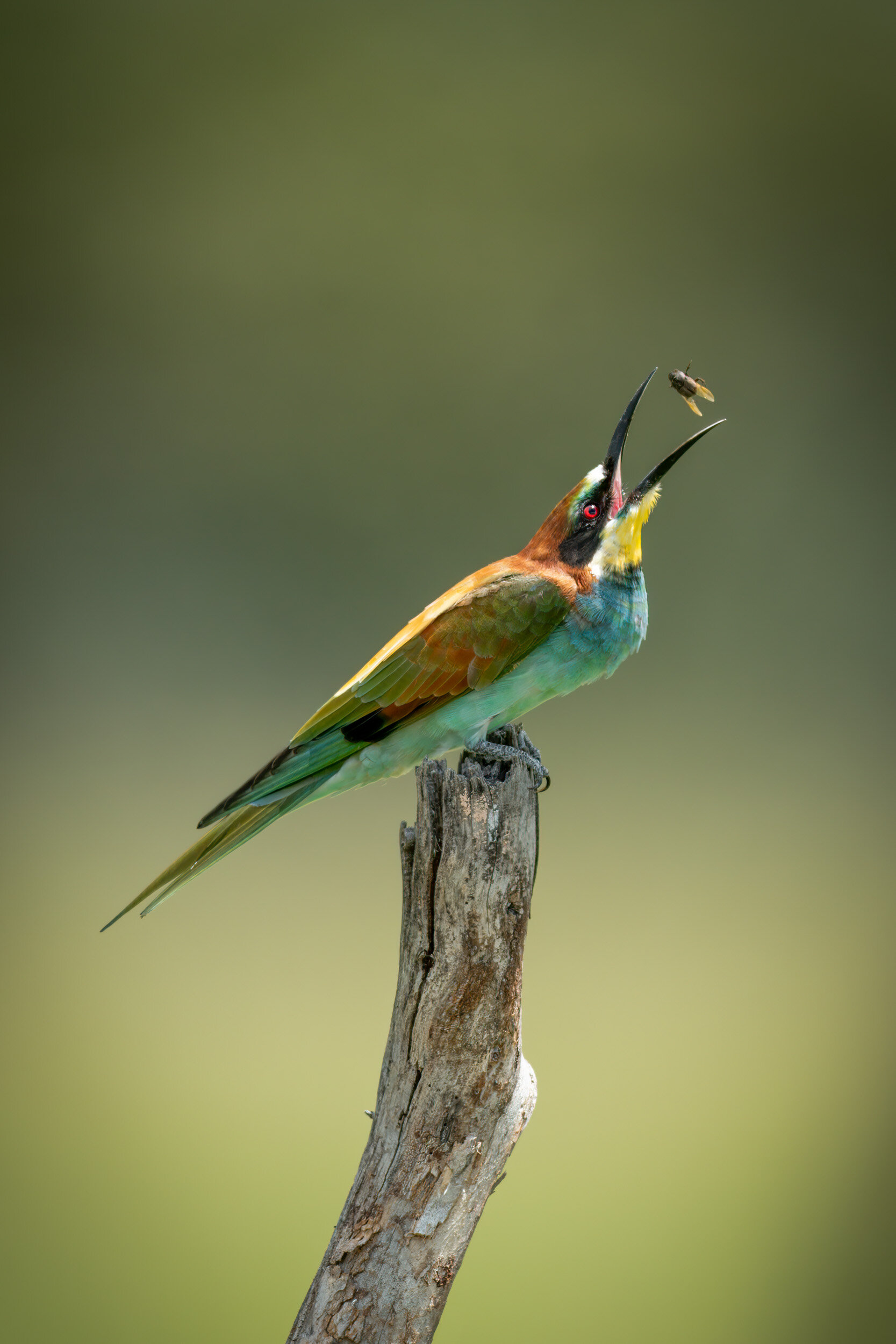
The aperture is simply the size of the hole in the lens through which light passes on its way to the sensor, and the principle is similar to that of the shutter speed.
The bigger the aperture, the more light reaches the sensor and therefore the brighter the image (all other things being equal). The smaller the aperture, the less light reaches the sensor and therefore the darker the image.
The Exposure Triangle
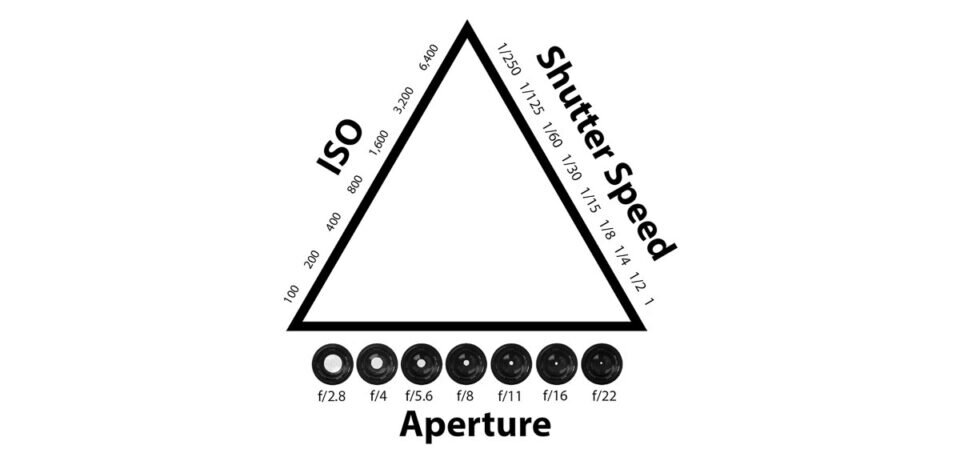
Let’s go back to basics! What is the Exposure Triangle? Why do you need to know about it? How can it help you?
In this article, I’ll answer all those questions - and more!