
Capture the Moment!
Since 2013, I’ve published hundreds of blog posts on all aspects of photography. Some are aimed at helping photographers with their technique, settings, and equipment, but others describe my exhibitions, workshops, and adventures in Africa, Antarctica and beyond.
Feel free to browse chronologically or click on the heading above any post for specific categories, such as Equipment, Trips or Hints and Tips.
If you’d like to write a guest post, I charge £50 + £10 per dofollow link. Please drop me a line on +44 7942 800921 or at nick@nickdalephotography.com.
(Please note that some posts contain affiliate links from which I can earn a small commission.)
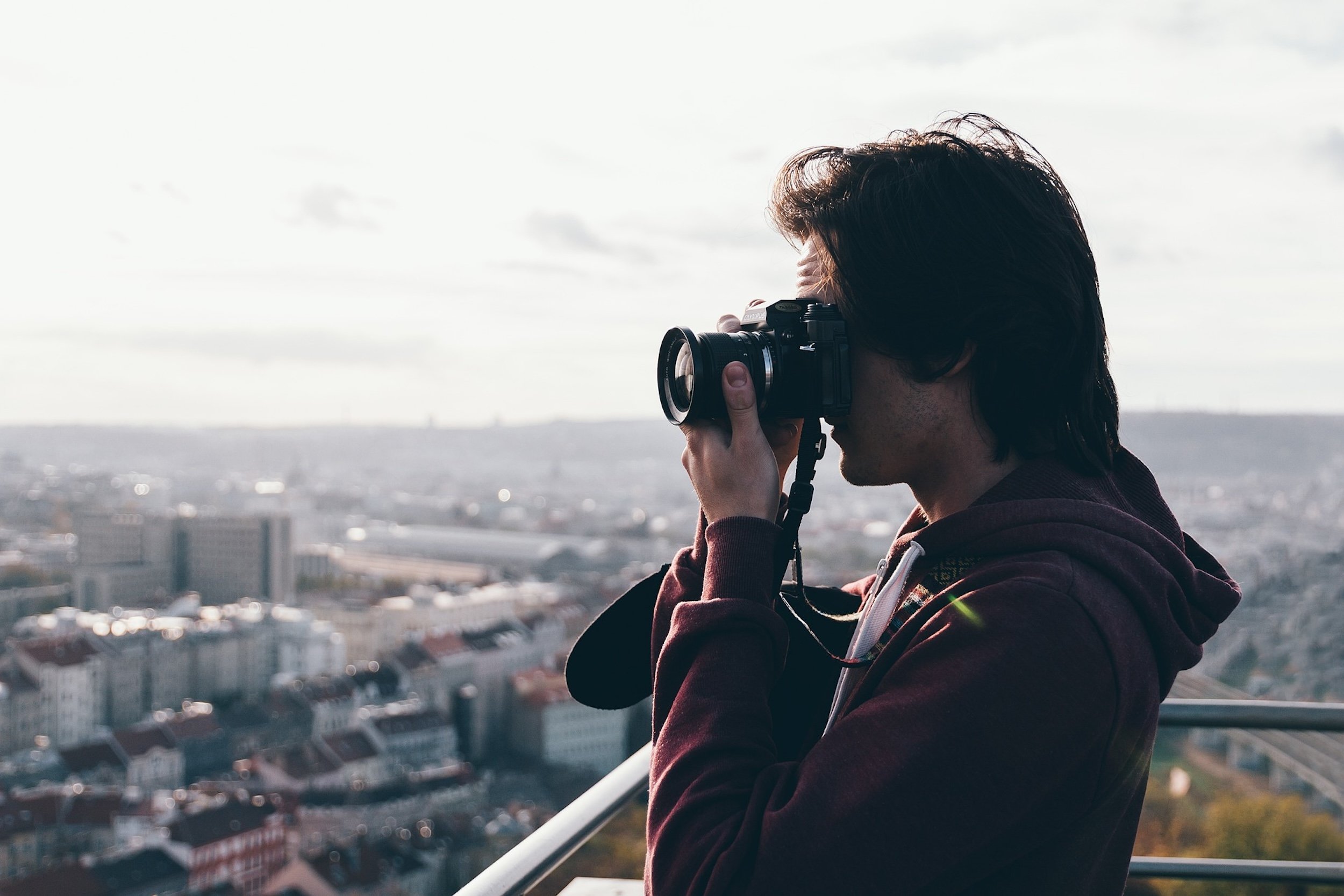
How College Students Can Turn Photography from a Hobby into a Side Hustle
Do you enjoy chasing the ideal light for that image, experimenting with angles, or catching events? If so, you're not alone! Many college students like photography as a creative release and a different prism to view the world. Have you ever considered, though, developing that enthusiasm into anything more? Imagine if your pastime might generate more income for you while still in college.
How to Become a Professional Wildlife Photographer
Are you sitting comfortably? Then I'll begin…
Once upon a time, a boy bought a camera and decided to become a professional photographer. He took hundreds of pictures and told his mum he wanted to go to the London College of Printing.
“Well,” she said, “you can always take it up later as a hobby…”
And that was that for 30 years!
2024: My New Year's Resolutions
I don’t normally make New Year’s resolutions, but I thought I should share some of the things I’d like to be able to do in 2024. Unfortunately, most of them are outside my control and rely on various businesses getting their act together, but here’s hoping…!
2023: From Grendel to Pumas
This is my last post of 2023, so I thought I'd write a quick review of the year.
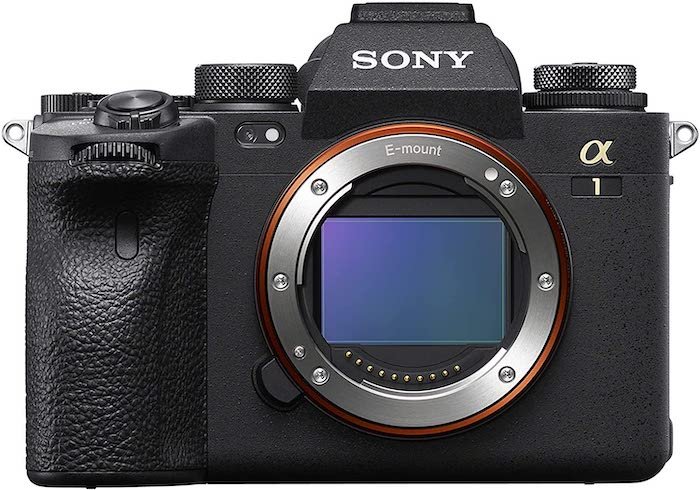
Mirrorless Head-to-head: Canon R3 v Nikon Z9 v Sony ⍺1
Now that mirrorless cameras are wiping the floor with DSLRs—at least at the professional end!—let’s take a look at the three main contenders for the best mirrorless wildlife camera on the market: the Canon R3 (unless you prefer the R5’s higher resolution!), Nikon Z9 and Sony a1.
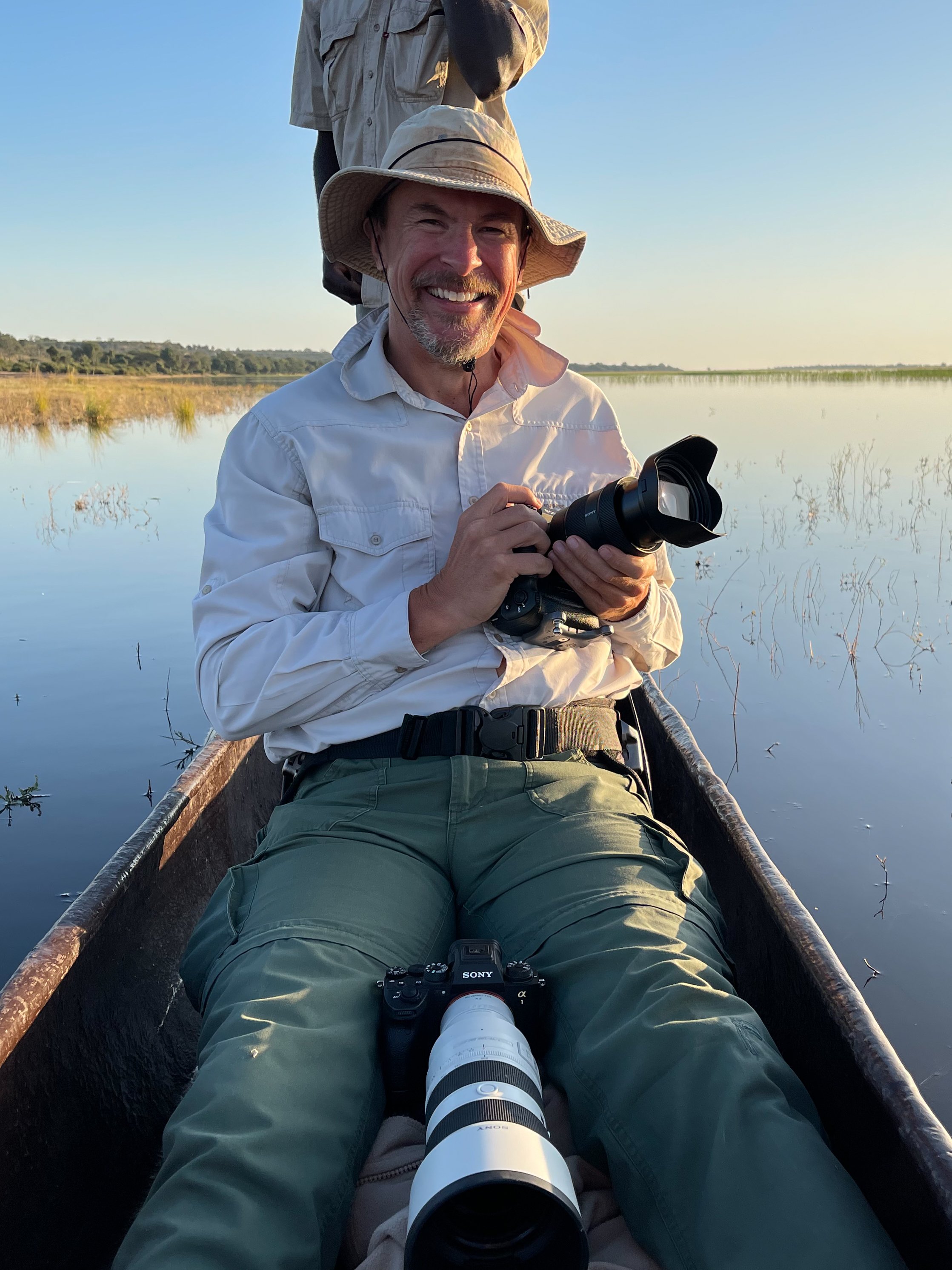
2022: I had a Lodge in Africa...
This is my last blog post of 2022, so I thought I'd give you a quick recap of what I got up to during the last 12 months.
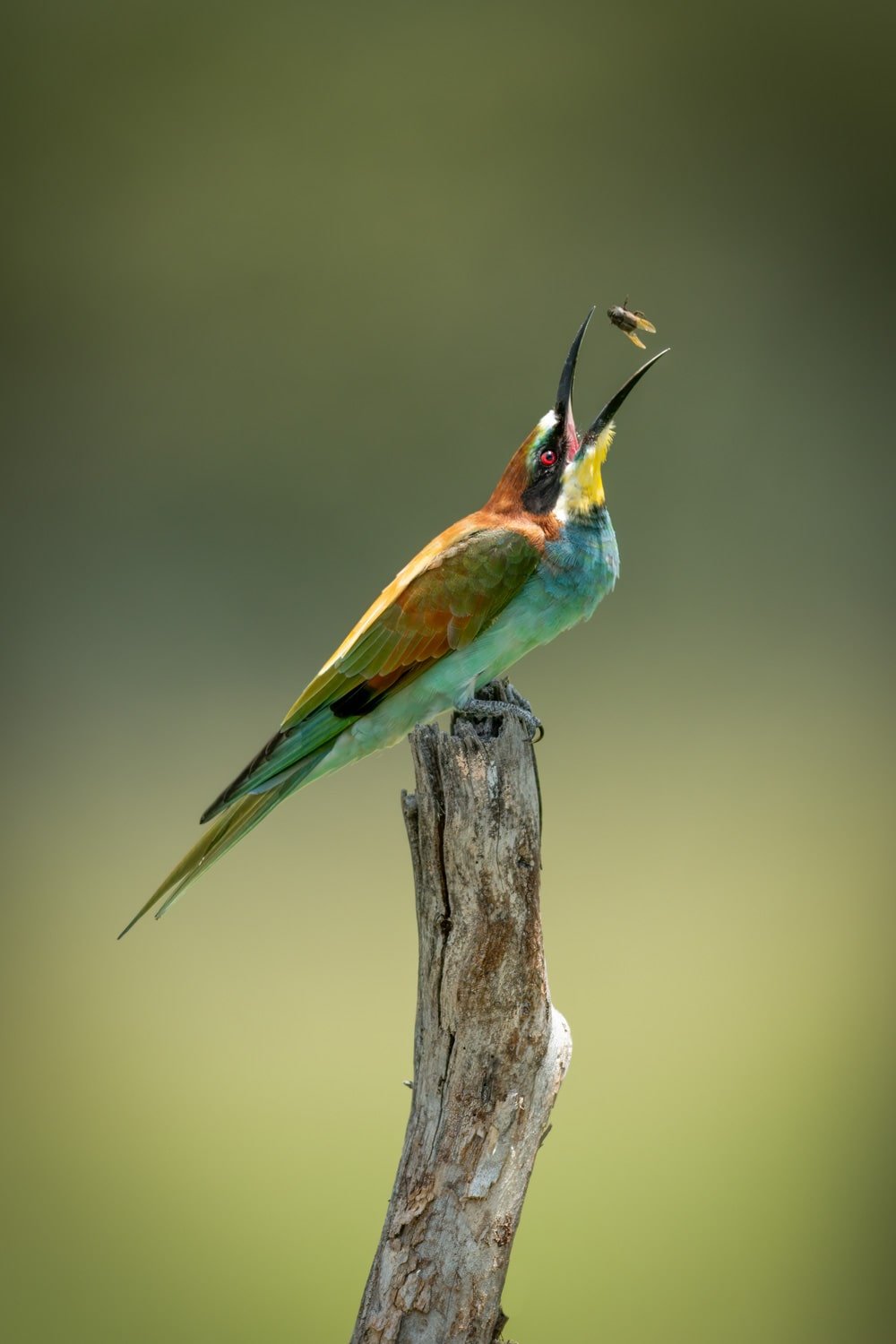
2021: The Great Escapes
Given the Covid pandemic, the year 2021 might’ve been a disaster. As it was, I managed to escape London to go on three photographic trips: to Kicheche Bush Camp, Arviat and Antarctica. They were all very enjoyable for different reasons, and it was also nice to get away from Africa for a change!
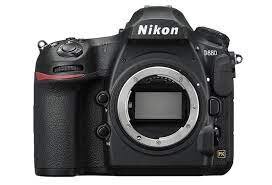
Nikon D880 or Nikon Z9?
I bet against England winning Euro 2020, and I won enough money to buy a new camera - but which one?
Up until recently, I just assumed it would be the latest DSLR in Nikon’s range, which is likely to be named the D880, but now I’m not so sure.
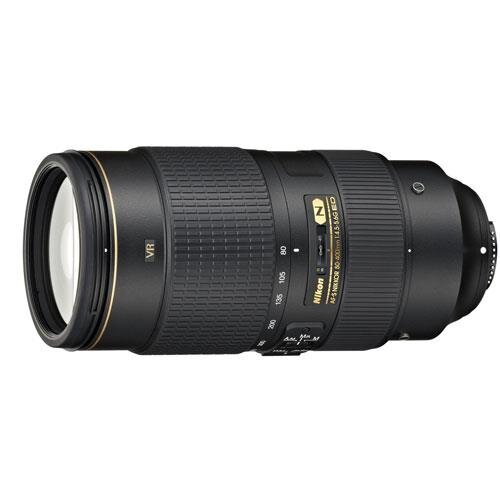
Lens Head-to-head: Canon v Nikon v Sony
This article considers mid-range zooms, lenses that I’d consider to be your ‘workhorse’.
For wildlife photography, I’d recommend getting a long lens that is at least 400mm, and these three are roughly equivalent, depending on whether you have a Canon, Nikon or Sony camera body.
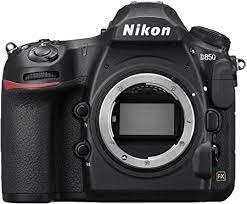
Camera Head-to-head: Canon v Nikon v Sony
Canon, Nikon and Sony are the three premier brands in photography equipment. I opted for Nikon, and I’ve been regretting it ever since!
No, not really, but I’m sick to death of the low frame rates. My D850 only manages 7 fps, and even with a battery pack it’s only 9 fps, which is pitiful compared to the 20 fps offered by the top-of-the-line Canon and Sony cameras.

Wildlife Photography
Wildlife photography is a money pit.
Cameras, lenses and accessories cost thousands of pounds, and most people can’t resist a piece of new kit even if they don’t need it, so a lot of it just ends up gathering dust in the basement!
However, the good news is you don’t really need that much.
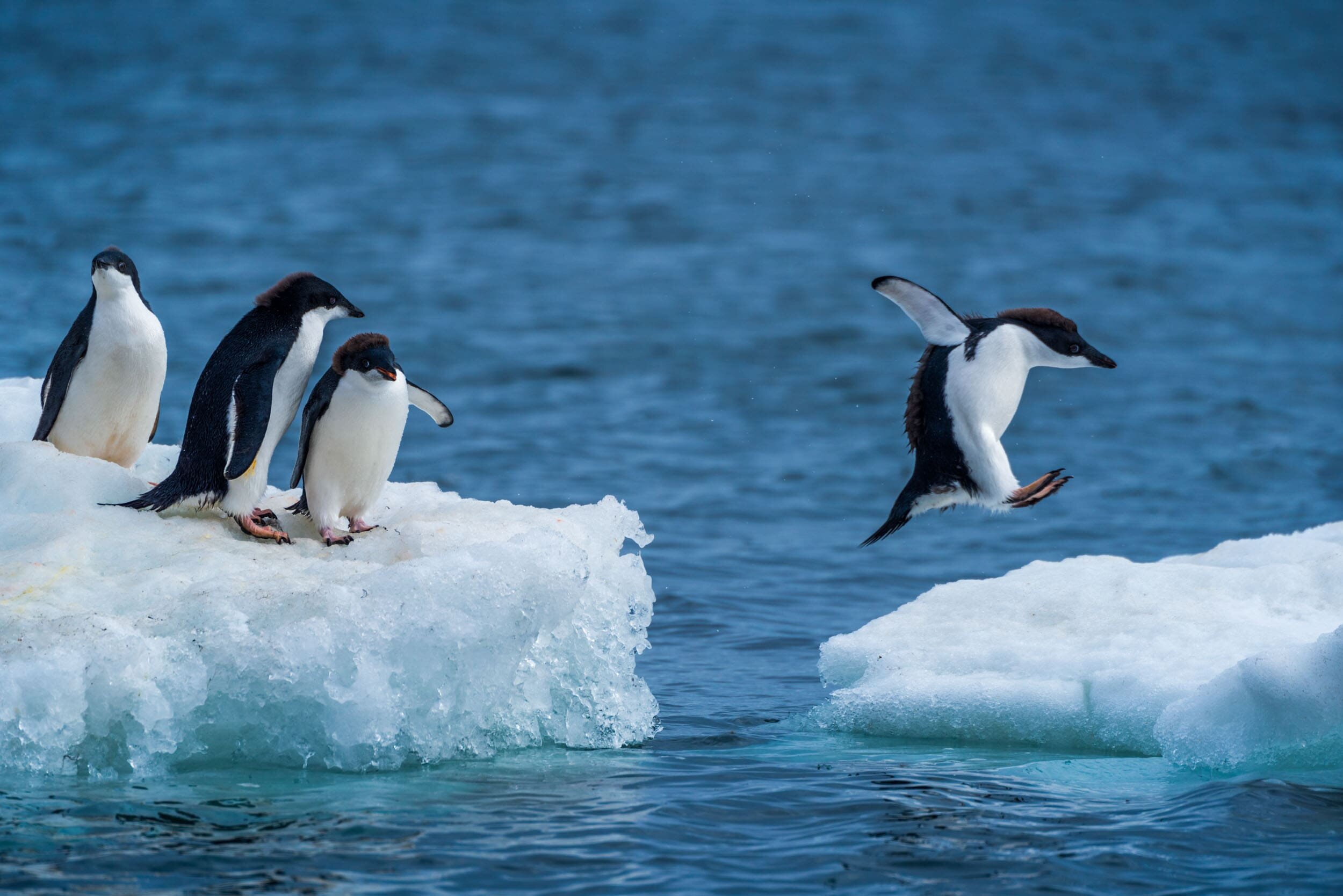
Top Sellers
Just a quick post today as I have to cycle to Wimbledon to watch the tennis!
Here are my top 20 images as measured by the number of downloads on stock photography sites since 2013.
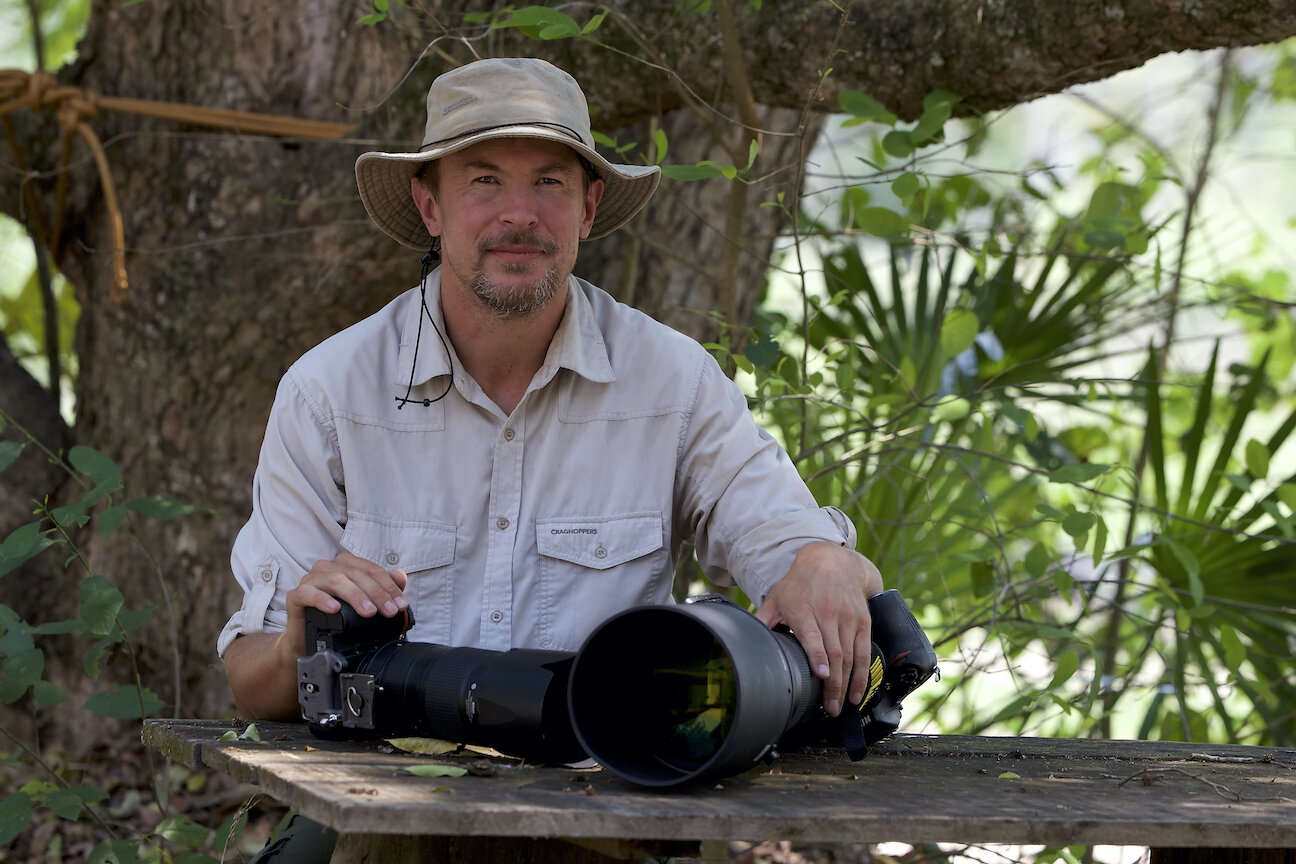
Wildlife Cameras and Lenses
When I bought my first DSLR camera and lenses, I asked a friend of mine which brand to get. He just said, “Canon or Nikon.”
As I didn’t want to buy my camera from a manufacturer of photocopiers, I ended up with Nikon…!
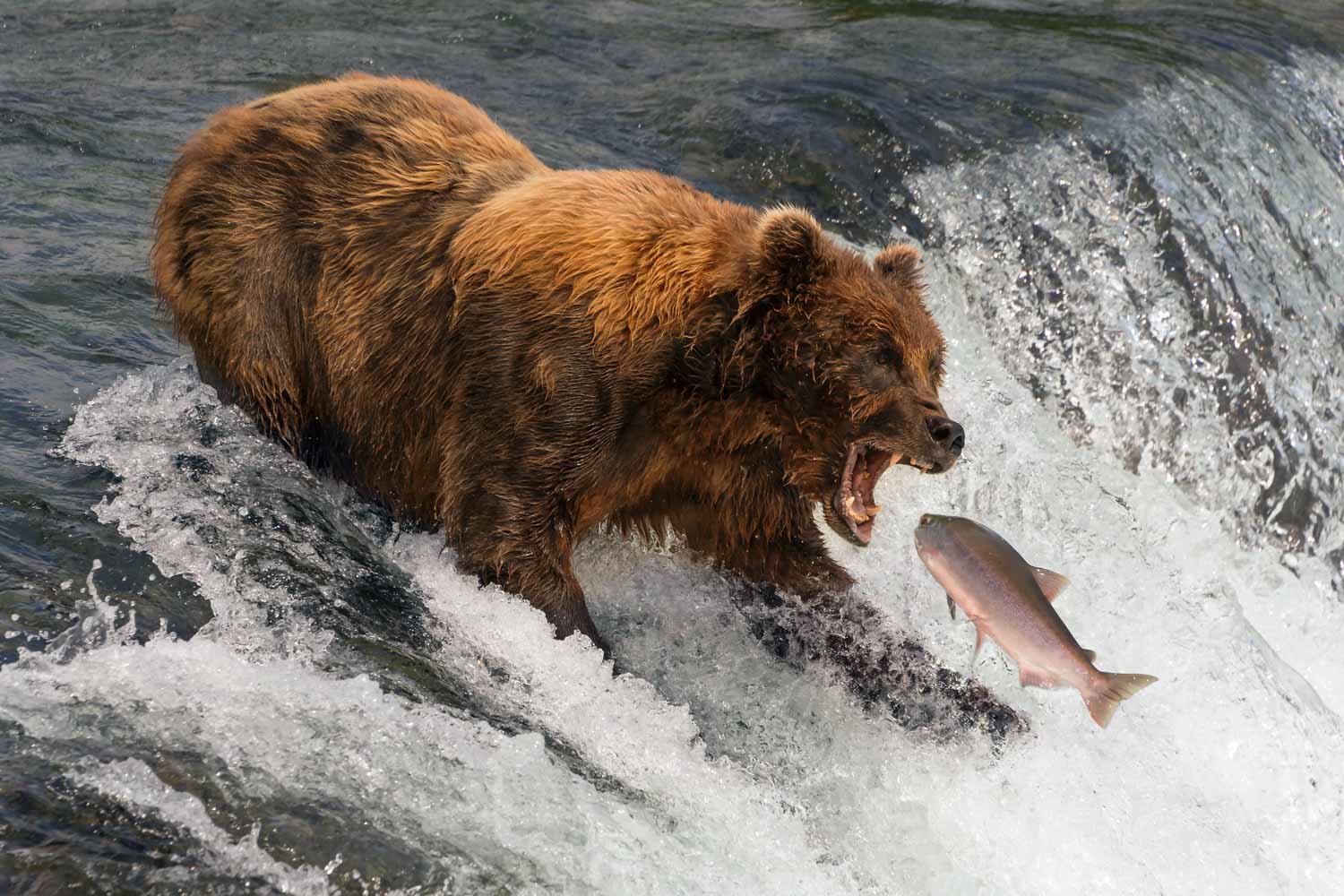
Anthony Morganti Photo Critique
Just a quick post today. Anthony Morganti has very kindly done a critique of my top 10 photos on YouTube if you’d like to take a look…
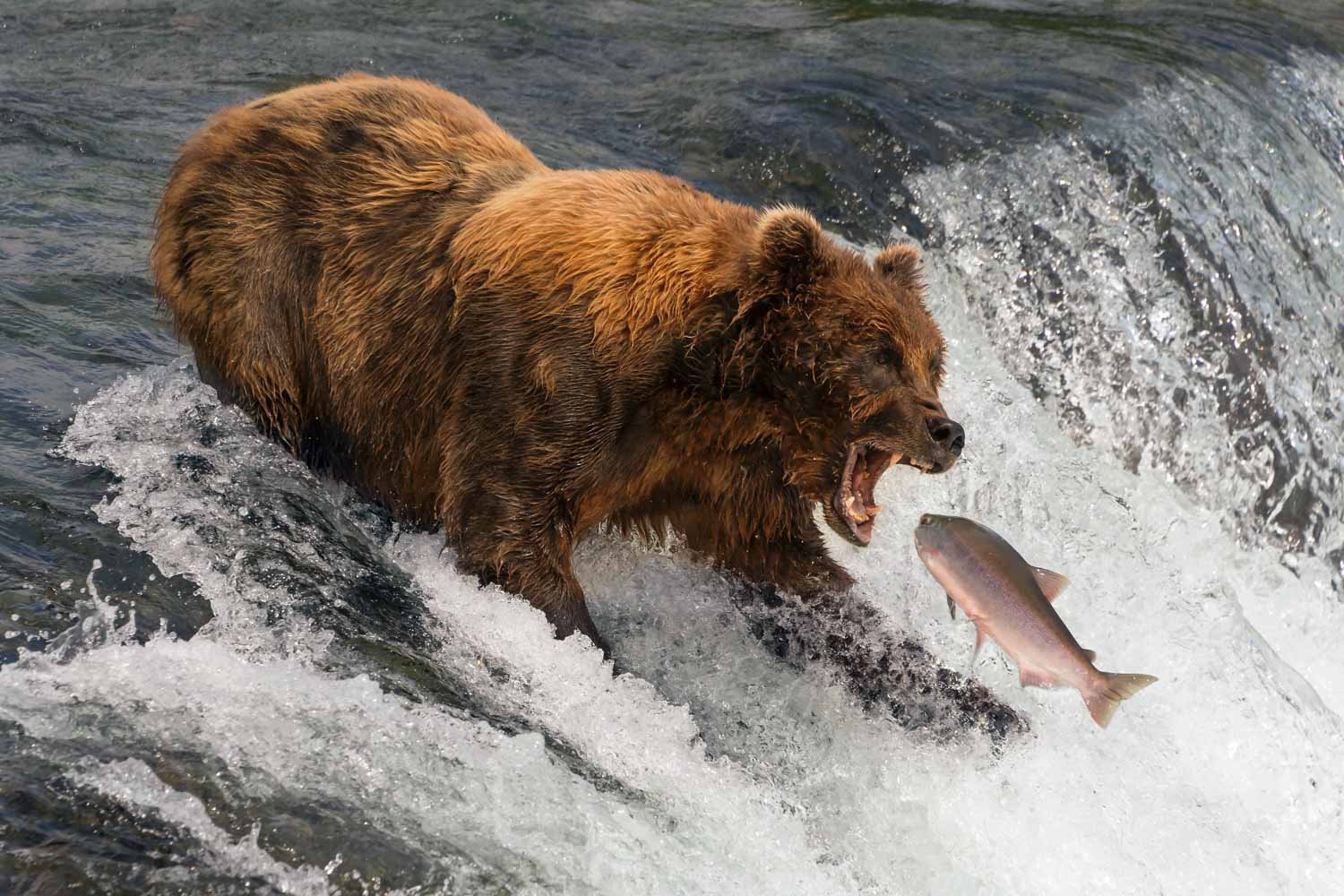
Every Picture Tells a Story: Bear Gills
I’m a wildlife photographer, and this is one in an occasional series of posts about my best photographs. I’ll tell you how I took them and break down the shot into the idea, the location, the equipment, the settings, the technique and any post-processing necessary.
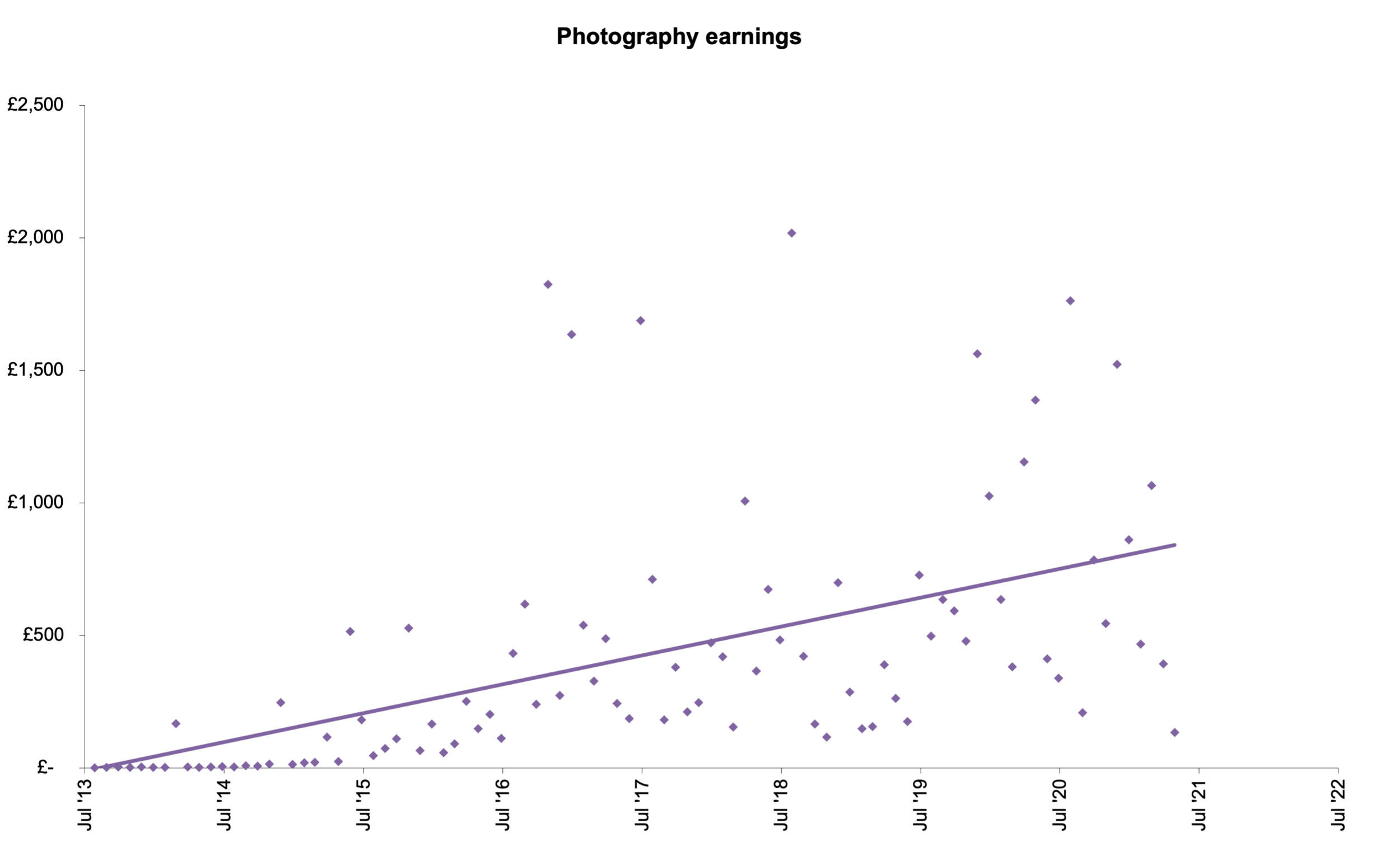
Photography Earnings
I’ve been working as a professional photographer since 2013, and I just thought I’d provide you with some insight into how I make money.
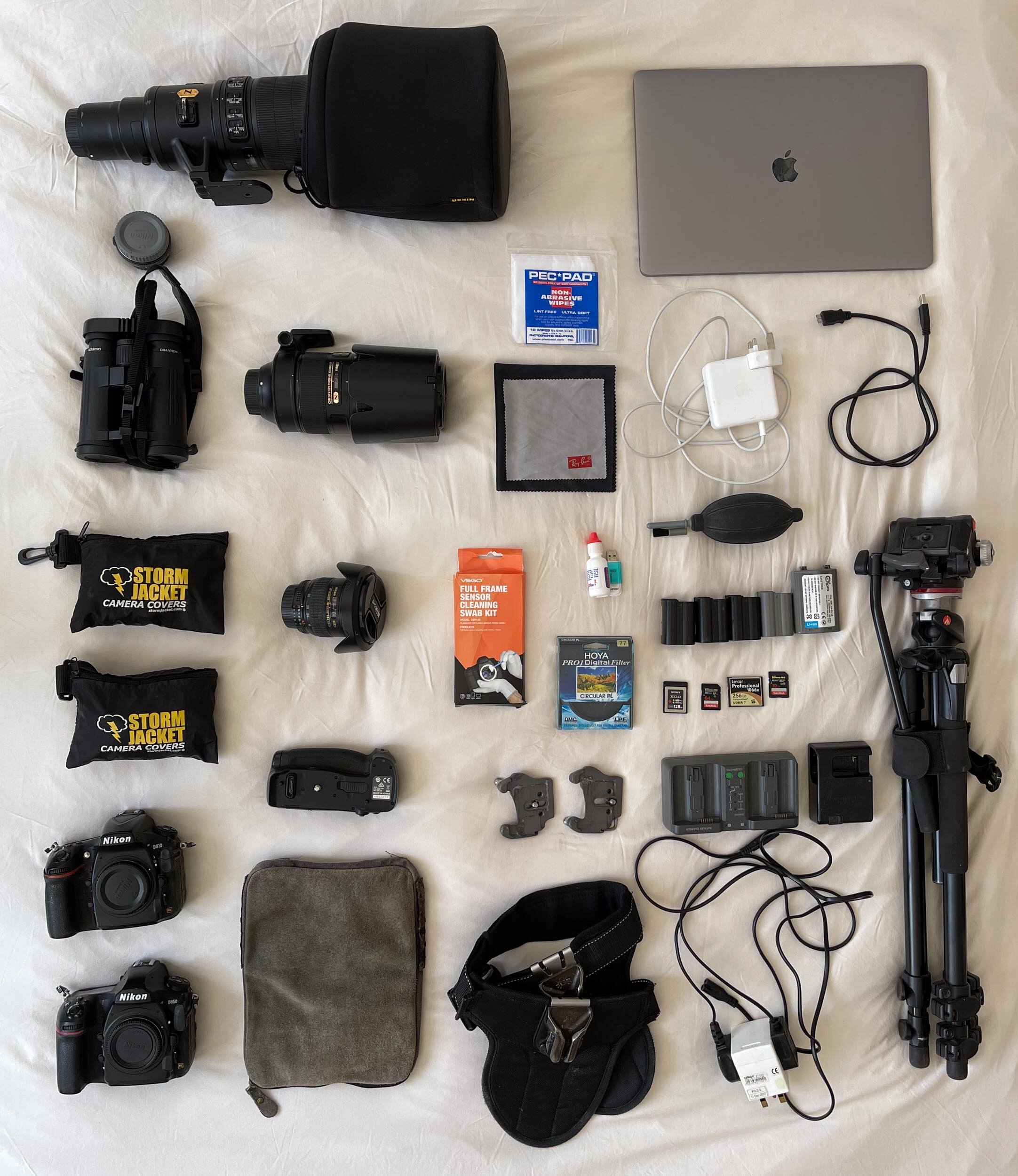
What I Have in my Camera Bag
I’ve taken pictures in 26 countries on all seven continents, but the only place I’ve visited regularly is Africa.
This list of what’s in my camera bag is therefore geared towards a safari trip, and it would obviously look a bit different if I was snorkelling in the Galápagos Islands or going white water rafting!
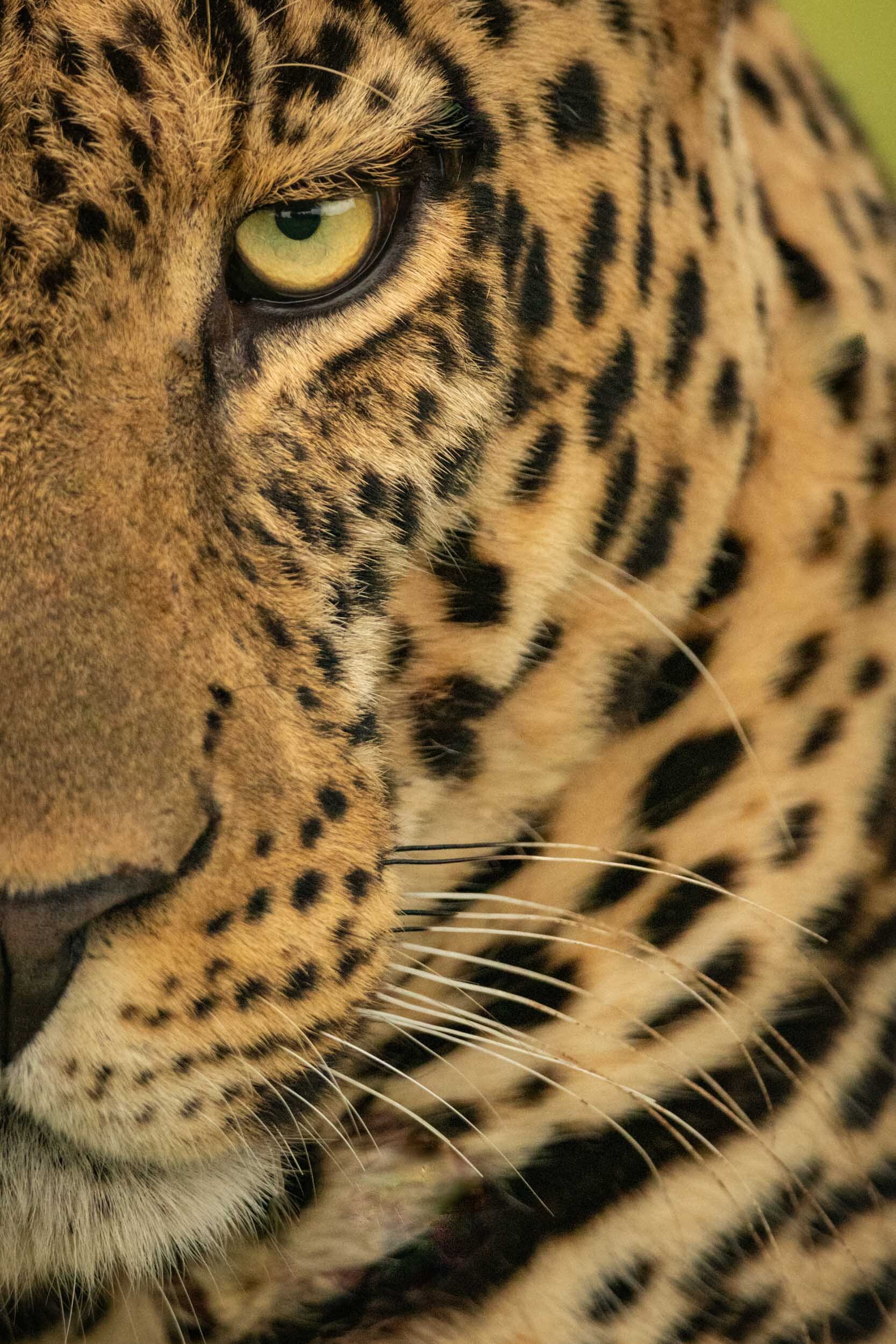
How to do Low Light Photography
Every problem is a fact plus a judgment.
Low light might be regarded as a ‘problem’, but it depends how you look at it.
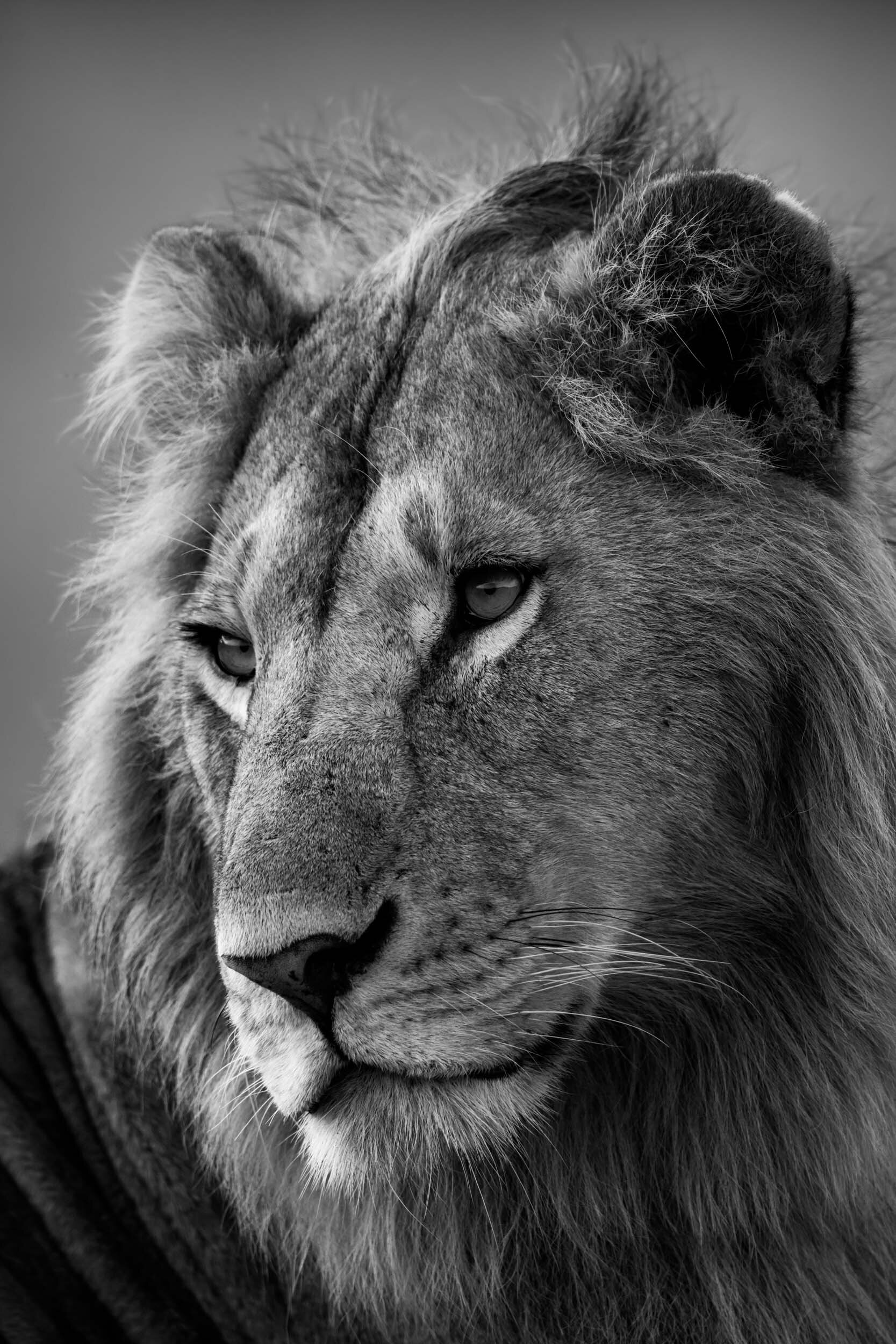
How to Improve Your Black and White Wildlife Photography
I don’t take any shots in black and white. And nor does anyone else, for that matter, because modern DSLR RAW files are always in colour. If you want to create black and white images, then you simply have to convert them in Lightroom.
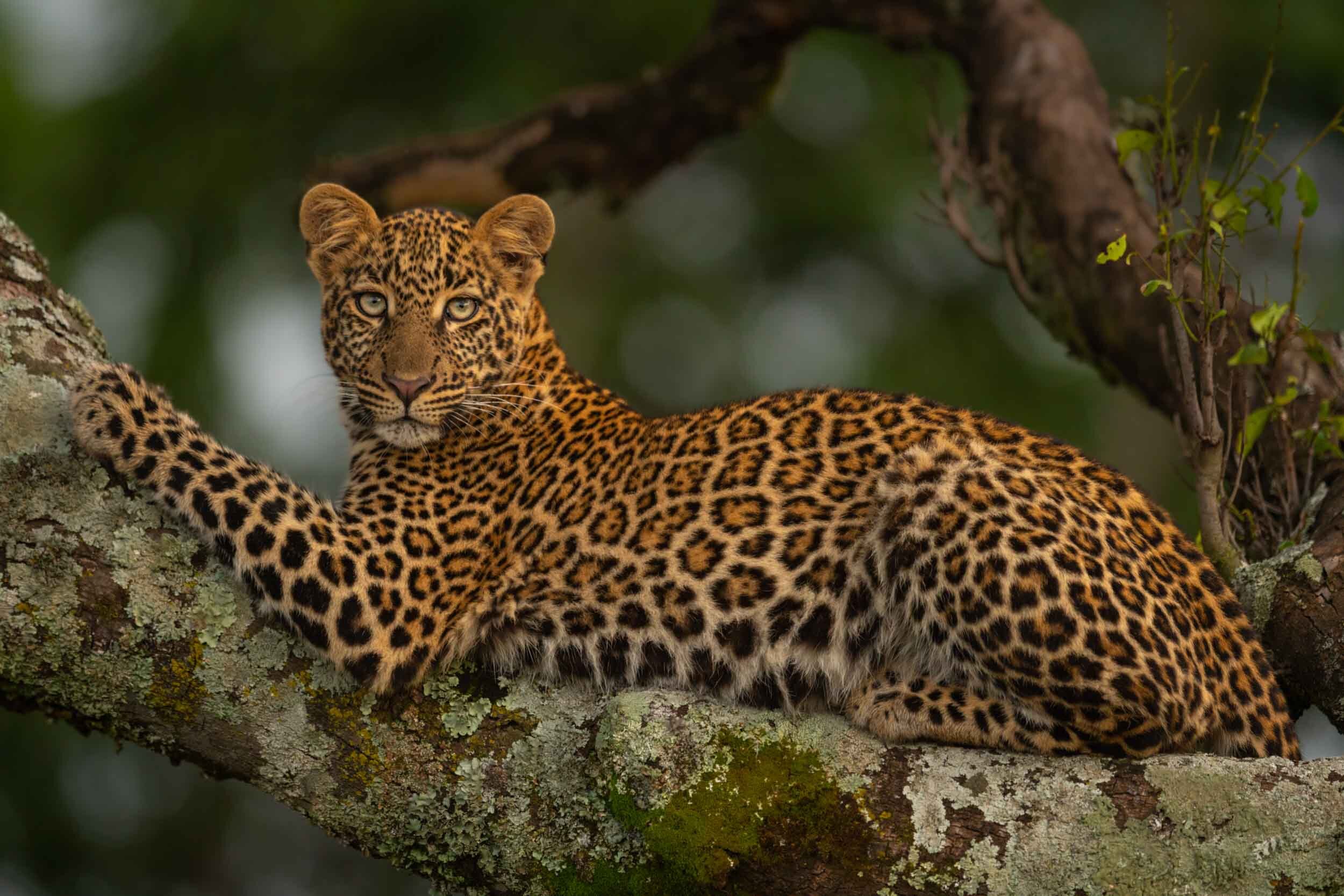
How to use Exposure Compensation
Whenever I teach people about exposure compensation, I always find myself using the example of a leopard in a tree: “The sky behind is bright, but the leopard is dark, so you have to use a stop or two of exposure compensation.”
The idea is to get the ‘right’ exposure for the subject when the camera is being ‘fooled’ by the bright background, but why does this happen?